In Western states, shifting climate patterns are beginning to overwhelm traditional wildfire prevention techniques. As hot and dry weather becomes increasingly common, researchers warn that the ability to manage forest fires is being lost because weather and climate conditions are overriding the effects of fuel management.
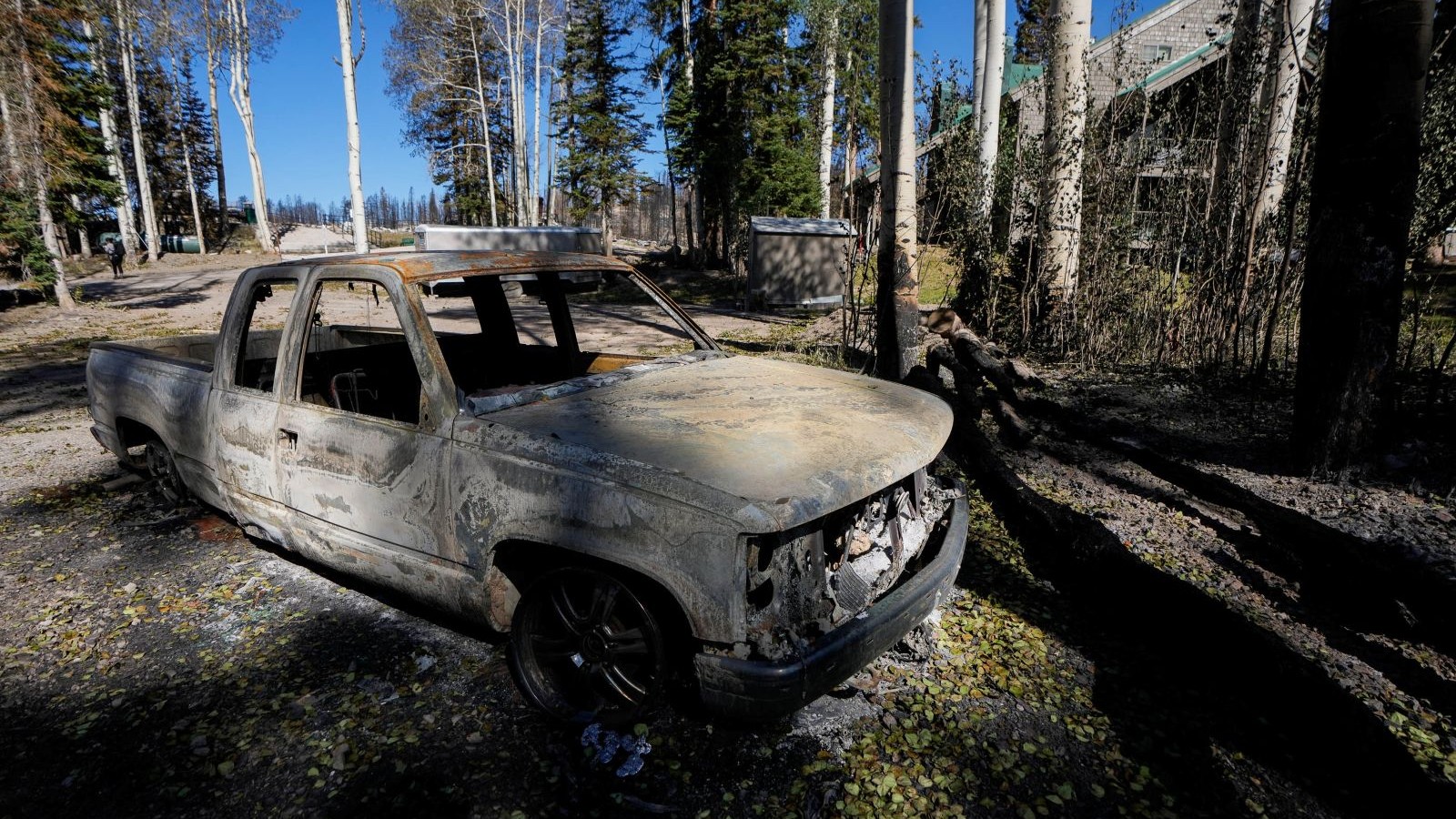
The Cottonwood Fire in Utah, which charred over 97,000 acres, serves as a recent example of these extreme events. The fire, which started on June 22, was reported as 95 percent contained as of late Thursday, according to Utah Fire Info. During a recent visit to the burn scar, officials from the Trump administration and members of Congress observed damage caused by both the flames and subsequent rain and flooding.
Lawmakers have suggested that a lack of forestry management contributed to the destruction. Representative Bruce Westerman, a Republican from Arkansas, stated to Salt Lake City’s FOX 13 News that thinning trees and using controlled burns to remove underbrush could prevent catastrophic fires by reducing available fuel. However, Dominik Kulakowski, a professor of geography at Clark University, noted that fast-moving fires can jump firebreaks and interstate highways, with embers traveling approximately a mile.
Larissa Yocom, a professor of fire ecology at Utah State University, noted that while current extreme wildfires may not be the new normal yet, traditional methods may struggle in extreme conditions. Yocom observed that in the most extreme weather, on-the-ground management factors can be overwhelmed.
Climate change has been a primary driver of wildfire risk in the West for the last two decades, according to the National Oceanic and Atmospheric Administration. Research published this month in the Proceedings of the National Academy of Sciences indicates that the severe snow drought affecting Utah and the Upper Colorado River Basin is 14 times more likely than it was at the start of the industrial period.
This environmental shift impacts forest regeneration. Kulakowski noted that extreme heat can sterilize soil, leading to fewer surviving trees and potentially resulting in ecosystem collapse or changes in forest composition, such as aspens replacing conifers.
In response to these challenges, a bipartisan group including Senator John Curtis of Utah and Senator John Hickenlooper of Colorado has sponsored the Fix Our Forests Act. The bill aims to create fireshed management areas to streamline fuel treatments in high-risk lands, though it has not yet received a full Senate vote.
Other experts in Utah argue that managing fuel remains beneficial. Bradley Washa, a professor of wildland resources at Utah State, noted that while current fuel treatment and defensible space concepts are designed for average fires rather than extreme events, small actions like clearing brush can still determine if a home survives a fire. Washa also pointed out that ecosystems in Utah have developed around fire, and current policies that aggressively suppress all fires may create an imbalance in the natural environment.