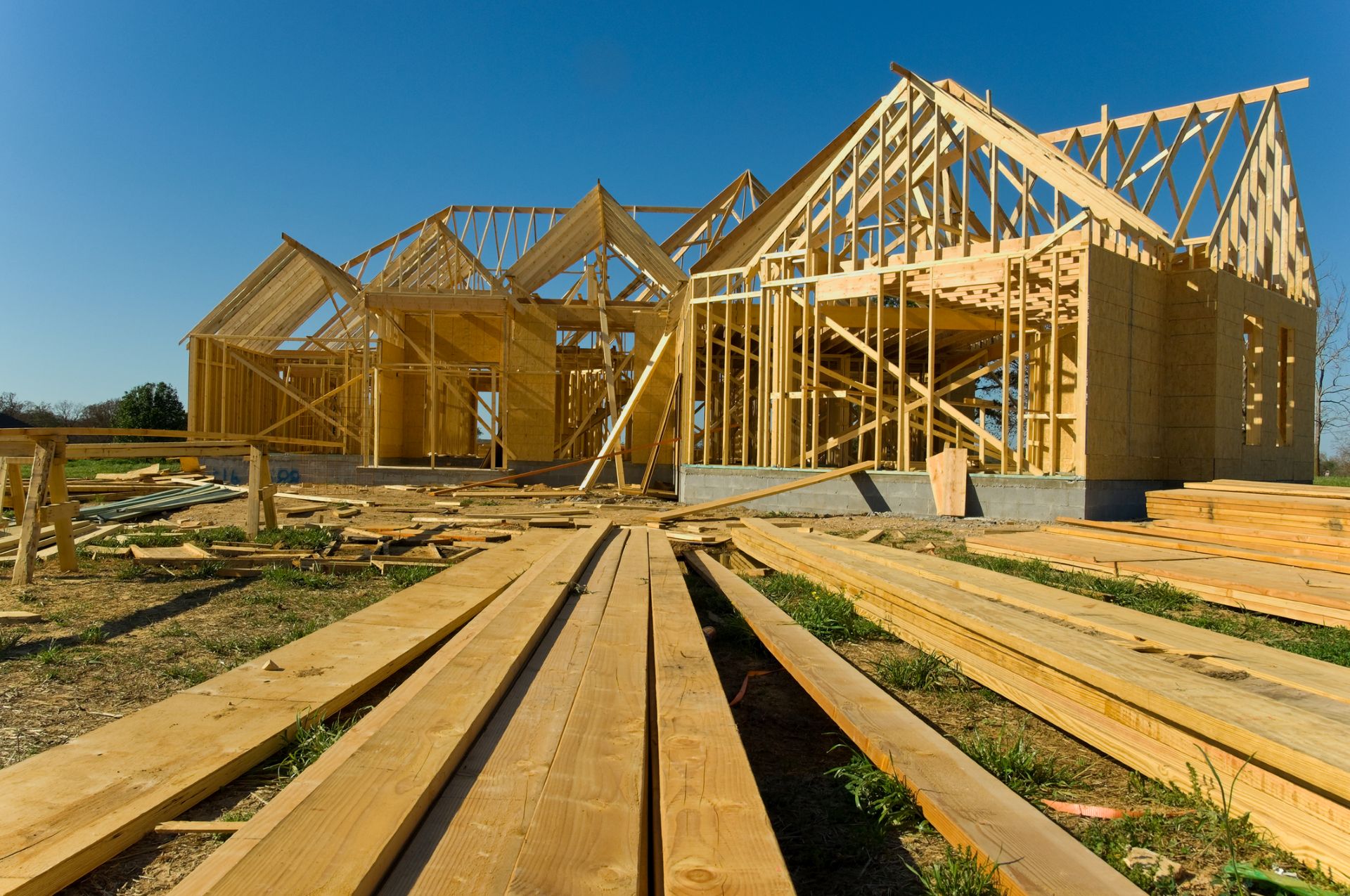
Utah is preparing for a major wave of homebuilding as Governor Spencer Cox pushes for the construction of 150,000 new homes, according to a report published August 30. While the volume of housing is a priority, climate advocates warn that the specific design and energy sources used in these homes will significantly impact long-term costs for buyers.
The non-profit Utah Clean Energy is advocating for new Utah housing to integrate energy efficiency with all-electric equipment and clean power sources like solar. To support this, the organization has released an online toolkit designed for both builders and buyers. The toolkit provides information on designing low-emission homes and explains the financial tradeoffs between choosing electric appliances and HVAC systems versus fossil-fuel equipment.
Kevin Emerson of Utah Clean Energy stated that efficient, climate-friendly homes result in very low utility bills. He noted that while the toolkit addresses incremental construction costs and rapid payback, the overall approach makes these homes economical for buyers by explaining the financial considerations involved.
The push for all-electric construction aims to help homeowners avoid the high costs associated with later retrofitting gas-powered systems like furnaces, water heaters, or stoves. In a fast-growing state, building choices regarding insulation and fuel sources can dictate monthly energy bills and pollution levels for many years.
Utah Clean Energy is utilizing an educational strategy to increase buyer demand for efficient construction. The toolkit is also intended to provide specific direction for contractors who wish to adopt these building methods, as shifting industry standards often relies on a combination of builder confidence and consumer demand.