The Bureau of Land Management is overseeing significant developments in Utah, including a decade-long partnership to return looted Indigenous artifacts and a new proposal to redesignate off-highway vehicle routes in the San Rafael Swell.
The Natural History Museum of Utah and the Bureau of Land Management (BLM) have received the Society for American Archaeology Award for their work on the 'Cerberus Project.' According to KSL, the partnership focused on recovering, preserving, and returning more than 100,000 Indigenous cultural items that were illegally taken from public land, Tribal land, and burial sites.
The recovery effort followed a federal undercover operation. After the objects were retrieved, the BLM partnered with the museum to inventory and research the collection to determine whether items should be sent to Tribal nations or other appropriate repositories. The collection includes organic materials such as baskets, sandals, and stone tools.
Lisbeth Louderback, the curator of archaeology at the Natural History Museum of Utah, said the award recognizes the effort to right wrongs following a tragic looting case. Annie Lawlor, of the museum's anthropology collections, noted that the process of unpacking and preparing items for travel requires immense time and accuracy to ensure the work is done correctly.
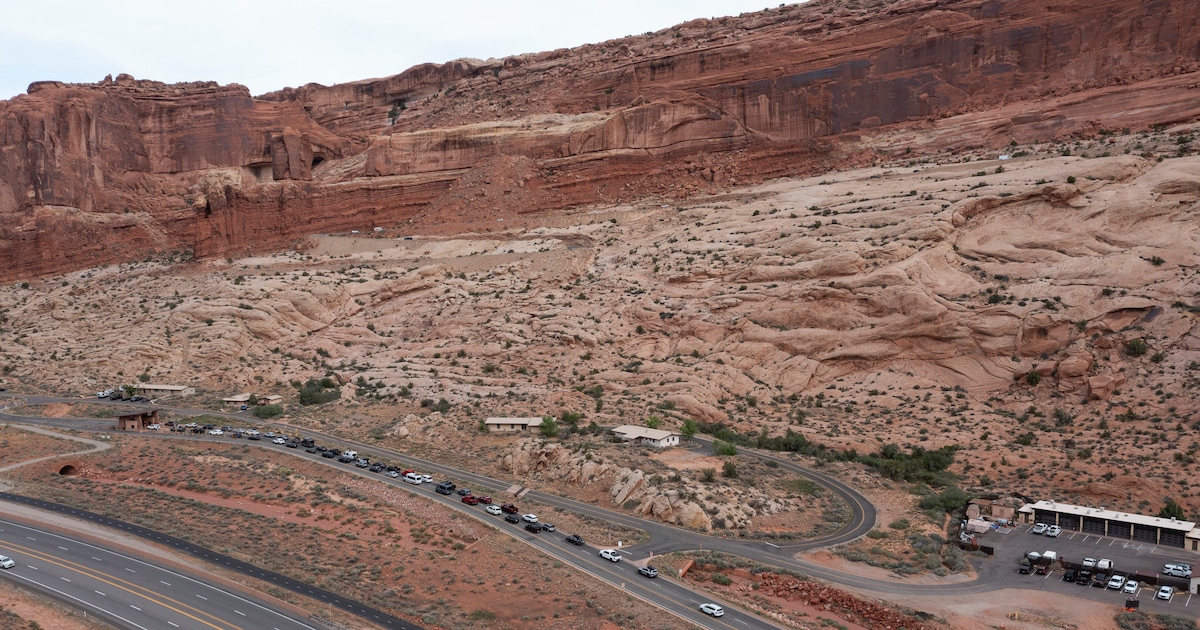
Simultaneously, the BLM is seeking public feedback on proposed changes to off-highway vehicle (OHV) route designations in central Utah. As Moab Times reported, the agency is considering whether certain routes currently closed to motorized travel should be reopened or redesignated for limited use within the San Rafael Swell and San Rafael Desert travel management plans.
The BLM's Price Field Office is reviewing approximately 226 miles of routes within the San Rafael Swell plan and about 20 miles within the San Rafael Desert plan. The agency stated that existing designations will remain in effect during this review process. Public comments on these changes are being accepted through June 8.