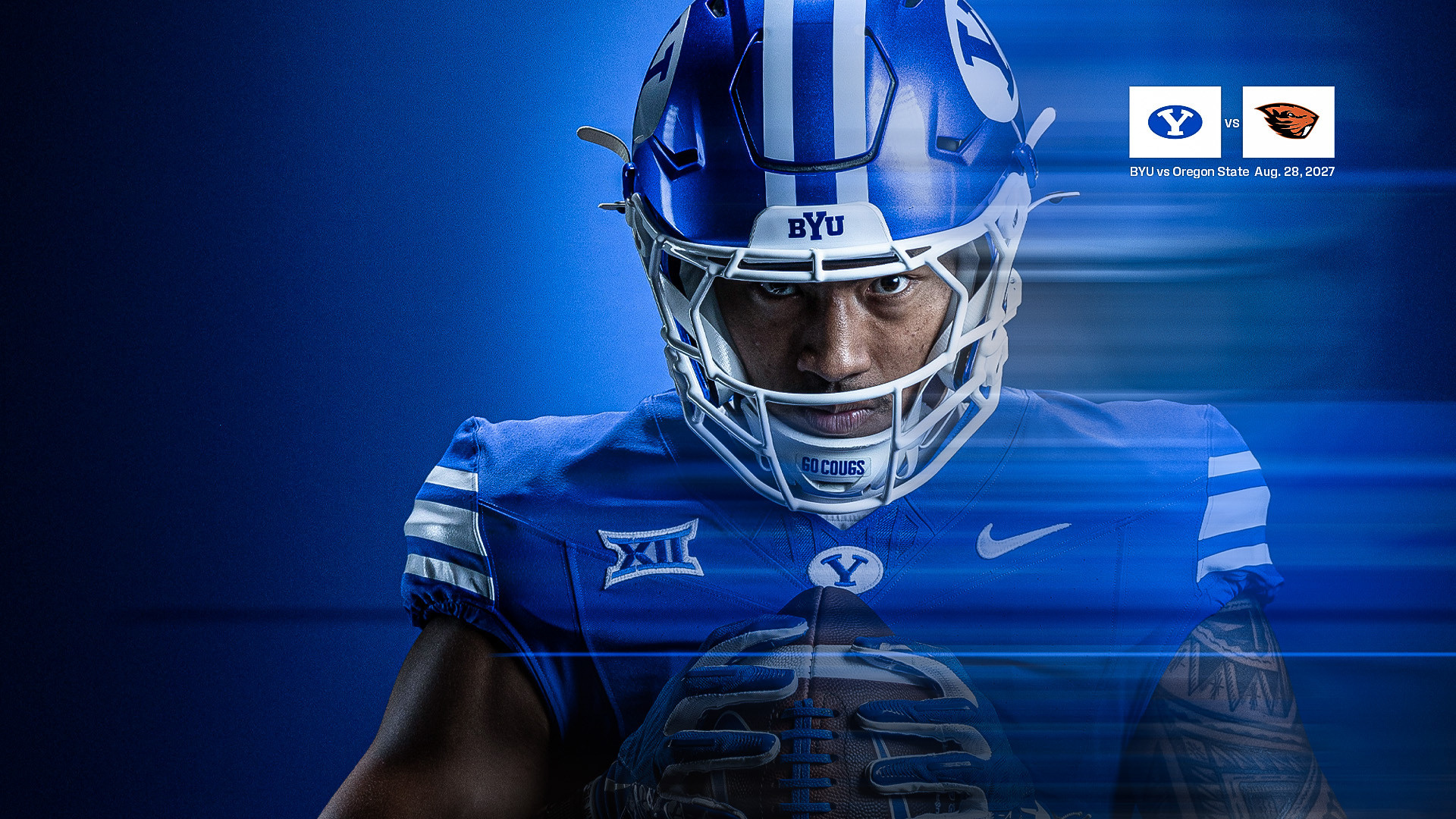
BYU head coach Kalani Sitake enters his 11th season at the helm of the Cougars following a dominant 2025 campaign that saw the program achieve a 12-2 record and a Pop-Tarts Bowl victory over No. 22 Georgia Tech. The team's recent success, which included a No. 11 national ranking, mirrors the historic dominance of the program's 1984 national championship era.
Sitake's Era of Dominance
Sitake's recent two-year run has been one of the most successful in the program's history. During the 2024 and 2025 seasons, the Cougars achieved a combined 23-4 record, a stretch only surpassed by LaVell Edwards' 1983-84 and 1984-85 seasons, a period that included the program's sole national championship in 1984.
The 2025 squad set several program milestones, including five victories against teams with nine or more wins and 10 wins against Power 4 opponents. The offense and defense also reached high efficiency marks, with the offense averaging 31.4 points per game and the defense allowing only 19.1 points per game. This "30/20 combo" has occurred only 14 times in the 101-season history of BYU football.
The Legacy of LaVell Edwards
The current era of success follows a long history of excellence, including the legendary tenure of Hall of Fame head coach LaVell Edwards. Edwards coached the Cougars for 29 seasons from 1972 to 2000, amassing 257 victories and leading the team to the 1984 National Championship.
During his tenure, Edwards transformed BYU into a national power, winning 19 conference titles and participating in 22 bowl games. He was inducted into the College Football Hall of Fame in 2004 and was named the National Coach of the Year in 1984. His impact is memorialized at the university through LaVell Edwards Stadium, which was renamed in his honor prior to the final home game of the 2000 season.
Hall of Fame Excellence
The program's storied history includes several notable individual achievements. Ty Detmer, the university's only Heisman Trophy winner, was inducted into the College Football Hall of Fame in 2012. Detmer recorded 15,031 career passing yards and 121 touchdowns, setting 59 NCAA records during his tenure.
Other Hall of Fame inductees include Gordon Hudson, the first non-quarterback to represent BYU in the Hall of Fame, and Steve Young, who set 13 NCAA records during his career and went on to win three Super Bowl titles with the San Francisco 49ers. The program has produced a wealth of talent, including 31 All-Americans and six College Football Hall of Famers.
A Century of History
The Cougars' historical rise was marked by the 1984 season, when they were named No. 1 by the Associated Press and other major outlets. That season featured a 24-17 victory over Michigan in the Holiday Bowl.
The program's roots date back to Oct. 7, 1922, when BYU played its inaugural intercollegiate athletic football game at Timpanogos Park in Provo. While the program has faced interruptions, such as the three seasons it did not field a team during World War II, it has remained a cornerstone of the university's athletic identity.
Big 12 Competition
As BYU continues its membership in the Big 12 Conference, the program remains focused on high-level competition. The 2026 Big 12 Football Media Days, held in July at the Ford Center at the Star in Frisco, Texas, highlighted the growing landscape of the conference.
Sitake, who was named the 2025 Big 12 Chuck Neinas Coach of the Year, continues to lead the Cougars through this competitive era. He is the first former player under LaVell Edwards to be named head coach at BYU and is the first FBS head coach of Tongan descent.
Looking Ahead
With the 2026 season underway, the Cougars aim to sustain the momentum of their 2025 campaign. The program continues to honor its past while pursuing new milestones in the Big 12, building on a century of football tradition that began in 1922.