Environmental groups and residents are challenging a proposed wastewater discharge permit for a massive industrial development in Tooele County, arguing the plan to dump concentrated brine into the Great Salt Lake ecosystem violates a recent executive order by Governor Spencer Cox to protect the state's water resources.
The dispute centers on a permit application by the Tooele Valley Public Infrastructure District (TVPID) to operate a reverse osmosis water treatment plant. According to Utah Physicians for a Healthy Environment, the facility would discharge up to 252,000 gallons of concentrated industrial brine daily into a channel that feeds Class 5E wetlands and Gilbert Bay. This discharge would occur without an established water quality baseline and with no enforceable limits on pollutants such as chloride, sodium, or arsenic.
This permit is considered a required precondition for the Interstate Business Park development, a 200-acre campus that includes a data center, a 500-megawatt gas plant, and a truck stop and hotel complex. The project is supported by an estimated $234 million in public financing through the Utah Inland Port Authority (UIPA), a state authority created by the Utah Legislature.
The proposed development sits near highly sensitive ecological sites. The TVPID facility is located approximately 1.6 miles from Class 5E Great Salt Lake transitional wetlands at the intersection of Burmester Road and Interstate 80. Advocates have expressed concern that the discharge will impact the habitat of the Wilson's phalarope, a shorebird species with a pending positive Endangered Species Act finding.
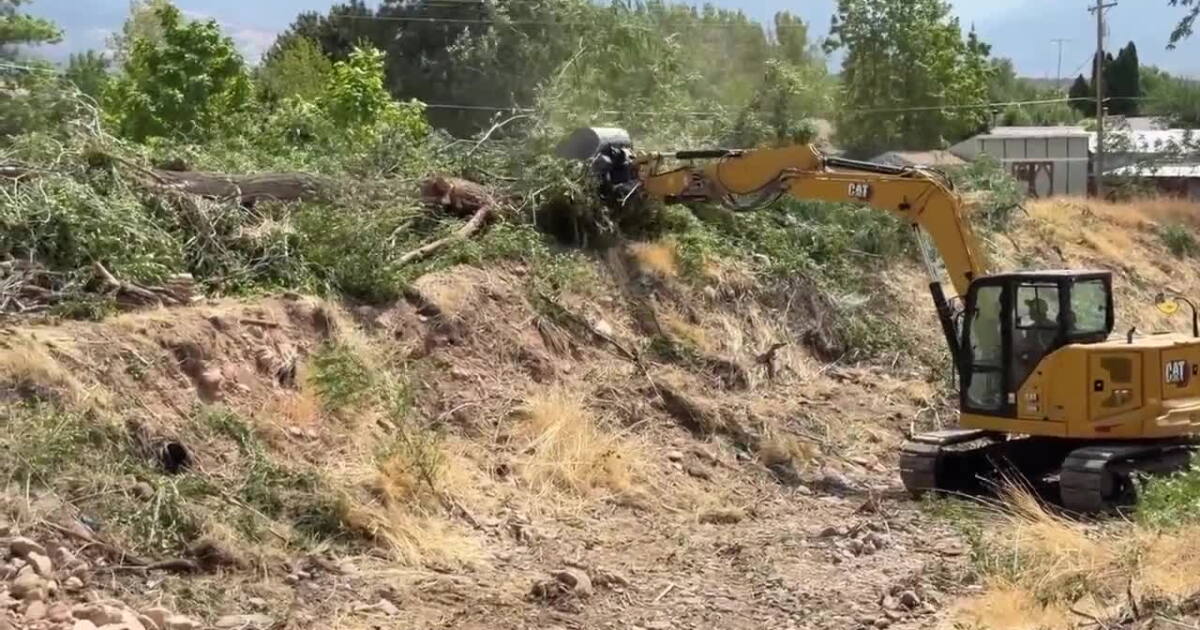
Construction on the industrial site is already underway. The Tooele Valley Project Area, which totals 584 acres, has been connected to the region via Burmester Road and Interstate 80 to facilitate industrial growth. While the UIPA has stated its position focuses on transparent growth and natural resource protection, environmental groups argue the scale of the development poses a significant threat to the water-stressed basin.
The controversy follows a May 29, 2026, executive order signed by Governor Spencer Cox, which established a higher bar for data center development in Utah. In that order, the governor stated that Utahns have expressed legitimate concerns regarding the impacts of large data centers on water resources, air quality, utility rates, and local communities.
The executive order requires state agencies to adhere to a framework designed to protect the Great Salt Lake by ensuring water consumption does not increase and water quality is maintained. It also mandates the mitigation of wildlife impacts and the protection of airsheds. Utah Physicians for a Healthy Environment argued during a July 27, 2026, public hearing that the proposed permit fails to meet these mandates, calling the order's implementation in this case 'hollow and meaningless.'
The scale of data center expansion in Utah is a growing concern for environmental advocates. Utah Physicians for a Healthy Environment noted that while one permit may seem isolated, there are approximately two dozen other data centers in various stages of the approval process across the state. They described the cumulative effect as 'death by a thousand cuts' to the state's natural resources.
Critics also point to the hydrological connections within the region. While developers may claim they will add water to the lake, advocates argue the water sources used for these facilities are likely hydrologically connected to the Great Salt Lake, which is part of a closed basin already declared over-appropriated in 1996. The basin is already struggling to support nearby towns and the existing ecosystem.
The Tooele Valley Project Area has been in development for several years. The Tooele County Council formally passed a resolution on April 11, 2023, consenting to the establishment of a UIPA Project Area within the county. The development leverages the adjacency to rail lines and Interstate 80 to drive industrial growth in northern Tooele County.
According to the Utah Department of Environmental Quality, public participation is a prerequisite for challenging permitting decisions. The Division of Water Quality held a public hearing on July 27, 2026, regarding the permit in question, following requests from environmental partners including the Utah Sierra Club, Great Salt Lake Audubon, and the Center for Biological Diversity.
The TVPID aims for the water treatment plant to begin discharging by January 15, 2027, with full operations expected by March 15, 2027. The project continues to face scrutiny as the state balances industrial expansion with the environmental limitations of living in a desert geographic bowl that is prone to trapping air pollution and facing critical water shortages.