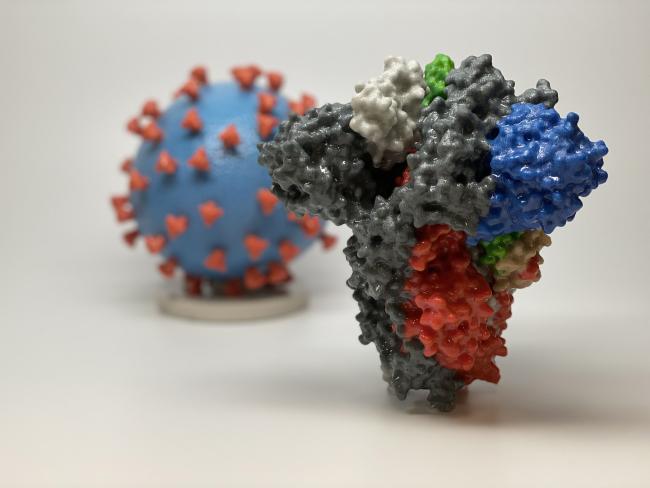
A Phase 1 clinical trial evaluating an investigational vaccine designed to protect against COVID-19 has begun at the Kaiser Permanente Washington Health Research Institute in Seattle. The National Institute of Allergy and Infectious Diseases, a part of the National Institutes of Health, is funding the trial, which is part of the Infectious Diseases Clinical Research Consortium.
The open-label trial aims to enroll 45 healthy adult volunteers between the ages of 18 and 55 over approximately six weeks. The study is evaluating different doses of the mRNA-1273 vaccine for safety and its ability to induce an immune response. This vaccine was developed by NIAID scientists and collaborators at Moderna, Inc., with manufacturing support from the Coalition for Epidemic Preparedness Innovations.
Participants will receive two intramuscular injections in the upper arm approximately 28 days apart. The trial involves three dose cohorts: 25 micrograms, 100 micrograms, and 250 micrograms, with 15 people assigned to each cohort. Investigators will review safety data before proceeding to subsequent dose groups and before participants receive their second vaccinations.
The mRNA-1273 vaccine utilizes a messenger RNA platform to direct cells to express a virus protein to elicit an immune response. Development was accelerated by prior research into related coronaviruses, such as SARS and MERS. NIAID Director Anthony S. Fauci, M.D., stated that finding a safe and effective vaccine to prevent SARS-CoV-2 infection is an urgent public health priority.
The trial is led by senior investigator Lisa A. Jackson, M.D. Participants will undergo follow-up visits for one year after their second dose and will provide blood samples to measure immune responses. Only adults in the Seattle area are eligible to participate in the study.