Governor Spencer Cox has addressed several critical state priorities this week, including joining a national foster care initiative, warning of a dangerous wildfire season, and responding to new legislative requirements for third-grade reading proficiency.
New National Foster Care Initiative
Utah has officially joined the national "A Home for Every Child" initiative, a development confirmed by Governor Cox when he signed a joint proclamation with the U.S. Department of Health and Human Services on April 30. The move aims to support foster families through "care communities," a model designed to provide networks of support to prevent caregiver burnout.
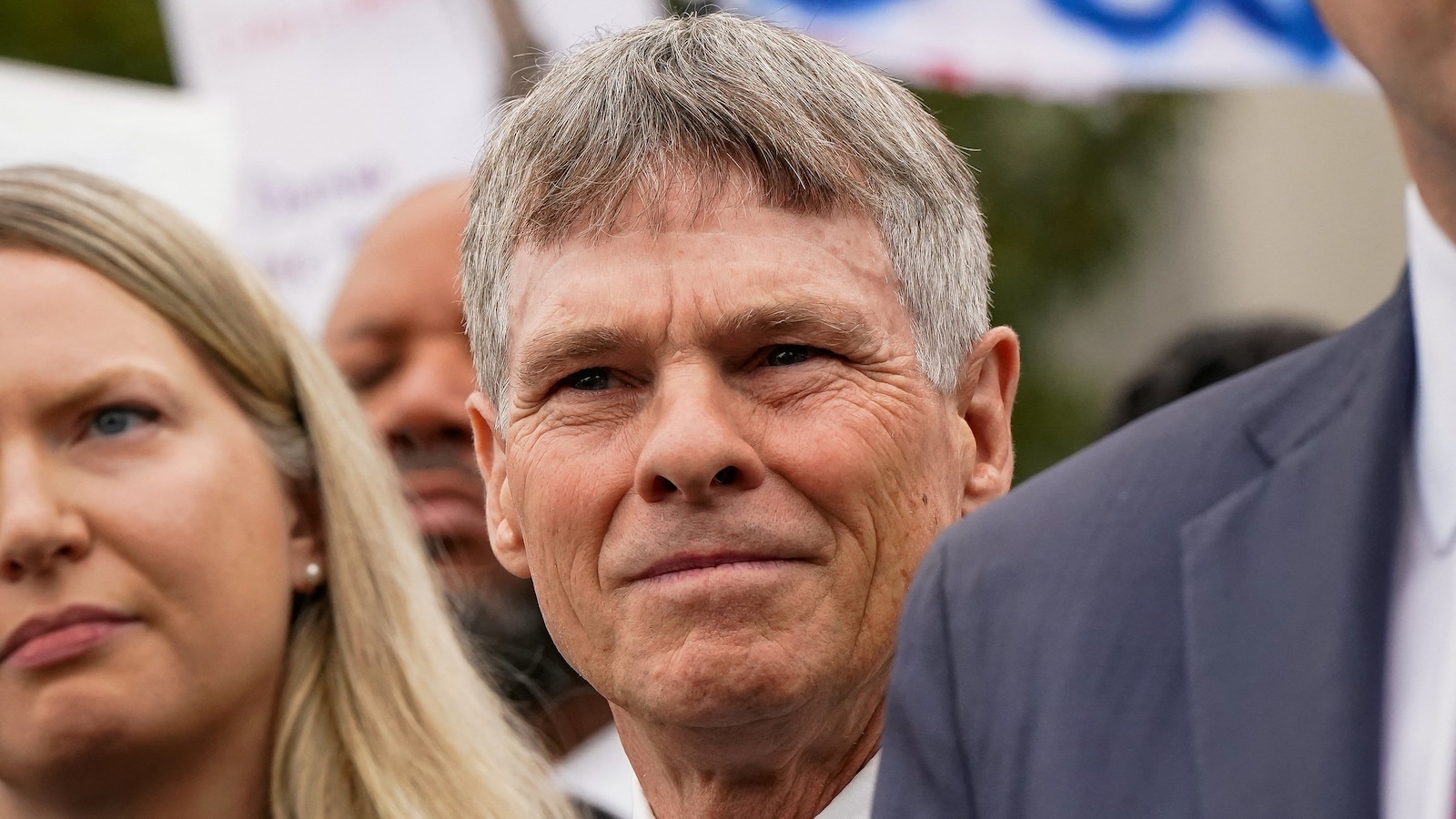
As reported by Davis County News, Assistant Secretary for Family Support Alex J. Adams noted that Utah is the 17th state to join the initiative. Adams highlighted a nationwide shortage of foster homes and praised Utah's model for its ability to boost retention and support existing families.
Rising Wildfire and Drought Risks
Regarding environmental concerns, Governor Cox warned reporters Thursday that Utah is entering an "especially dangerous" wildfire season due to blistering temperatures and dry brush. The governor noted that 84% of the 115 wildfires recorded in Utah so far in 2026 were caused by humans.
State officials are urging caution, with State Forester Jamie Barnes suggesting residents reconsider campfires due to historic lows in river and lake levels. While the governor touted a $150 million wildfire response budget established over the last five years, he also indicated plans to issue a drought declaration soon.
New Third-Grade Literacy Requirements
In education, Governor Cox recently signed S.B. 241 into law, which changes the state's definition of reading proficiency and shifts the literacy goal to 80% proficiency by July 1, 2030. The new law also introduces requirements for holding back third graders who are not reading on grade level, except in specific cases such as learning disabilities or English language learners.
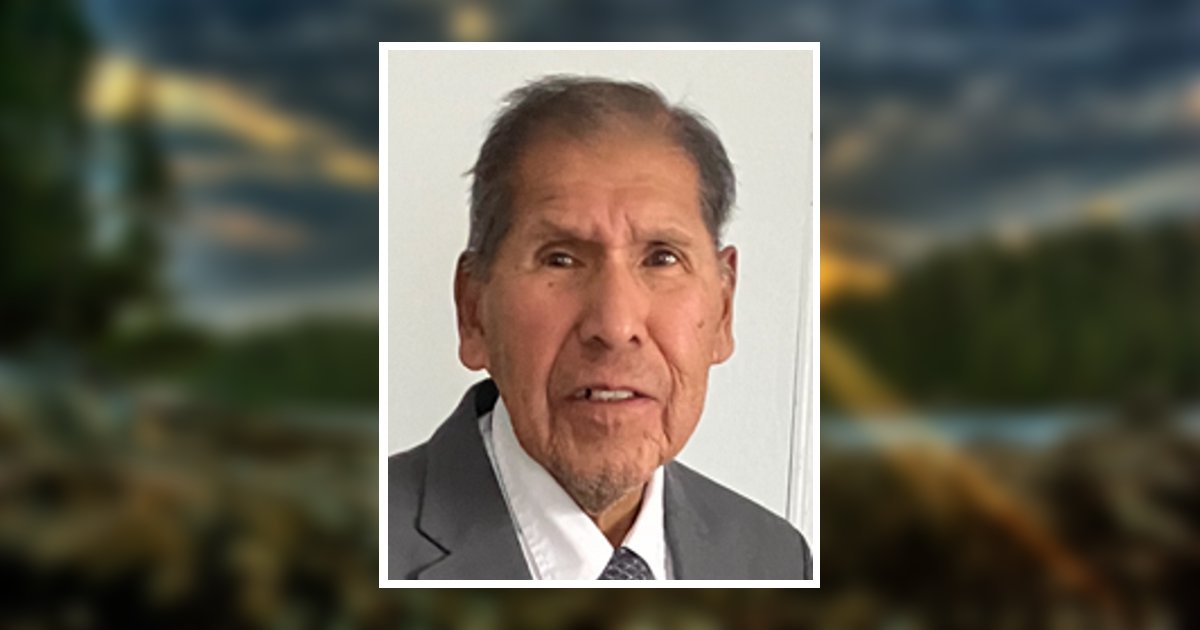
Wasatch County School District Superintendent Garrick Peterson stated that the district is focusing on comprehension to meet these new standards and prevent student retention. Meanwhile, a massive data center proposal in Box Elder County continues to draw scrutiny over its potential to increase the state's carbon dioxide emissions by more than 50%, according to estimates from University of Utah professor Kevin Perry.