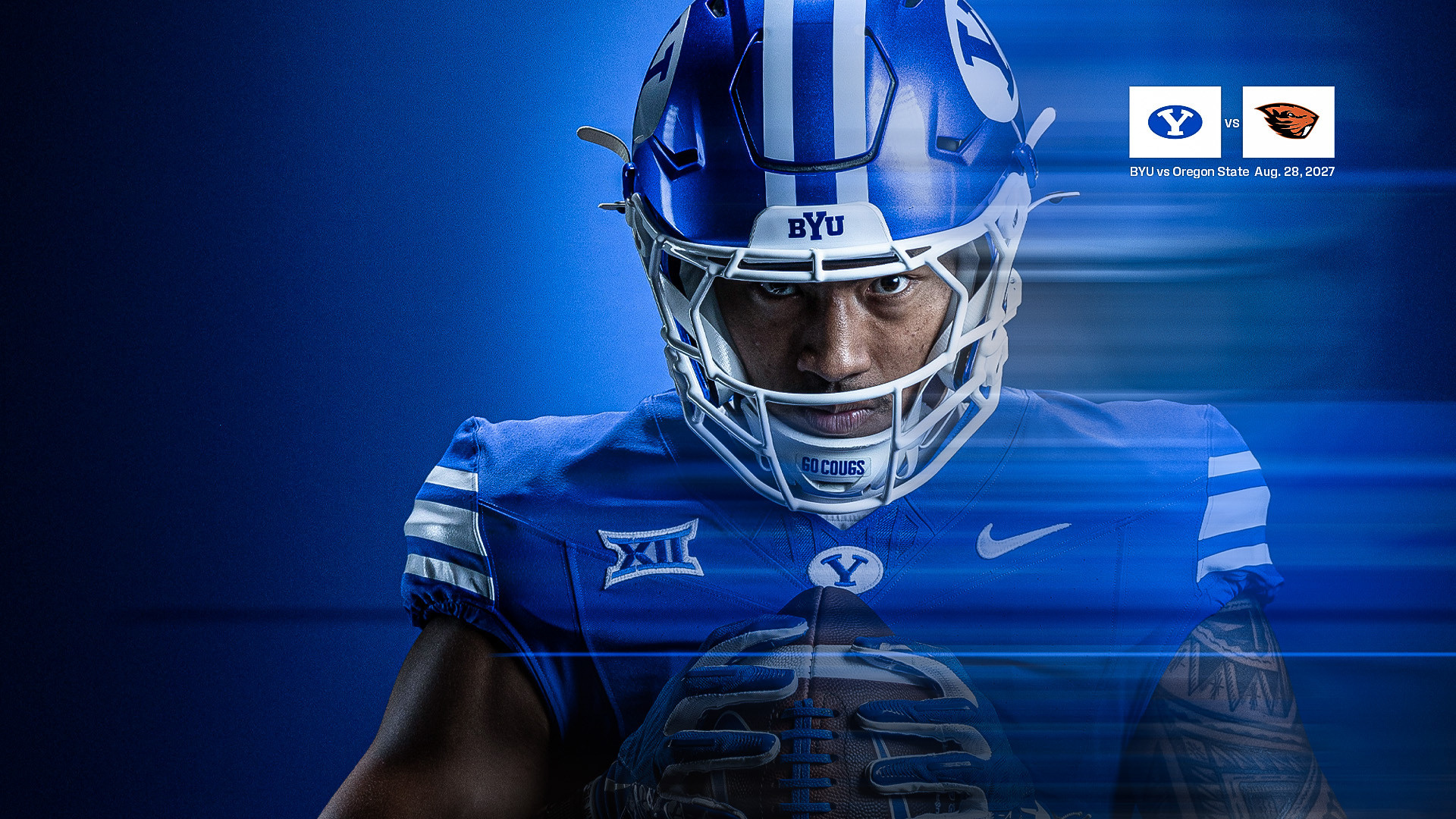
BYU running backs coach Harvey Unga is focusing his attention on transfer running back Chris Brooks, who joined the Cougars following a rapid recruiting process that spanned just 15 days after his final game for the University of California. The veteran coach, a former BYU standout, looks to integrate the former Cal player into a high-powered offensive system.
A Rapid Transition to Provo
The transition for Brooks from the University of California to Provo was notably swift. According to a 2022 post by Ben Criddle on X, the recruiting process for Brooks was a whirlwind, lasting approximately 15 days between his final appearance for Cal and his official commitment to BYU. Beyond the physical transition, Criddle noted that the move to BYU provided Brooks with a significant change in atmosphere, specifically citing the family-oriented environment surrounding the team as a major factor in his decision to join the Cougars.
Unga's Coaching Pedigree
As the Cougars prepare for the upcoming season, Unga remains a central figure in the development of the team's ground game. According to BYU's official roster information, Unga has served as the running backs coach since 2020, having previously held roles as a graduate assistant for the offense from 2016 to 2019. His coaching tenure is marked by a consistent ability to develop high-level talent, including mentoring Christopher Brooks last season to 813 yards on just 130 carries, an impressive average of 6.25 yards per carry.
Developing NFL Talent
Unga's track record includes developing several players who reached the professional ranks. He coached Tyler Allgeier, a fifth-round pick by the Atlanta Falcons in the NFL, who set a school record in 2021 with 1,601 rushing yards and was named an All-American by Sporting News, Phil Steele, and Pro Football Network. Allgeier's 2,899 yards and 36 touchdowns rank him fifth in school history for yards and tied for second all-time at BYU, matching a career mark set by Unga himself. Additionally, Unga coached Ty'Son Williams, who is currently with the Arizona Cardinals, and assisted in coaching current NFL players Tejan Koroma and Jamaal Williams.
Strengthening the Offensive Front
The success of the running game is heavily dependent on the strength of the offensive line, a unit that has seen significant leadership over the years. In February 2021, BYU head coach Kalani Sitake announced the hiring of Darrell Funk as the offensive line coach to bolster the staff. Funk, a 33-year veteran of collegiate coaching, joined the staff alongside Unga and other key members including offensive coordinator Aaron Roderick, passing game coordinator Fesi Sitake, and tight ends coach Steve Clark. Funk brought extensive experience from programs such as Michigan, Purdue, and San Diego State, where he had previously served as a run game coordinator.
A Legacy of Line Coaching
Funk's arrival at BYU followed a career spent at several major programs, including stints at UTSA, Indiana State, and Akron. During his time at Michigan from 2011 to 2014, his offensive line produced three Big Ten Rimington-Pace Offensive Lineman of the Year winners, including David Molk in 2011 and Taylor Lewan in 2012 and 2013. Lewan later became a first-round NFL draft pick. Funk's experience includes coaching versatile linemen who transitioned to the NFL, such as Michael Schofield, Graham Glasgow, and Patrick Omameh, as well as developing 1,000-yard rushers like Denard Robinson and Fitzgerald Toussaint during his tenure at Michigan.
Roster Evolution
The current roster for the University of California includes a wide array of talent, including the former Christopher Brooks who has moved on to BYU. The 2021 roster at Cal featured a deep list of players, including various contributors across the offensive and defensive units. While the roster continues to evolve, the focus for the Cougars remains on maximizing the potential of their incoming transfers within Unga's established running back program.
Professional Outlooks
While various players across the NFL continue to develop, the focus for scouts and analysts remains on the performance of collegiate players transitioning to professional environments. For example, NFL and PFF statistics for players like Indianapolis Colts tackle Blake Freeland provide a look at professional-level performance metrics, though such granular data is often unavailable for players with insufficient snap counts. This level of statistical analysis is a staple of modern football evaluation as players move from collegiate programs like BYU and Cal toward the professional stage.