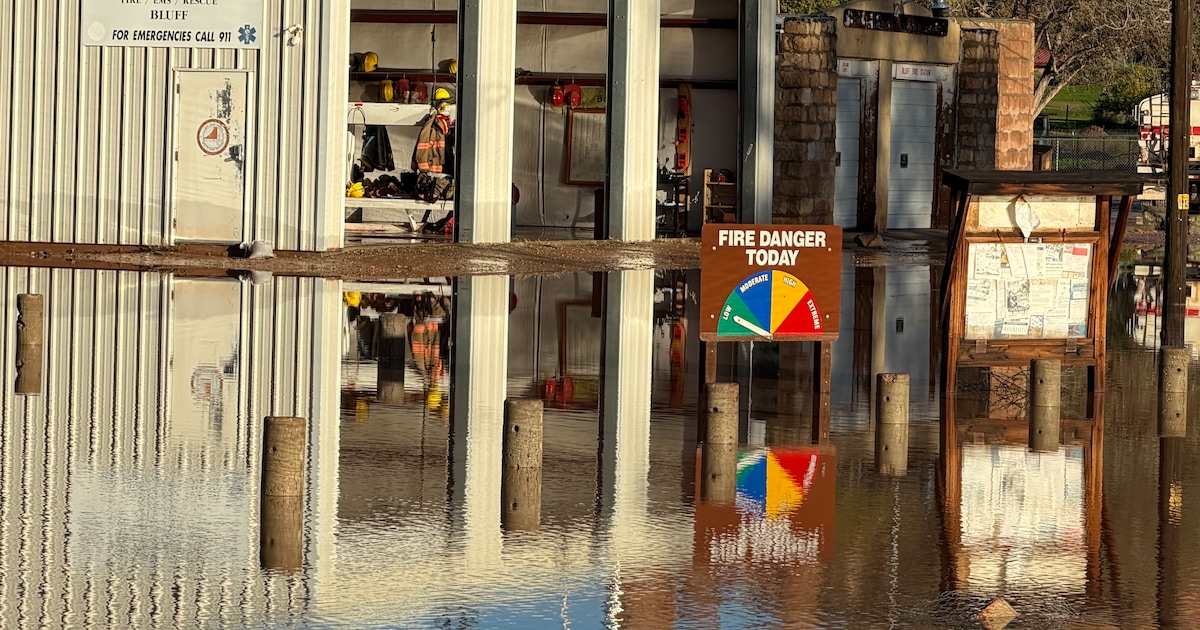
High levels of Escherichia coli in the San Juan River have triggered health advisories in San Juan County, with contamination levels reaching a peak of approximately 2,400 MPN on October 26. While bacteria concentrations showed signs of declining by late October, recent weekend flooding has introduced new runoff and debris, making further spikes in river E. coli levels likely, according to the Utah Department of Environmental Quality.
Public Health Warnings and Risks
The San Juan County Public Health Department and the Utah Department of Environmental Quality's Division of Water Quality have issued directives for the public to avoid all recreational contact with the San Juan River and any standing floodwaters. Officials warned that the water is unsafe for drinking, cooking, hygiene, or other household purposes.
Health officials noted that symptoms of waterborne illnesseswhich can include diarrhea, nausea, vomiting, abdominal pain, fever, and rashmay appear one to four days after exposure. Pregnant women, young children, and individuals with weakened immune systems are identified as being especially vulnerable to these illnesses.
Fluctuating Bacteria Levels
As of October 30, 2026, testing indicated that E. coli concentrations in the river were starting to decline from earlier spikes, though they remained dangerously high. Upstream near Bluff, concentrations were measured between 1,950 and 2,000 MPN, while levels downstream near Mexican Hat were reported at roughly 1,700 to 1,750 MPN.
According to the Utah Division of Emergency Management, E. coli can remain in wet environments for several weeks. Consequently, the public is advised to keep children, families, livestock, and pets away from the river and affected floodwater to prevent accidental ingestion or contact.
Impact of Recent Flooding
The Utah Department of Environmental Quality reported on November 2, 2026, that additional flooding following weekend storms has introduced fresh runoff, sediment, and debris into the river. This recent flooding makes it very likely that river E. coli levels have spiked again.
Field crews are currently collecting a new round of river water samples to determine current bacteria levels. Confirmed results will be released in coordination with local health officials as soon as laboratory testing is completed.
Drinking Water Safety Status
While river contamination remains high, the Utah Department of Environmental Quality confirmed that local drinking water systems remain separate from the contaminated river. All other drinking water systems in San Juan County are functioning normally and are safe for the community.
In Mexican Hat, the drinking water remains safe to drink, although the town is currently relying on hauled water after losing its well house to recent flooding. This water is being trucked in and will pass through the Mexican Hat water treatment plant before reaching residents and businesses.
Bluff Water Protections
Bluff Water Works issued a statement through Bluff town council member Jennifer Davilia at a town meeting, reassuring customers that the drinking water system was not compromised by the flooding of the San Juan River. The supply is drawn from an aquifer maintained under artesian pressure, and each service meter is equipped with dual-check backflow protection.
Bluff Water Works stated it conducts routine water quality sampling and would issue public notifications if any water quality concerns were identified. However, officials cautioned residents not to use potable water from hoses that may have been exposed to floodwaters.
Recovery and Safety Guidelines
The Department of Environmental Quality is partnering with local agencies to support flood recovery efforts in San Juan County. On-site water sampling and local health advisories are being handled by partner teams at the Southeast Utah Health Department and San Juan County Public Health.
For those assisting with flood recovery, officials recommend wearing appropriate personal protective equipment (PPE), including gloves, eye protection, and mouth coverings. Recovery workers are also advised to ensure their tetanus vaccinations are up to date and to protect open wounds from contaminated water.
Emergency Coordination
The Utah Division of Emergency Management is coordinating broader emergency response efforts, including disaster relief and monitoring road conditions, alongside San Juan County. Residents can monitor official updates via the San Juan County Public Health Facebook page.