Utah's small towns are home to memorable Main Streets where history and local landmarks offer a reason to slow down. From mining history and pioneer brick to red rock views, these nine towns have built downtowns that stand out despite the state's focus on red rock and powder.
In Brigham City, a glowing arch has stretched across Main Street since 1928. The street is flanked by the white twin spires of the Brigham City Utah Temple and the Neo-Gothic Box Elder Tabernacle, which was rebuilt following an 1890s fire. Local highlights include Idle Isle, which has been hand-dipping chocolates on Main Street since 1921, and the Brigham City Museum of Art and History. The town also hosts Peach Days every year after Labor Day, featuring a large free car show.
Park City's Main Street features stone frontages built following the Great Fire of 1898. The area is located between the slopes of Park City Mountain and Deer Valley. Notable locations include the Park City Museum, located in the old City Hall, the Egyptian Theatre, and High West, which is Utah's first licensed distillery since Prohibition. A unique feature of the town is the Town Lift, which carries skiers directly from Main Street to the mountain.
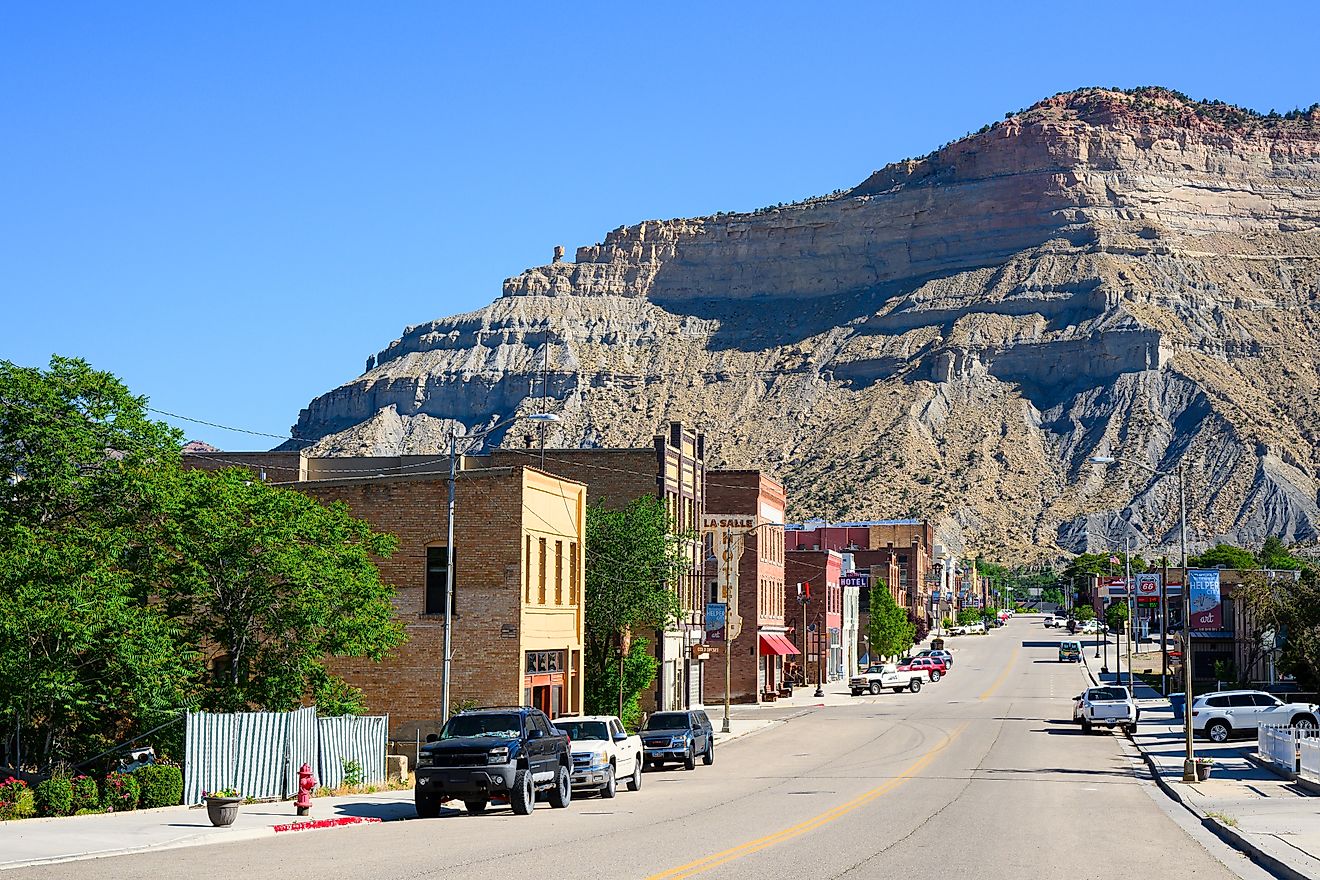
Helper's Main Street is lined with brick storefronts from the railroad era and features an 18-foot fiberglass coal miner named Big John. The town is a certified Dark Sky Community and hosts an art walk on the first Friday of every month. Visitors can explore the Western Mining and Railroad Museum, which contains coal-camp artifacts and Dorothea Lange photographs.
Spring City is located on the National Register of Historic Places and is characterized by oolite limestone and red-brick homes built by Mormon settlers. The town maintains its historic character with no traffic lights or chain stores. Notable establishments include Horseshoe Mountain Pottery and Das Cafe, which serves German food out of a building from 1915.
Panguitch features one of Utah's largest rural historic districts, with 379 contributing buildings, many of which were constructed with locally fired red brick between 1915 and 1940. The town is home to the 1918 Panguitch Carnegie Library and the Gem Theatre. Every June, the street hosts the Quilt Walk Festival.
Cedar City is known for the Utah Shakespeare Festival, which opened in 1962. The Main Street area retains early 1900s storefronts and a restored rail depot that currently houses a restaurant and an antique shop. The Frontier Homestead State Park Museum is also located in the area.
Springdale offers views of sandstone walls that rise behind the storefronts along Zion Park Boulevard. The town is located at the south entrance of Zion National Park and features the O.C. Tanner Amphitheater and various galleries like the LaFave and DeZion galleries.
Kanab, nicknamed Little Hollywood, has served as a backdrop for more than 200 Hollywood westerns and TV shows. The town features the Little Hollywood Movie Museum and the Kanab Heritage House Museum, a Victorian building from 1894.
Moab's Main Street serves as an outfitter for the surrounding canyon country, filled with gear shops and cafes. The town is near Arches National Park and the Colorado River. The Moab Museum details the area's history regarding dinosaur tracks and the uranium boom.
These nine towns demonstrate how downtown areas can outlast the industries that originally built them. Whether it was silver, coal, or film studios, the streets have maintained their shape and found new purpose through the years.