Carbon County officials are working to diversify the local economy to stabilize a tax base that has seen its industrial contribution plummet from over 70% to approximately 22% following the decline of traditional coal industries. This push for innovation follows a period of significant economic shifts, including the closure of coal mines and power plant shutdowns that have fundamentally altered the region's financial landscape.
Shifting Tax Burdens
The shift in the county's economic structure has placed increased pressure on local homeowners and businesses. According to a May 19, 2026, statement from the Carbon County government, the devaluation of remaining industries and ongoing valuation appeals could shift an estimated additional $500,000 in property tax burden onto local residents in the coming year alone. This financial transition occurs as the county seeks to replace lost revenue to fund essential community services.
As the industrial tax base shrinks, the responsibility for funding schools, municipalities, special service districts, public safety, and infrastructure shifts toward local taxpayers. County officials noted in May 2026 that without replacement industry and long-term investment, the financial pressure on residents will continue to grow, potentially limiting opportunities for future generations and affecting whether families remain in the county or relocate to find work elsewhere.
Strategies for Diversification
To address these challenges, Carbon County has focused on creating a business-friendly environment through various collaborative efforts. These initiatives include regional alignment, local business development, new business recruitment, workforce development, and efforts to improve affordable housing and the local tourism experience. The county's economic development mission aims to enhance the local economy by fostering a friendly atmosphere for both existing and new businesses.
Local officials have identified several key areas for growth, including manufacturing and the adaptive reuse of natural resources. The county is reportedly poised to embrace alternative uses for its abundant coal, such as the production of coke and carbon fiber. Additionally, the county is exploring its inland port capacity to allow businesses to expand their footprint nationally and globally using existing rail and air infrastructure.
Infrastructure and Workforce
The region's infrastructure provides several advantages for new industries looking to relocate. Carbon County features high-speed fiber for both residential and commercial use, as well as access to major transportation routes via rail and highway, including proximity to I-15 and I-70. The Carbon County Regional Airport and various shovel-ready sites along Ridge Road and within Price also serve as significant assets for economic growth.
In addition to physical infrastructure, the presence of Utah State University Eastern serves as a community anchor. The university provides specialized industry training programs, concurrent enrollment for high school students, and various degree programs designed to support local business growth and workforce development.
Tourism and Heritage
While the county looks toward new industries, it remains deeply connected to its historical roots. Much of the current labor force has a background in coal mining, which officials say provides a strong and dependable work ethic for new employers. The county's strategic plan includes leveraging this workforce alongside its natural resources to create a diverse and sustainable community.
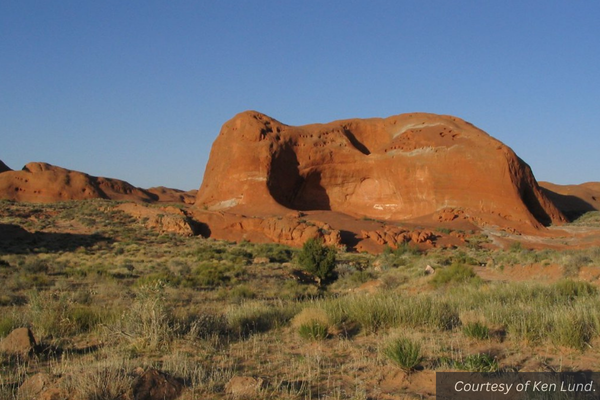
Tourism also remains a vital component of the local economy. The Carbon Corridor offers various recreational opportunities, including Nine Mile Canyon, Range Creek, Scofield State Park, and the Dinosaur Diamond National Scenic Byway. Local amenities such as the Carbon Country Club, Tavaputs Ranch, and the Fair Grounds Events Center are also identified as assets for expanded marketing and tourism development.
Governance and Oversight
The Carbon County Board of Commissioners, which includes members Tony Martines, Jared Haddock, and Larry Jensen, continues to oversee the county's administrative and economic direction. The board has been engaged in ongoing discussions regarding the long-term financial reality facing the community and the necessity of preparing for future economic shifts.
Officials have noted that while many large private investment projects begin with confidential preliminary discussions regarding land, utility capacity, and environmental considerations, any project that advances must follow established public processes, including reviews, hearings, and permitting required by county ordinances and state law.