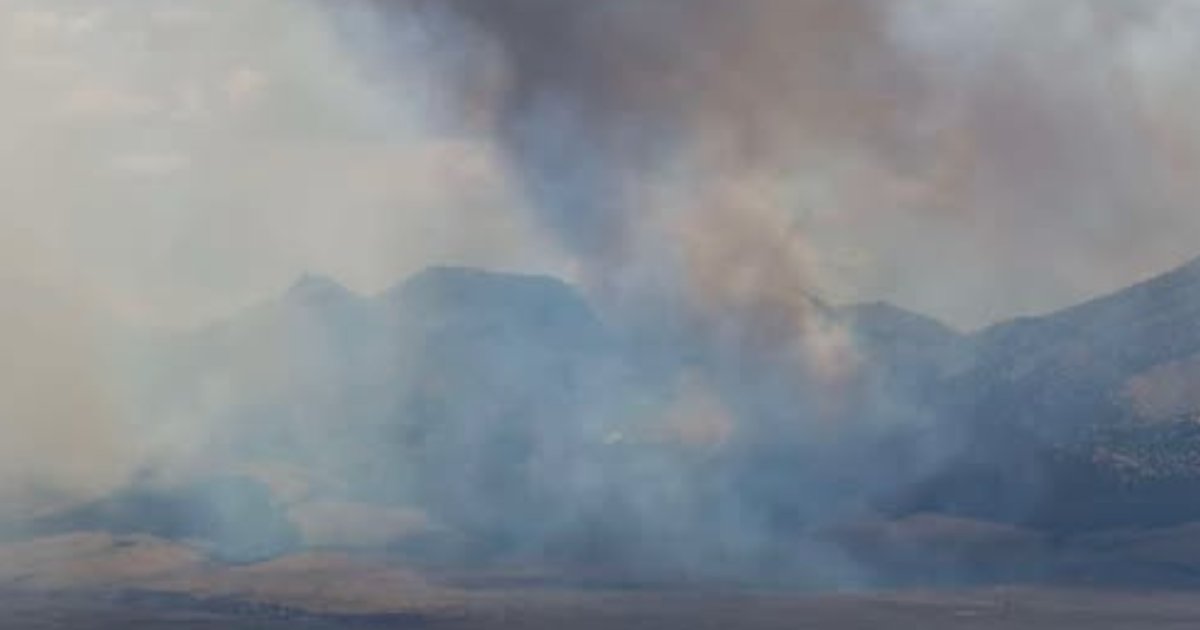
The Iron Fire, which ignited near Eureka in mid-June, burned approximately 41,467 acres across Juab and Tooele counties before reaching 77% containment by late June 2026. The blaze, which authorities determined was caused by human activity on private land, forced the entire population of Eureka to evacuate for several days.
Rapid Fire Growth and Containment Efforts
The fire officially ignited around 10:45 p.m. on Friday, June 19, 2026, on private land located roughly 4 miles northwest of Eureka in Juab County. According to reports from the Division of Forestry, Fire and State Lands, the fire exhibited explosive growth during its first 24 hours, expanding from 1,000 acres to more than 13,000 acres.
Extremely dry vegetation, including grass, sagebrush, and scattered juniper, fueled the rapid spread. This growth was further exacerbated by single-digit humidity levels and gusty winds. By Sunday evening, June 28, 2026, fire officials reported that the blaze had reached a containment level of 77%.
Protection of Local Structures
To protect the town of Eureka, firefighters conducted direct and indirect suppression operations. This included highly successful backburn operations on the north side of the town. Due to these efforts by local agencies and volunteers, no primary structures or homes were lost to the Iron Fire.
Command of the incident was managed by the Great Basin Complex Incident Management Team 3. As containment increased, crews shifted their focus toward securing the fire line around existing structures and strengthening established containment lines through mop-up operations.
Evacuations and Economic Impact
The fire's impact on local residents was profound, particularly for the approximately 1,000 residents of Eureka. The town faced a multi-day evacuation that disrupted daily life and local businesses, leaving many community members temporarily without access to their workplaces or sources of income.
While Level 3 'Go' mandatory evacuation orders for Eureka, Mammoth, and Silver City were lifted at noon on Sunday, June 28, 20 6, residents remained under various levels of alert. Evacuation warnings for Eureka, Mammoth, and Silver City were maintained in a 'Set' status, requiring residents to keep go-bags ready. Additionally, 'Go' status continued for Chimney Rock Pass and surrounding ranches directly affected by the fire.
Shelters and Road Closures
During the height of the displacement, several locations served as emergency shelters to assist residents. These included the Elberta LDS Chapel in Elberta, Utah; the Goshen LDS Chapel in Goshen, Utah; and the Vernon LDS Church in Vernon, Utah.
Transportation infrastructure also faced significant disruptions. U.S. Highway 6, which connects Elberta and Eureka, was closed for several days but officially reopened at noon on June 28, 2026. Portions of Highway 36 and Old Highway 148 also experienced closures and traffic impacts during the incident.
Drought and Environmental Factors
The extreme behavior of the Iron Fire was linked to broader environmental conditions in Utah. The state has been experiencing severe to extreme drought, a condition worsened by the 2025–2026 winter season, which produced one of the lowest recorded snowpacks for the state.
This lack of snowpack left fuels historically dry. The region was also enduring widespread heatwaves and prolonged dry spells characterized by critically low humidity, creating ideal conditions for rapid wildfire spread. While no major power outages were reported in the 72 hours leading up to the June 28 report, smoke from the fire significantly impacted air quality in Salt Lake City, Moab, and neighboring states.
Ongoing Fire Risks
Despite reaching 77% containment, fire officials warned that the incident remained a multi-day event. There were ongoing concerns that unburned pockets of vegetation could still ignite and throw embers if winds increased.
As of July 10, 2026, strict fire restrictions and burn bans remain in effect across Juab County and much of Utah due to extreme fire danger. Authorities continue to advise the public to avoid active fire areas to ensure heavy equipment and firefighting personnel can operate safely.