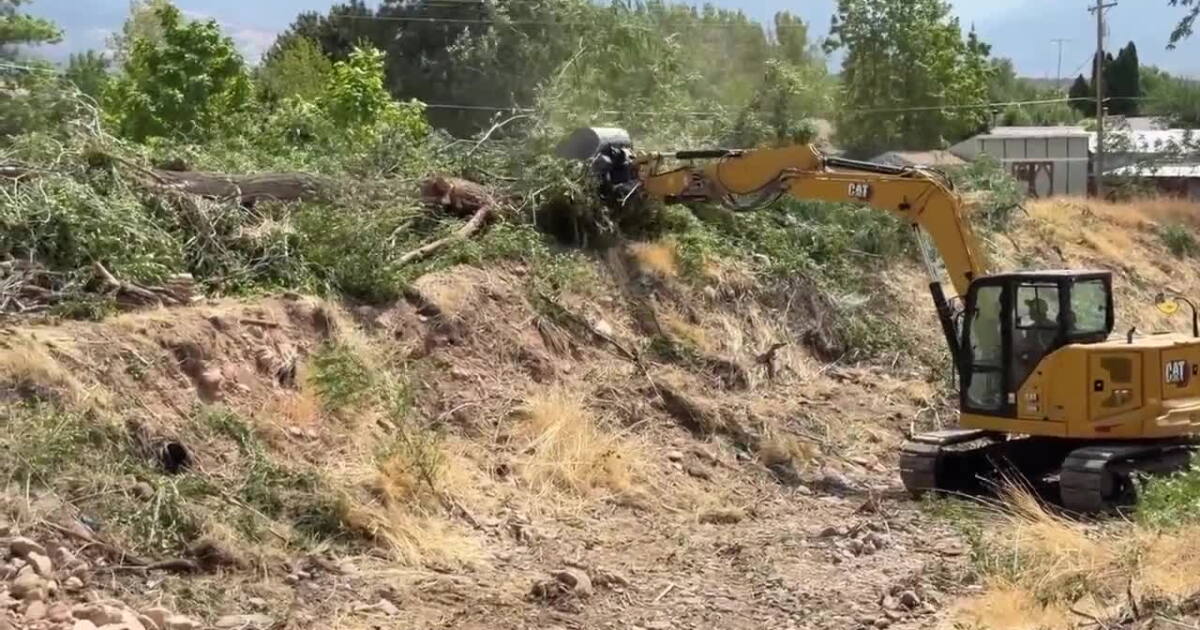
Conservation advocates are challenging a proposed industrial development in Tooele Valley that seeks state permission to discharge concentrated brine from a reverse osmosis water treatment plant into protected wetlands near the Great Salt Lake. The project, which includes a large-scale data center campus, is seeking a permit to release wastewater containing arsenic and chloride into areas just 1.6 miles from the lake's shoreline.
Threats to Shorebird Habitats
The dispute centers on draft Utah Pollutant Discharge Elimination System permit UT0026409, which would allow the discharge of 252,000 gallons per day of reverse osmosis reject brine into North Willow Creek and Gilbert Bay. According to information from the Stop the Polluting Ports group, the proposed discharge would occur with no dilution in the receiving water body and without pre-discharge baseline water quality monitoring.
Advocates for the environment expressed concern that the discharge route enters the Stansbury Mudflats, a specifically monitored shorebird survey area on the south shore of the Great Salt Lake. The group noted that arsenic is present in the reject stream intended for these wetlands.
Ecological Decline and Risks
The potential impact on local wildlife is significant, as the Stansbury Mudflats are critical for various species. Data from the Fall 2025 Intermountain West Shorebird Survey recorded over 274,000 shorebirds across 25 species in Utah, with high populations of American Avocet, Wilson's Phalarope, and Red-necked Phalarope.
The group highlighted that the Wilson’s phalarope has received a positive 90-day finding under the Endangered Species Act due to habitat threats at the Great Salt Lake. Furthermore, survey data shows a long-term decline in shorebird abundance, with Great Salt Lake populations specifically seeing declines in the range of 58% to 69% for most taxonomic groups compared to historical baselines.
Development and Infrastructure Plans
The development is part of the Tooele Valley Project Area, a 584-acre industrial site located in northern Tooele County near Interstate 80 and Burmester Road. According to the Inland Port Authority, the area's proximity to rail and major highways provides a unique opportunity for industrial growth.
The project area was formally established following a resolution passed by the Tooele County Council on April 11, 2023, which requested the creation of a UIPA Project Area within the county boundaries.
Scale of Industrial Expansion
The proposed industrial campus is described as a 200-acre data center site featuring a 500-megawatt on-site gas power plant, alongside a diesel truck stop and hotel at the Burmester interchange. The site plan for a Love’s Travel Stop, which was reviewed by the Tooele County Planning Commission on June 3, 2026, shows the project as abutting wetlands.
The Inland Port Authority has stated its position on data centers involves transparent growth, local control, and natural resource protection.
Public Subsidy Totals
The project is supported by significant public financing, totaling $234 million in taxpayer-backed subsidies. This includes $50 million in UIPA tax increment financing—which diverts property tax growth from local schools and services for 25 years—as well as $80 million in Tooele Valley PID tax-exempt bonds and $100 million in Interstate Technology Park PID tax-exempt bonds.
Critics argue this level of public investment serves a single private development while placing strain on local resources.
Groundwater Over-Appropriation Concerns
Water availability remains a primary point of contention. The Tooele Valley groundwater basin was declared over-appropriated by the State of Utah in 1996, meaning more water rights exist on paper than the aquifer can sustainably supply. The project's reverse osmosis system relies on this closed basin.
Opponents note that while the UIPA Tooele Valley Project Area holds agricultural water rights purchased from previous holders, it is unclear if those rights were being actively consumed. They argue that activating these rights for 24/7 industrial use could create new demand in an area already facing drought and record-low snowpack.
Permit Approval Process
The Utah Division of Water Quality held a public hearing on July 27, 2026, to consider the draft permit. The period for public comments on the permit closed on July 27, 2026.