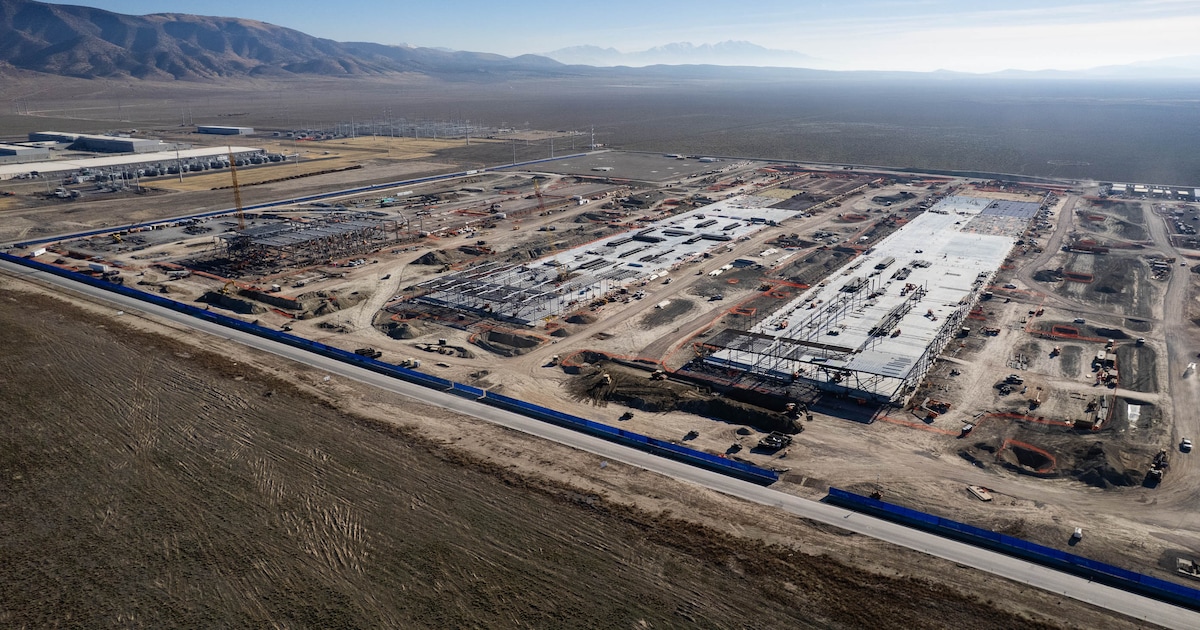
Tyson Foods is closing its case-ready beef and pork facility in Eagle Mountain, Utah, as part of a strategic beef business restructuring announced Aug. 13, 2026. The decision follows years of development in the region and comes as the company reacts to historic cattle shortages across the United States.
Strategic Business Restructuring
The closure of the Eagle Mountain plant is part of a larger network restructuring by the Springdale, Arkansas-based company. Tyson Foods announced it will end operations at its Eagle Mountain facility and its Joslin, Illinois, beef facility to anchor its beef business around three locations in the central United States: Dakota City, Nebraska; Holcomb, Kansas; and Amarillo, Texas.
Cattle Supply Constraints
Tyson Foods stated the restructuring is intended to strengthen long-term performance and create a more competitive footprint. The company cited recent USDA cattle inventory data, which showed evidence of limited heifer retention, as a primary driver for the move. These supply constraints are expected to persist, necessitating a more efficient and modern network.
Eagle Mountain Plant History
The Eagle Mountain facility was originally slated to open as soon as 2021 as a meat-cutting and packaging operation. The plant was designed to convert large cuts of beef and pork into retail-ready products such as steaks, chops, roasts, and ground meat. At its inception, the facility was expected to employ 800 workers, with the potential to expand to 1,200 positions within three years.
Economic and Regional Impact
The facility was built with a projected annual local payroll of $44 million. Tyson Foods had previously indicated the plant would be its fourth case-ready location, joining existing plants in Sherman, Texas; Council Bluffs, Iowa; and Goodlettsville, Tennessee.
Worker Transition Support
In response to the facility closure, Tyson Foods said it is committed to supporting affected team members through the transition. The company stated it will assist employees in applying for open positions at other facilities within its network.
Future Operations
The restructuring also includes the company pursuing the sale of its beef facility in Pasco, Washington. As cattle availability allows, Tyson Foods plans to ramp up a second shift at its Amarillo, Texas, facility to maintain its production goals.
Industry Context
The shift in operations occurs during a period of significant volatility in the cattle industry. USDA data has historically tracked the nation's cattle herd, providing estimates for breeding animals, milk cows, and calves born annually to help gauge market supply.