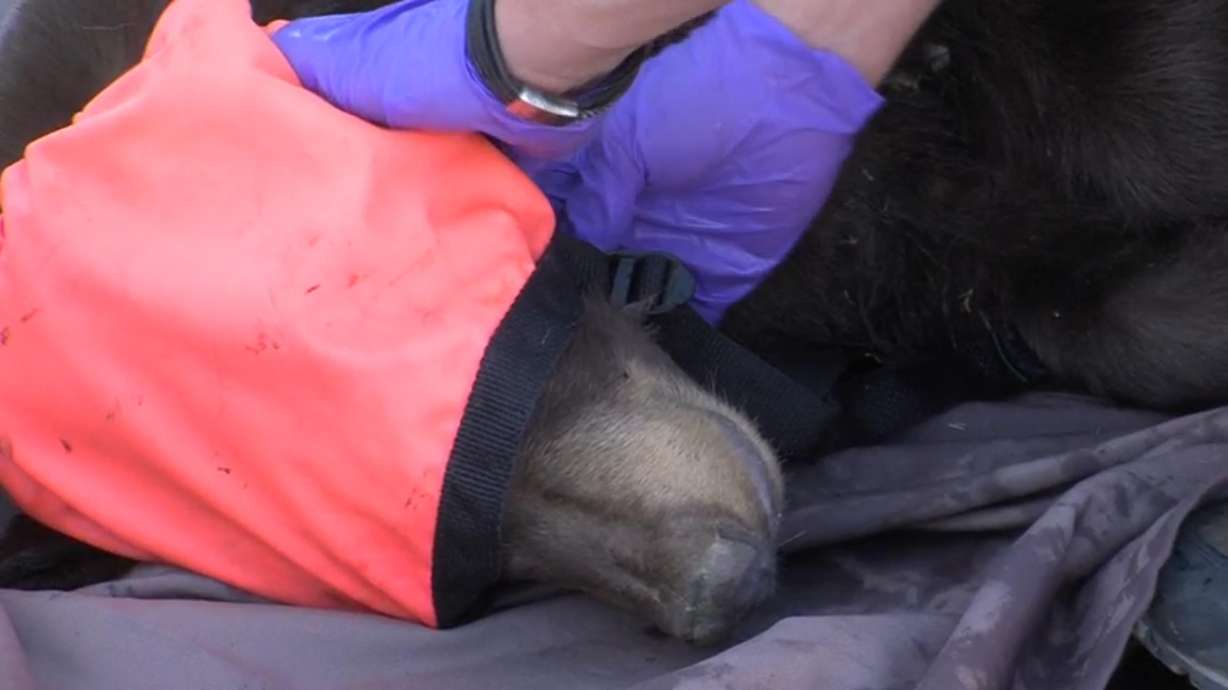
A third bear has been spotted in Utah County, with the most recent sighting occurring in Springville, according to local reports. The appearance of the bear in Springville follows previous sightings in the county, raising questions about wildlife movement amidst regional development.
Springville Public Safety Oversight
The Springville Police Department, led by Director of Public Safety and Police Chief Lance Haight, serves the community through patrol and investigations. While the department focuses on law enforcement and public safety, the recent bear sighting highlights the intersection of urban living and wildlife habitats in the region.
Impact of Rapid Urbanization
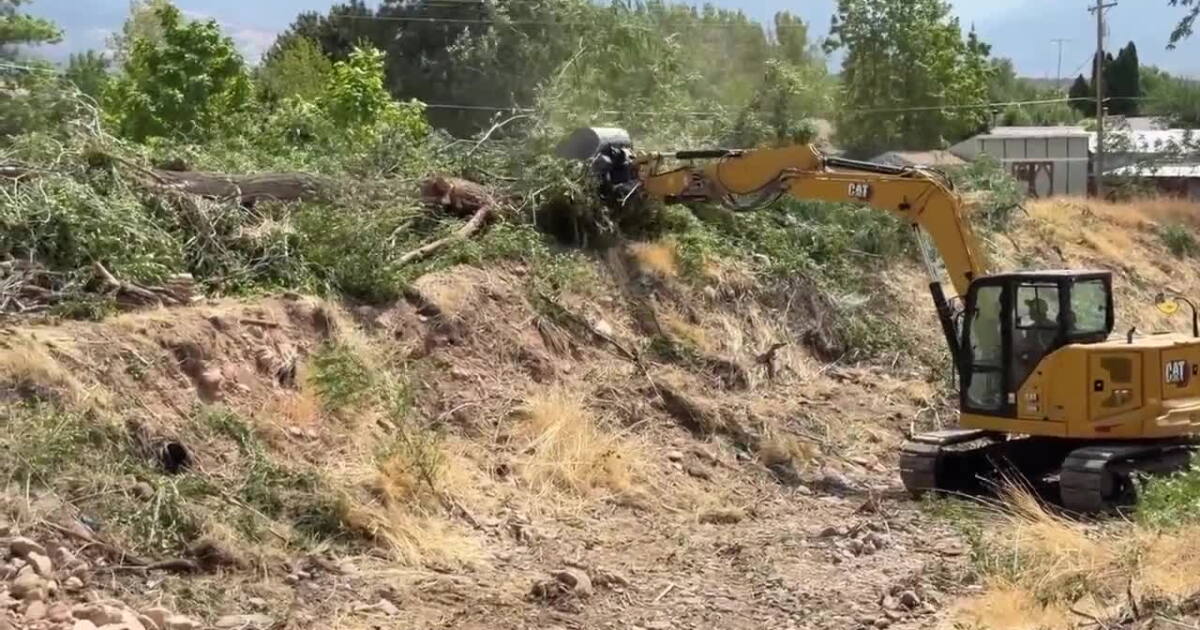
The presence of wildlife in residential areas is often linked to broader ecological shifts. In nearby Eagle Mountain, rapid population growth has led to significant landscape changes, including the construction of new roads and developments. These changes can result in the loss of wildlife habitat and the blockage of established movement corridors.
Wildlife Migration Patterns
Migration corridors play a critical role in maintaining healthy wildlife populations. In the Eagle Mountain area, approximately 2,000 mule deer migrate annually through a corridor located in the undeveloped western portion of the city. Research shows that knowledge of these migration routes is passed from mother to offspring.
Increasing Wildlife Conflicts
The tension between development and wildlife is evidenced by increasing animal-vehicle collisions. In the Eagle Mountain area, more than 190 deer-vehicle collisions occurred within the past two years, though officials suggest the actual number could be twice that amount. Hotspots for these collisions include mile markers 30-33 in Eagle Mountain and mile markers 24-26 in Cedar Fort.
Mitigation and Conservation Efforts
To mitigate these risks, several agencies are collaborating on wildlife preservation. The Utah Wildlife Migration Initiative involves partners such as the Bureau of Land Management, UDOT, the Utah DWR, and Eagle Mountain City. Efforts include installing animal detection and warning signs on SR-73 between mile markers 30 and 31, as well as implementing wildlife fencing.
Future Planning and Growth
Looking toward the future, Eagle Mountain expects its population to reach 150,000 by 2060. To address the impact of this growth, the city intends to include the mule deer migration corridor in its Parks and Open Space Master Plan to better align green spaces with natural movement routes.