Compromise was central to the creation of the U.S. Constitution, according to retired Fifth District Court Judge John Walton. During a lecture titled "The U.S. Constitution: Miracle in Philadelphia," Walton explained how delegates overcame deep divisions to shape the nation's founding document.
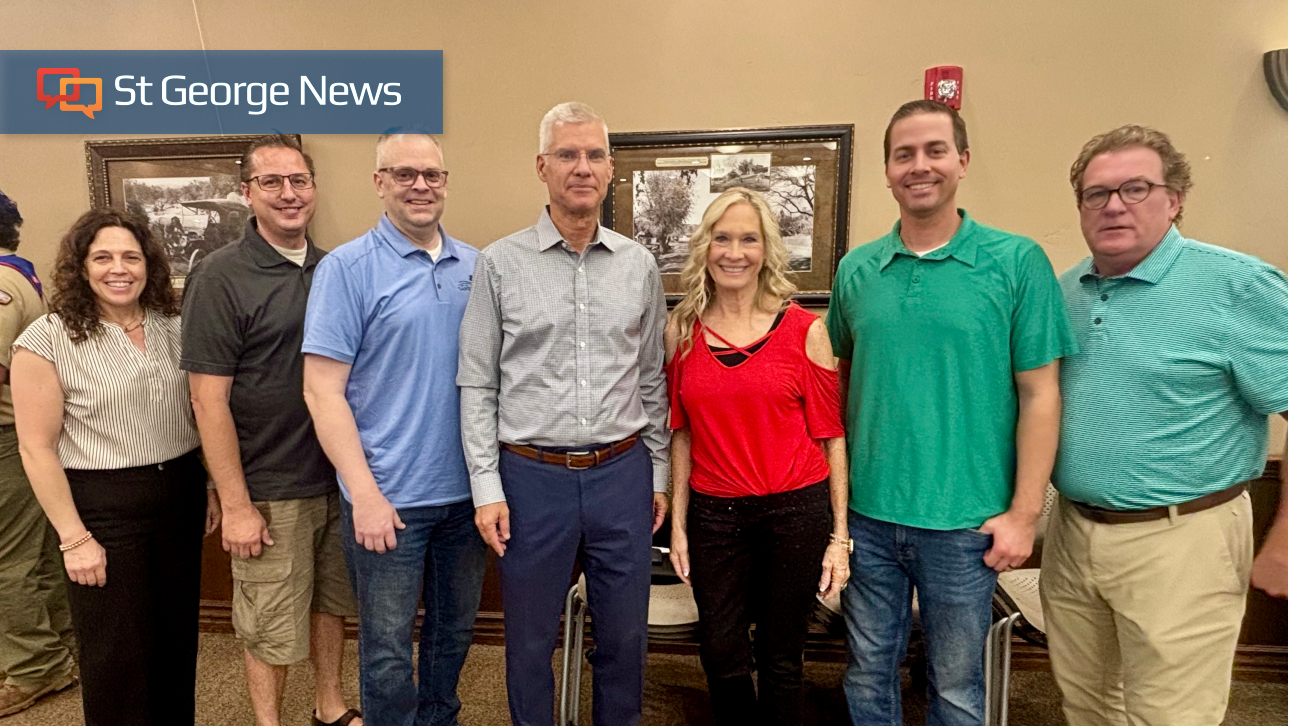
The presentation took place at Santa Clara Town Hall and was part of the America250 lecture series. Approximately 125 people attended the event, according to Valerie King, the honorary regent for the Color Country Chapter of the National Society Daughters of the American Revolution. King noted that Walton emphasized the importance of George Washington's leadership during the Constitutional Convention to help unite delegates.
Walton detailed five major compromises reached during the 1787 Constitutional Convention to balance power between states and branches of government. These included the Great Compromise, which established a two-house legislature based on both population and state numbers, and the Three-Fifths Compromise, which determined how enslaved individuals would be counted for representation and taxation. He also covered the Commerce Compromise, the Slave Trade Compromise, and the Electoral College Compromise.
Walton noted that the average age of the 1787 delegates was men in their 40s. King observed that the men who made these compromises were significantly younger than many individuals currently serving in Congress.