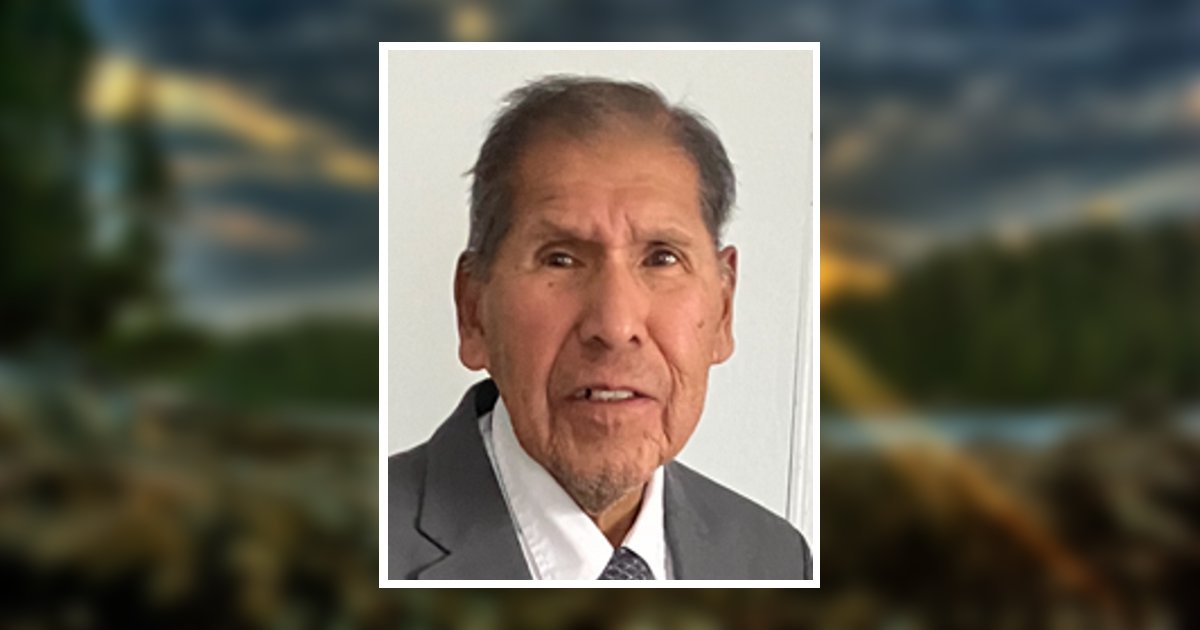
Former Utah State football player Torrey Green expressed complete faith on July 29, 2026, that he will be found innocent in connection with four sexual assault allegations. The statement comes years after a 2016 internal inquiry at Utah State University examined how the institution handled information regarding Title IX compliance issues involving Green.
University Inquiry and Reform
The legal scrutiny surrounding Green follows a period of significant institutional reform at Utah State University. In August 2016, the university released the results of an internal inquiry launched after then-President Stan Albrecht requested an investigation into recent allegations of sexual assaults within the campus community.
Findings of the 2016 Inquiry
The 2016 inquiry, which provided a blueprint for addressing sexual assault in the Aggie campus community, found that no university official had discouraged victims from reporting incidents or pursuing investigations. Furthermore, the inquiry concluded that no athlete received preferential treatment from the athletics department or any other university office, and that no evidence of university wrongdoing was covered up.
Institutional Response to Misconduct
Following the 2016 investigation, Utah State University implemented several structural changes to its Title IX oversight. According to a 2018 university update, the institution underwent a dramatic shift in campus culture to address sexual violence through increased investment in outreach and prevention.
Key initiatives included the implementation of the Upstanding bystander intervention training and mandatory online sexual assault prevention training for incoming students. The university also established dedicated positions for outreach and prevention within the Affirmative Action and Equal Opportunity office and the Sexual Assault and Anti-Violence office.
Long-term Prevention Efforts
The university's efforts to improve transparency and response included a series of recommendations to centralize oversight and improve communication with local law enforcement. These recommendations, released in late August 2016, emphasized the need to address student attitudes regarding sexual misconduct and the stigmas associated with reporting assault by a fellow student.
Ongoing Campus Safety Focus
While the university has worked to refine its processes—including the use of Maxient software to link records between housing, student conduct, and Title IX offices—the impact of sexual misconduct remains a central focus for the institution. As noted by former USU President Noelle E. Cockett, the university has worked to ensure that misconduct is met with appropriate responses to protect the campus community.