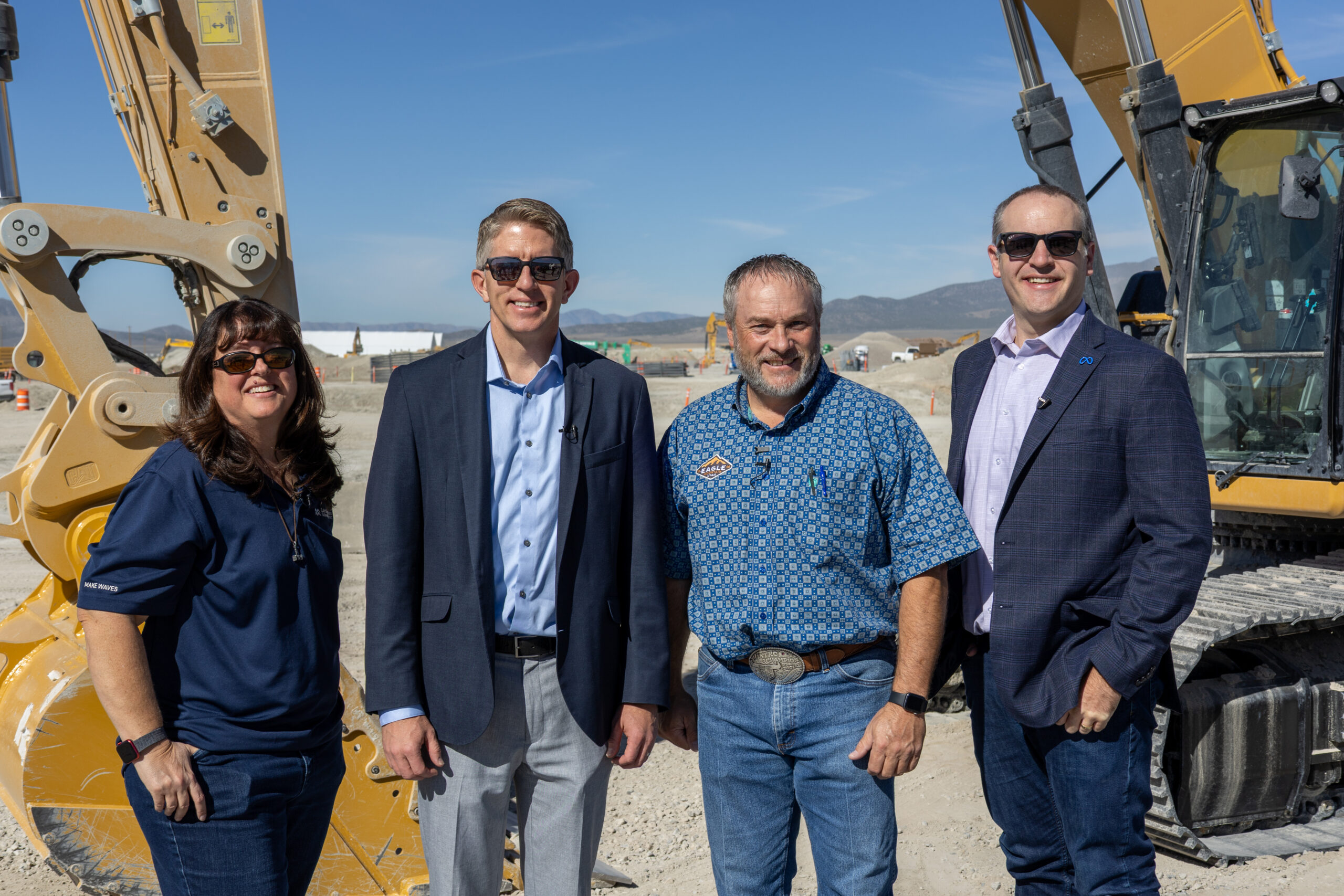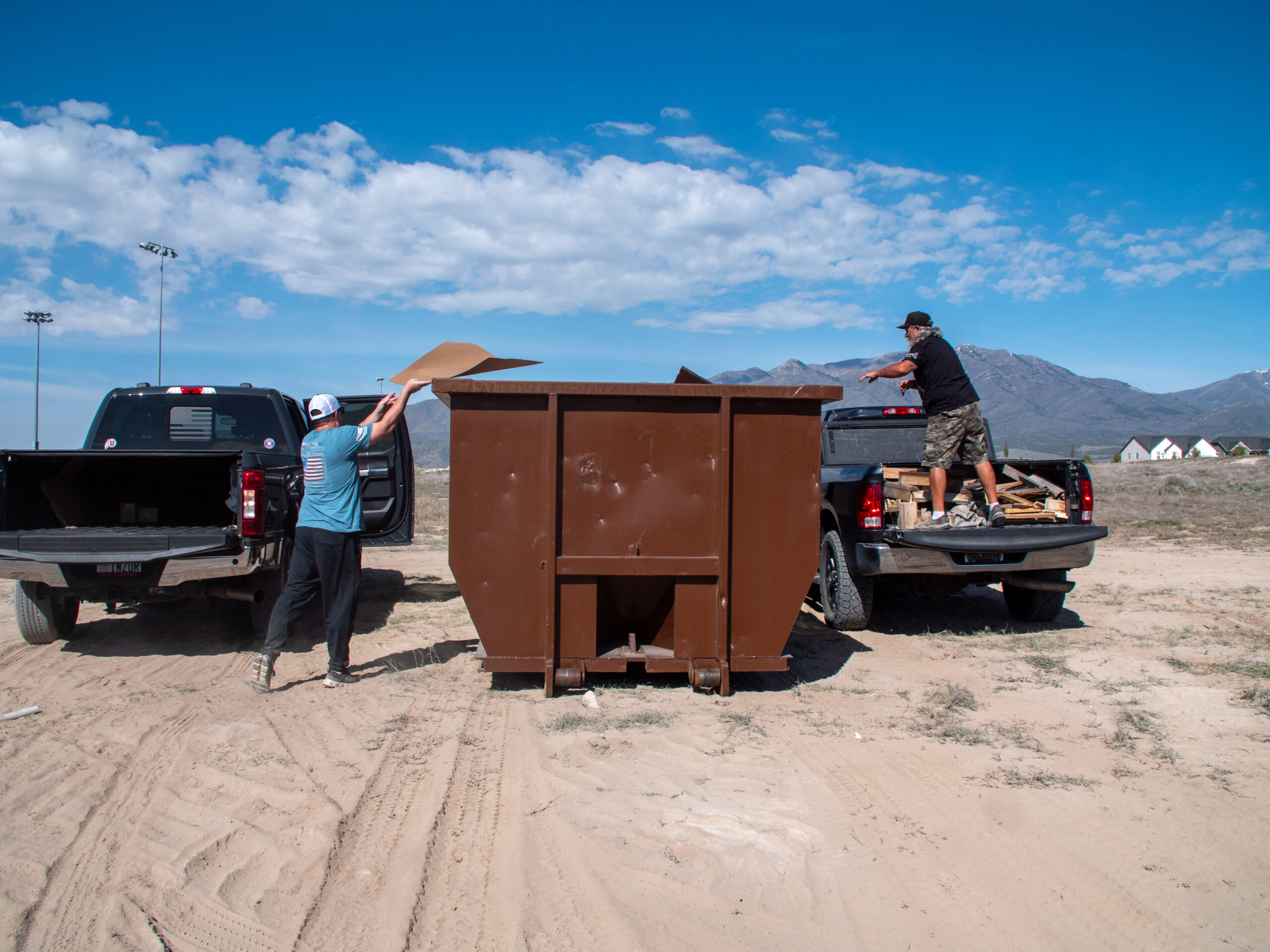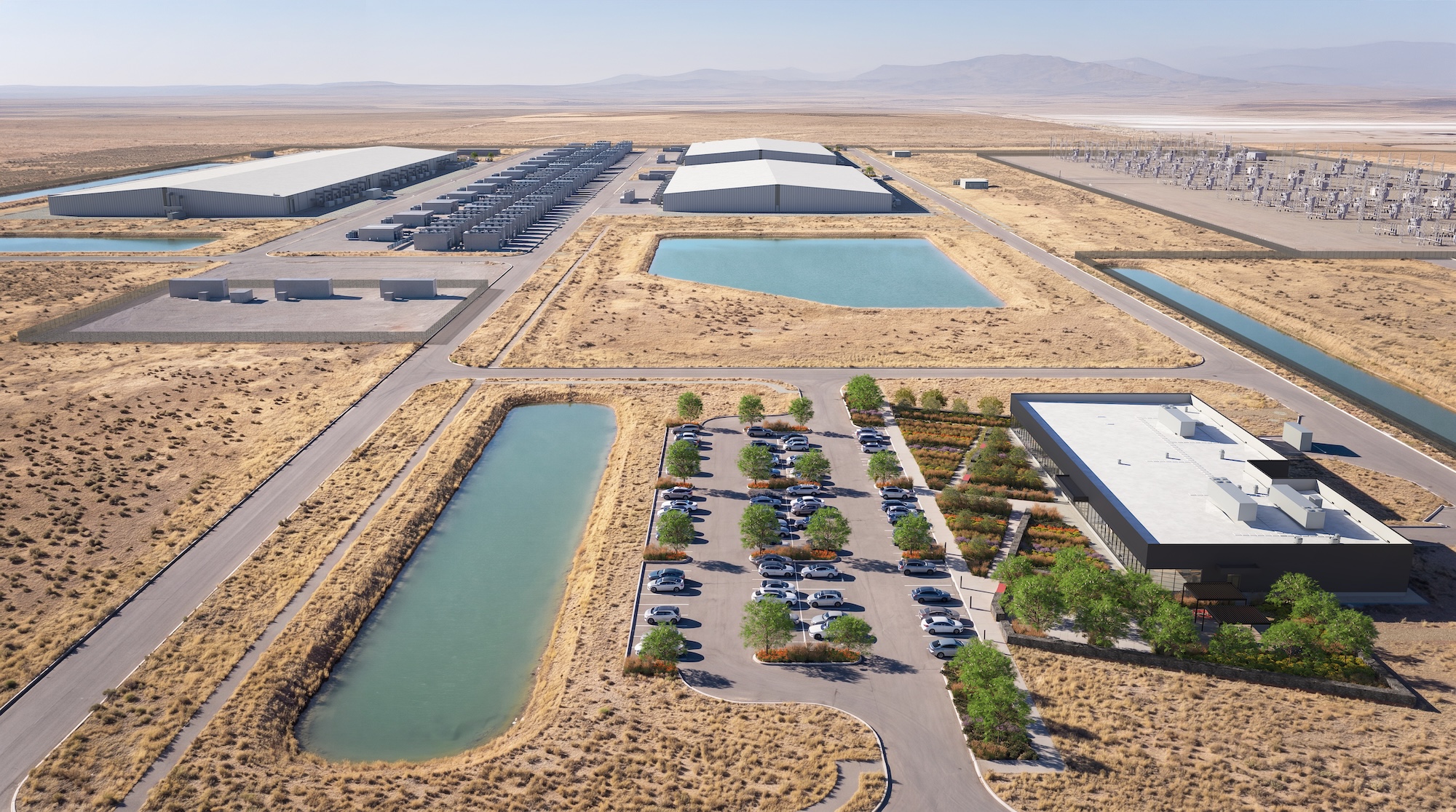
Meta is expanding the Eagle Mountain Data Center it has operated since 2021, and the company says Utah households will not pick up the power tab. New buildings are designed so cooling uses no operational water. The existing campus is a different picture: in 2024 it used 1,115,619 megawatt-hours of electricity and withdrew 35.1 million gallons of water.
Power bills: who pays
On Sept. 14, 2026, Meta said it is raising its Utah investment above $3 billion and that it pays the full cost of the campus’s energy use “so other consumers aren’t negatively impacted.” The company also says it has fully funded new generation and grid infrastructure in Eagle Mountain and matches the data center’s electricity with 100% clean and renewable energy, including more than 1.7 gigawatts of renewable projects and 600 megawatt-hours of battery storage across 13 Utah sites. Meta’s campus fact sheet says it worked with Rocky Mountain Power so consumers are not negatively affected and that it pays Eagle Mountain the full cost of water and wastewater service.
State law now backs that cost-shift. Senate Bill 132, the Large-Scale Electric Service Requirements law sponsored by Sen. Scott Sandall, R-Tremonton, and signed March 25, 2025, applies to new or added load expected to reach 100 megawatts within five years. Contracts must make the large-load customer bear “all just and reasonable incremental costs,” and “existing ratepayers do not bear costs justly and reasonably attributable” to serving that customer. Rocky Mountain Power spokesperson David Eskelsen said the bill “authorizes a path for the state to serve and attract large energy users, like data centers, while ensuring existing customers are protected from related rate impacts.” House Speaker Mike Schultz said a later large-load agreement under the same law “ensures that new, large energy users cover their own costs and help strengthen the grid without raising rates on existing customers.”
The expansion is also being wired off the residential grid. At a Feb. 24, 2026, Eagle Mountain Planning Commission hearing, City Attorney Marcus Draper said a Williams natural-gas plant on the Stadion parcel would support data-center expansion on the Meta site. Williams representative Andrew Johns described Project Aquila as a behind-the-meter generating facility, separated from Rocky Mountain Power, that would supply Meta’s data centers. Williams later reported in its second-quarter 2026 filing that Aquila is a 520-megawatt, 12.5-year Utah project expected in service in the second half of 2027 and the first half of 2028.

That does not mean Rocky Mountain Power bills never rise. Shon Hiatt, an associate professor at the University of Southern California, told the Legislature’s Economic Development and Workforce Services Interim Committee on Aug. 19, 2026, that investor-owned utilities such as Rocky Mountain Power showed no effect on power prices from data-center entry from 2020 to 2025. He also warned that larger projects now in the pipeline could still move wholesale power prices. The campus’s own load has already grown fast: electricity use rose from 229,946 megawatt-hours in 2021 to 1,115,619 megawatt-hours in 2024.
Water: what the campus uses now
Meta’s 2025 Environmental Data Index lists Eagle Mountain water withdrawal at 133 megaliters in 2024, or about 35.1 million gallons — more than double the 58 megaliters, about 15.3 million gallons, withdrawn in 2021. The Salt Lake Tribune, using the same company figures, reported the 4.5 million-square-foot campus withdrew more than 35 million gallons in 2024. Using the Tribune’s conversion that 126 million gallons covers indoor use for nearly 800 Utah households, 35.1 million gallons is roughly a year’s indoor water for about 220 homes.
Meta does not own the water. The Utah Division of Water Rights told the Tribune that Meta and its affiliates hold no water rights in the area and instead buy water through the city. Eagle Mountain Mayor Jared Gray said the campus uses “a lot less than they own.” Monthly volumes remain hidden: a 2018 city agreement keeps the facility’s monthly water use confidential and requires the city to alert Meta when someone requests the records.
Some of that cooling water is already reused. Eagle Mountain Public Utilities Director Mack Straw said converting Meta server-cooling water to Type 1 effluent for irrigation at Cory Wride Memorial Park “will help alleviate the stress on our culinary system.” The city built about $5 million in filtration and a booster station and has said it wants to extend reuse to nearby subdivisions if the state grants reuse water rights.
The larger water question sits upstream of the campus. Brigham Young University ecology professor Ben Abbott has said data centers use water two ways — cooling servers, and, usually the larger share, generating the electricity that runs them. Independent researcher Jonathan Koomey, formerly of Lawrence Berkeley National Laboratory, has made the same tradeoff: cutting on-site cooling water can raise electricity use, which can raise water use at power plants. How much water Project Aquila itself will need was raised at the Feb. 24 planning hearing; the published minutes do not include a figure.
What the expansion changes
For the new buildings, Meta says it will use closed-loop liquid cooling with dry cooling, “meaning there will be no operational water use in the cooling system.” Remaining on-site use would be limited to domestic needs, fire protection and equipment maintenance, with continued annual operational water use “projected to be less than one typical golf course in the region.” Meta also cites Hobble Creek and Provo River flow-restoration projects that it says have collectively restored more than 726 million gallons of water per year.
Those company projections are not independently audited in public city records, and they do not erase the existing campus’s 35.1 million-gallon 2024 withdrawal. Rep. Jill Koford, R-Ogden, has pushed statewide data-center water reporting, telling the Tribune that Utah has lacked “statewide guardrails for reporting and transparency.”
The practical answer for Eagle Mountain households is split. On power, Utah’s large-load law, Meta’s pledge to pay its own infrastructure, and a behind-the-meter gas plant are all designed to keep this expansion off residential Rocky Mountain Power rates — though researchers still flag possible wholesale-price effects as the load grows. On water, the city sells Meta its supply, reuses some cooling water on park grass, and is promised near-zero cooling water in the new buildings; the campus still used 35.1 million gallons in 2024, does not own local water rights, and has not released monthly use.