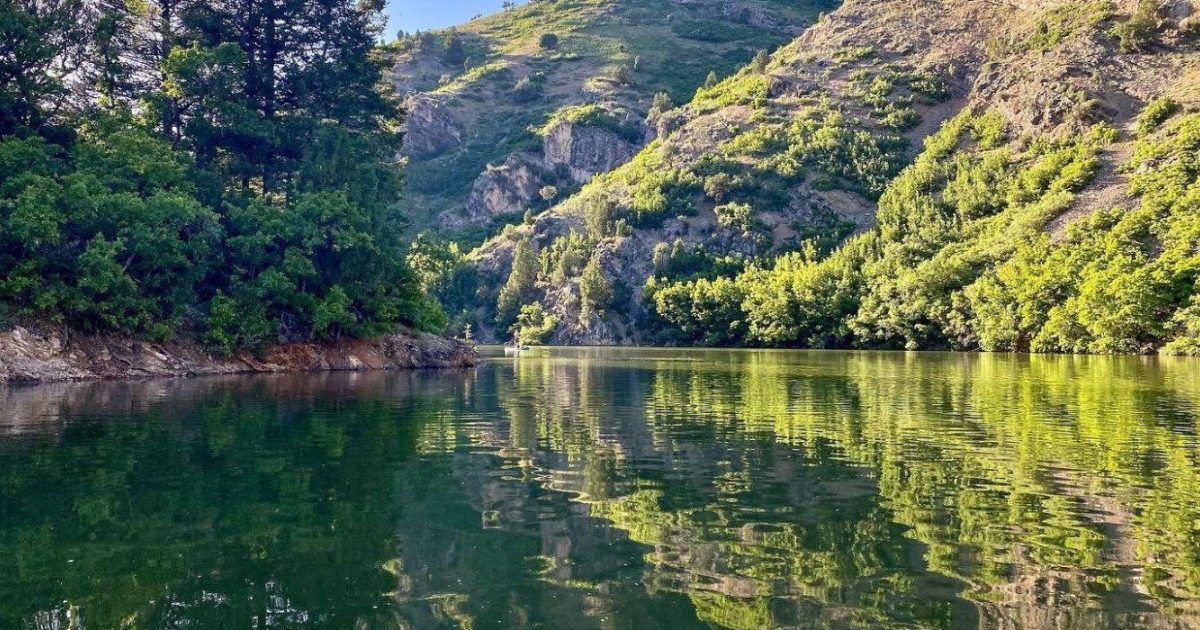
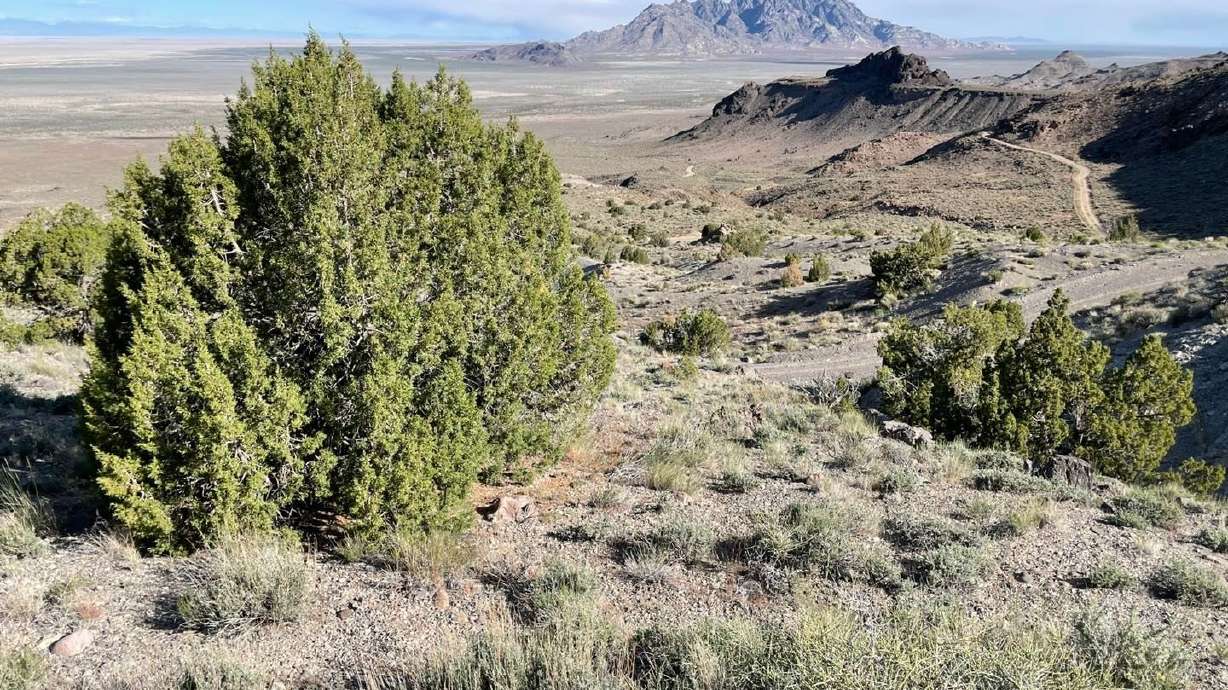
Utah remains in a statewide drought as reservoir and lake levels continue to decline toward October, despite recent monsoon rains providing some relief to local supplies. The Utah Division of Water Resources announced August 27, 2026, that current reservoir storage averages 52% full, which is 15% lower than normal for this time of year and 18% lower than the same period last year.
Reservoir and Stream Conditions
The Division of Water Resources reported that while monsoon weather has reduced demand on some local storage, it will not be sufficient to pull the state out of its current drought conditions. Joel Williams, director of the Division of Water Resources, stated that the state's reservoirs, lakes, and streams are "really struggling this year." Williams urged Utahns to maintain conservation efforts, noting that "every drop saved today adds to our collective resilience."
Impact on Major River Systems
River systems across the state are showing varying levels of impact from the prolonged drought. In the Upper Sevier River, natural flow is 49 cfs, which is less than half the volume recorded during the 2021 drought. The Upper Duchesne River is also seeing a steady decline through the summer, with natural flows at 233 cfs.
Other basins show different patterns based on summer precipitation and reservoir releases. The Bear River's natural flow is 396 cfs, providing about 28% of direct flow rights, a condition similar to the average 2020 water year. Meanwhile, the Upper Provo River shows a natural flow of 50 cfs, providing about 16.2% of direct flow rights, with summer monsoons providing only a temporary increase in flows.
Wildfire and Structural Losses
Wildfire activity has remained significant throughout the season, with 1,028 wildfires reported so far this year. These fires have burned more than 553,150 acres across the state. Three of the ten largest wildfires in Utah's history have occurred during this season: the Widemouth 2 fire, which burned 129,742 acres; the Babylon fire, which burned 102,854 acres; and the Cottonwood fire, which burned 96,181 acres.
The human cost of the wildfire season has been significant, with more than 200 structures lost statewide. The Division of Water Resources also reported the tragic loss of four federal wildland firefighters on the Snyder Fire and two pilots supporting the Widemouth 2 Fire.
Increased Wildlife Incidents
The ongoing drought has significantly impacted wildlife behavior and interactions with humans. According to the Division of Water Resources, the number of bear incidents requiring response from the Utah Division of Wildlife Resources has doubled from last year. As of August 25, 2026, biologists and law enforcement agencies have responded to 168 bear-related issues, compared to 83 incidents in 2025.
Historical Context and Snowpack
The current water crisis follows a difficult start to the year. In a January 22, 2026, update, the Division of Water Resources noted that Utah's lackluster snow season was a primary concern, as 95% of the state's water supply is derived from snowpack. At that time, 94% of the state was already experiencing some form of drought, a significant increase from the 20% of the state experiencing drought during the same period in 2025.
During that January period, Joel Williams, serving as interim director, noted that the state's water situation was not looking good and emphasized the importance of preparation. While some reservoirs, such as Strawberry, Jordanelle, and Deer Creek, had room for multiple years of storage, other reservoirs contained only enough water for approximately one year.
SNOTEL Precipitation Data
Snowpack and precipitation data from the NRCS SNOTEL sites provide a detailed look at the moisture levels across various basins. In the Bear River basin, several sites show varying degrees of moisture relative to the median. For example, the Tony Grove RS site reports a current snow water equivalent of 0.0 inches, while the Klondike Narrows site shows 0.0 inches, despite a median of 32.2 inches.
In the Raft River basin, the Howell Canyon site shows a current snow water equivalent of 0.0 inches against a median of 39.4 inches, representing 83% of the median. Meanwhile, the George Creek site shows 0.0 inches against a median of 25.0 inches, or 87% of the median. Data from the SNOTEL sites indicates that several high-elevation sites, such as Sedgwick Peak, show 0.0 inches of current snow water equivalent against a median of 30.8 inches.
Conservation and Water Savings
To address ongoing water scarcity, the state continues to promote conservation initiatives. These include the Agricultural Water Optimization Program for farmers and the Slowtheflow.org website for residents. Additionally, the Utah Water Savers Toilet Replacement Program, which launched in 2019 and helped over 4,500 households replace nearly 6,000 toilets, has recently been retired after successfully saving millions of gallons of water.