SALT LAKE CITY — The NBA Draft is just around the corner, and all eyes are on the top of the board.
No consensus on top picks
It isn’t set in stone who goes first or second right now, and front offices are feeling the same way.
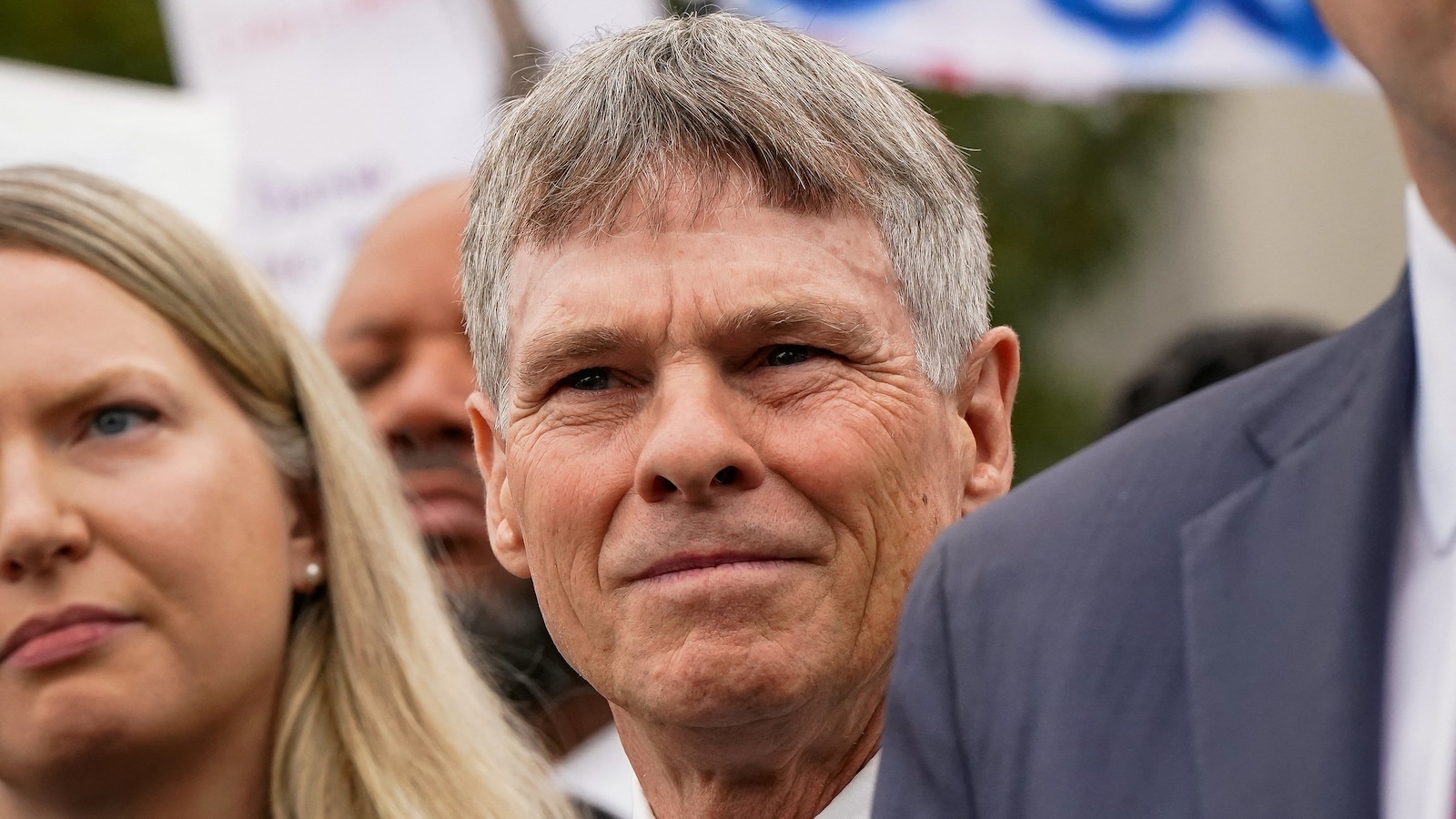
Utah’s president of basketball operations, Austin Ainge, said that the Jazz don’t “have a consensus” right now. The reality is, they shouldn’t.
As is well-known at this point, the 2026 draft class is immensely talented and doesn’t have a prospect head and shoulders above his peers. This is not a Victor Wembanyama or Cooper Flagg-type of draft.
So, the goal isn’t to not be wrong, it’s to be the most right.
Avoiding groupthink and media narratives
Ainge was straightforward in saying that predicting human behavior, especially that of a 19-year-old being placed in a global spotlight, is far from easy. He then took that into a behind-the-scenes look at the thought process in Utah’s front office.
We’re trying to force ourselves to keep an open mind and not get locked in until we have all the information. Make sure we’re processing everything correctly. We’re almost fighting a consensus or a predetermination. We’re trying to make sure we go through it as thoroughly as possible before we lock in. I would say there’s always a ‘blink’ reaction when we get our pick. We’re trying not to do that on purpose. We’re fighting groupthink, and we’re fighting media narratives. We’ll use all of the tools we have. You guys can picture a room full of (people) who spend all of their lives trying to figure out these players. We don’t have a consensus in our rooms. There are arguments. There are a lot of opinions. We are all just trying to share, grow, learn, and come together at the end.
Extensive use of scouting resources
It’s also good to remember that the amount of resources and references at the disposal of NBA teams is almost never-ending.
At this point in the process, teams have almost full access to all medical tests and records in addition to all of the film and statistics. Ainge spoke on this as well, and gave some extra information on what teams do once they have access to a prospect’s medicals.
Deep dive into medical evaluations
90-something percent of it. There are sometimes some tests that are sent out to other labs, and other things are coming in. But yes, we have most of everything. We get access to the records and results. They’ll do MRIs, blood tests, x-rays, histories, and hands-on evaluations. Then, our team of doctors will review and seek a specialist’s advice when needed. If there’s something outside of their area of expertise or something they want more help on, they can go find whatever worldwide expert that we want to help us make a decision.
Austin Ainge on the Utah Jazz drafting with the No. 2 pick.
“We’re trying to force ourselves to keep an open mind. We’ll use all of the tools we have. (But) we don’t have a consensus in our room.”#TakeNote | @kslsports pic.twitter.com/aWOe6cVskK
— Chandler Holt (@CHoltSports) June 4, 2026
Confidence through thorough preparation
So, on first glance, not having a consensus may seem worrying. But the reality is the draft is hard, and teams have over two months (not counting any and all work done before the regular season ends) to turn over every stone and make a decision with as much confidence as can be reasonably had.
The goal is to know more today than you did yesterday. As long as there is a consensus, or at least a decision, by June 23, the Jazz can comfortably run their pick to the podium.
RELATED STORIES
What’s next for the Utah Jazz this offseason?
Austin Ainge reveals how Utah Jazz are approaching crucial offseason
New Jazz roster can become most talented in franchise history
Chandler Holt is a Utah Jazz insider for KSLSports.com and co-host of the Jazz Notes podcast. Follow Chandler on X for Jazz and NBA updates.
Take us with you, wherever you go.
Download the new & improved KSL Sports app from Utah’s sports leader. You can stream live radio, video and stay up to date on all of your favorite teams.
Follow @CHoltSports
Follow @kslsports
Like us on Facebook