House lawmakers opened an investigation on Aug. 28, 2026, into potential insider trading at Energy Fuels Inc. after company executives purchased significant amounts of stock days before President Donald Trump announced a 90 percent reduction of the Bears Ears National Monument. The investigation, led by House Natural Resources Committee Ranking Member Jared Huffman (D-Calif.) and Oversight & Investigations Subcommittee Ranking Member Maxine Dexter (D-Ore.), follows the July 13, 2026, decision to open nearly 3 million acres of federal land to mining, including uranium-rich areas of the San Juan Basin.
Stock Purchases Before Monument Reduction
The investigation focuses on a massive stock purchase made by Energy Fuels CEO Ross Bhappu on July 7, 2026. According to a press release from the House Committee on Natural Resources, Bhappu purchased 74,000 shares, representing the largest insider purchase in the company's history and increasing his ownership by 41 percent. The following day, Chairman of the Board Bruce Hansen purchased 4,000 shares.
Presidential Proclamations and Land Use
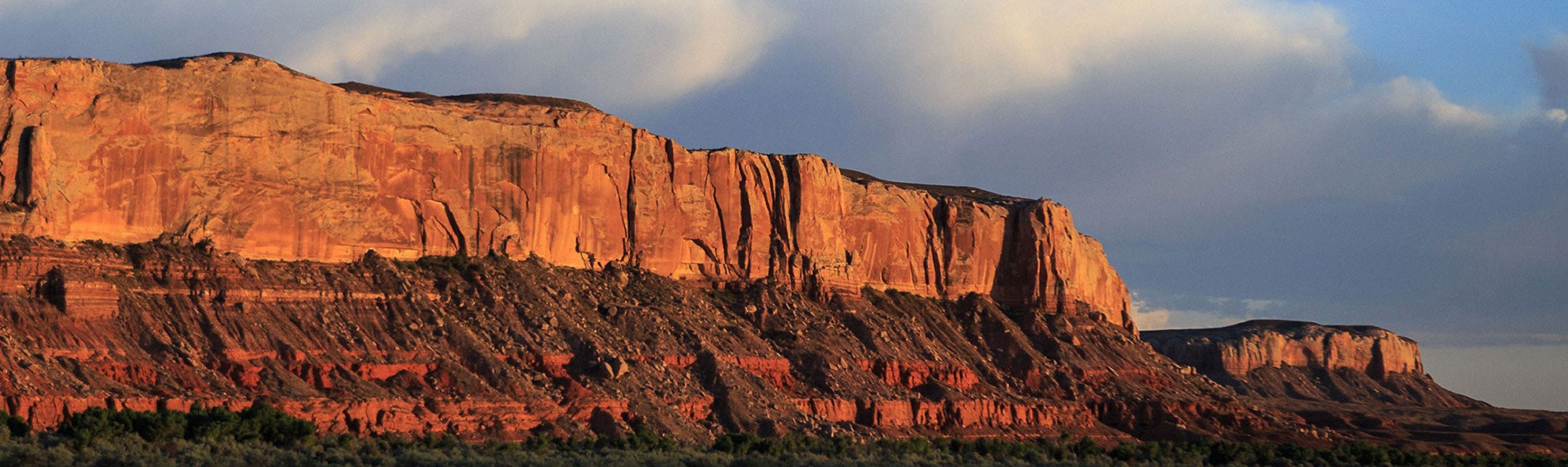
The timing of the purchases coincides with the July 13, 2026, presidential proclamation that significantly altered the size of two Utah national monuments. The White House announced that the Bears Ears National Monument would be reduced from approximately 1.36 million acres to 121,100 acres, while the Grand Staircase-Escalante National Monument would be reduced from 1.87 million acres to 181,500 acres. The White House stated these modifications were intended to allow for common sense land use and restore public access for activities such as grazing, timber harvest, and resource development.
Allegations of Privileged Information
Lawmakers Huffman and Dexter expressed concern that the company's close relationship with the administration may have provided executives with nonpublic information. In a letter to Bhappu, the lawmakers noted that the company had hired outside lobbyists, including a former Trump Interior official, and had cited ongoing discussions with government sources to close financing gaps. The lawmakers argued this demonstrates coordination that may have enabled executives to receive privileged information regarding the timing of the monument's reduction.
Mining Interests in New Districts
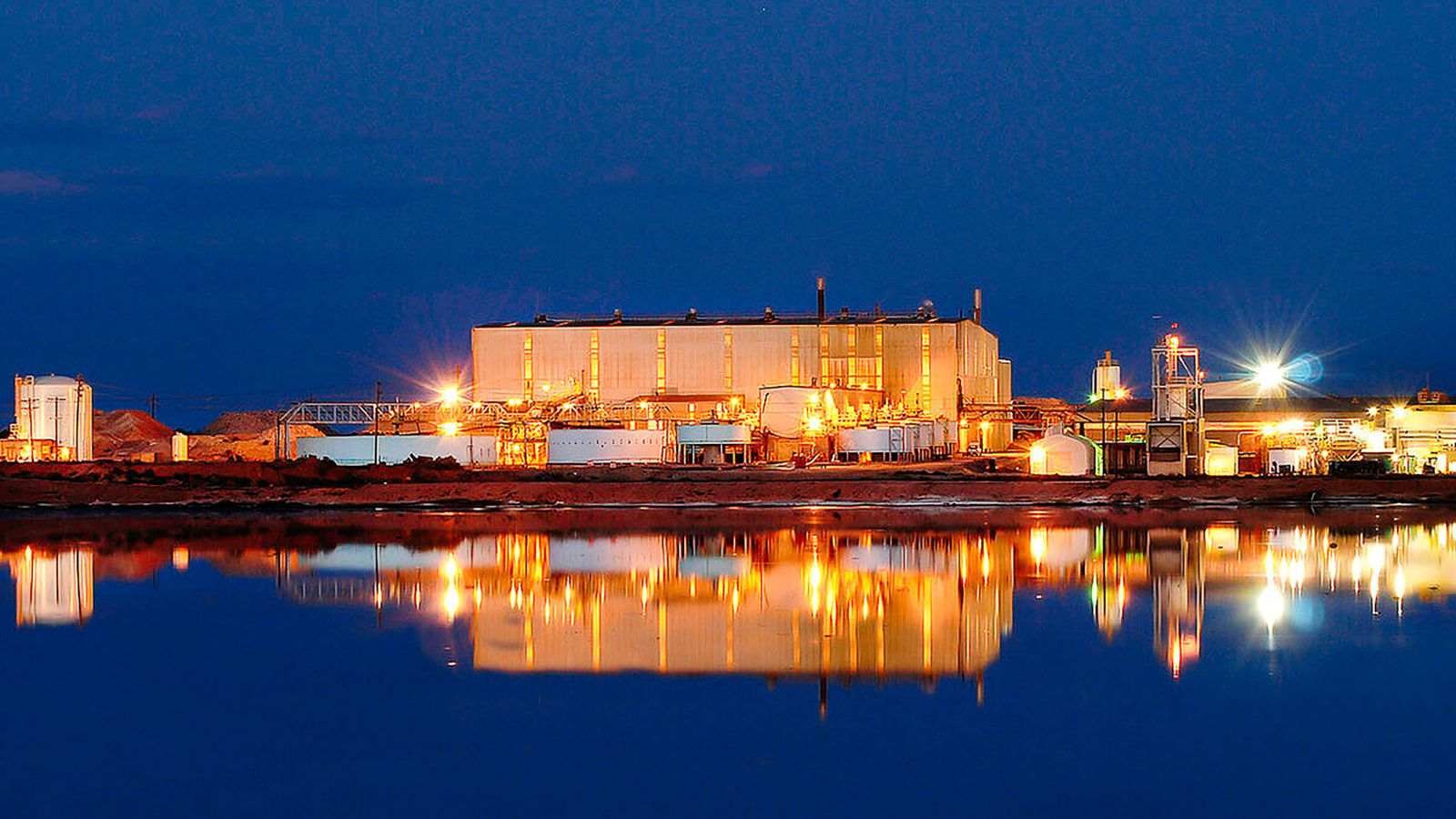
The reduction of the monument boundaries opens access to several uranium and vanadium districts that the company had been targeting for years. These include the White Canyon and Elk Ridge areas located west of Blanding, Utah. Ore from these districts would be transported to the White Mesa facility, which is the only conventional uranium mill operating in the United States. Energy Fuels had previously stated in a 2017 letter to the Trump administration that the monument could affect its mill operations and noted that deposits within the original boundaries could provide valuable mineral resources.
Recent Financial and Legislative Gains
The company has also benefited from recent legislative and financial developments in Utah. Two Utah laws that took effect in May 2026 now fast-track permits and fund critical mineral processing for the company's existing mill. Additionally, on June 18, 2026, Energy Fuels secured a $725 million loan from the Defense Department's Office of Strategic Capital, which was the largest issued by that office at the time. Two weeks after the monument reduction was finalized, the company began breaking ground on a mill expansion.
Environmental and Tribal Concerns
The investigation also addresses the environmental impact of the White Mesa facility, located a mile from the former monument boundary. House lawmakers described the facility as a site that has become a radioactive dumping ground, storing more than 700 million pounds of toxic material in outdated, single-liner pits. They noted the site has taken in waste from Superfund sites, the Manhattan Project, and foreign countries, posing threats to groundwater and nearby tribal communities.
Immediate Surge in Mining Claims
Following the administration's reduction of the monuments, immediate efforts were made to secure mining interests in the newly available lands. As reported by Earthjustice, Kimmerle Mining filed seven mining claims with the San Juan County Recorder's Office on July 14, 2026, just one day after the monument's reduction. Later, on August 6, 2026, Craig Rosequist filed two mining claims in Kane County in areas cut out of the monument by the proclamations.