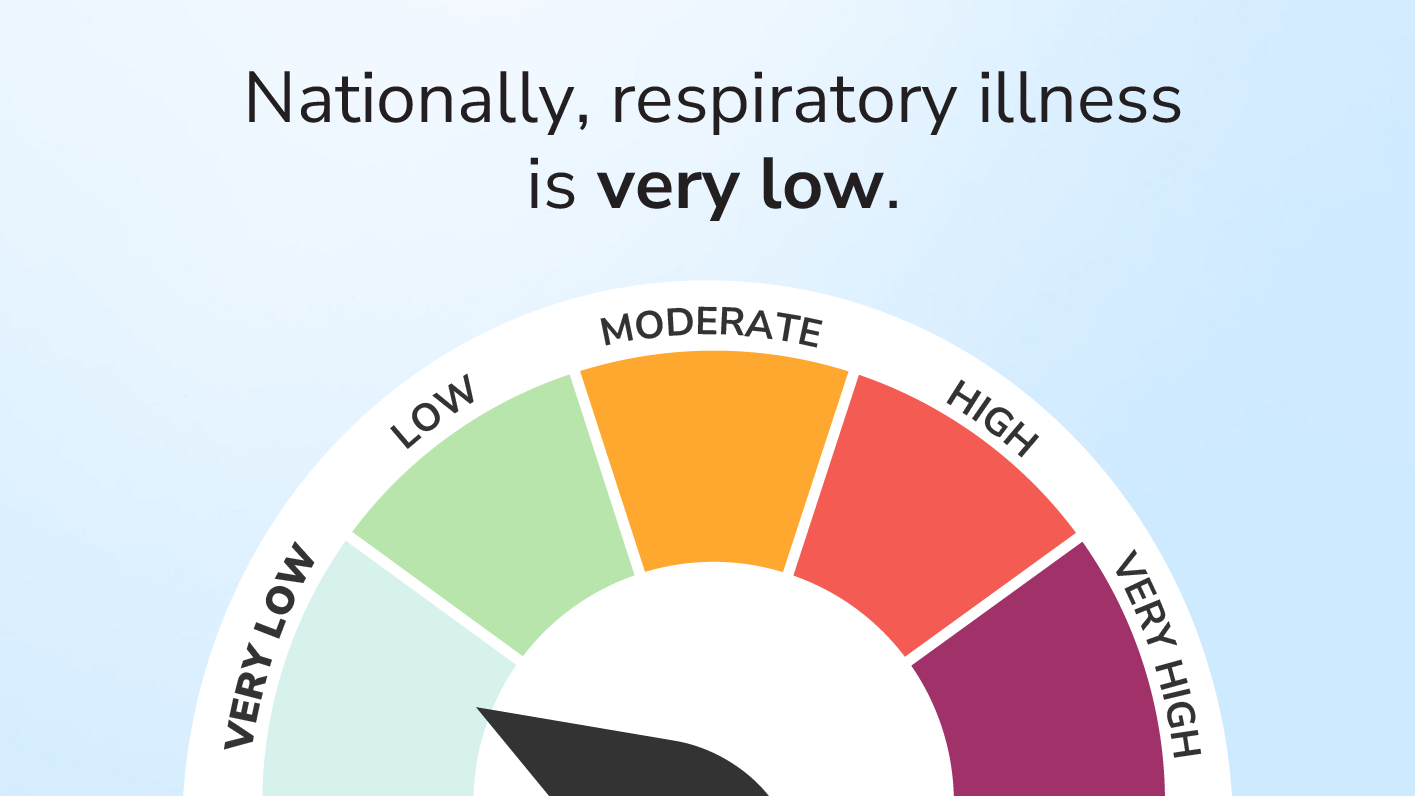
National and regional COVID-19 activity is on the rise as of August 21, 2026, though the Centers for Disease Control and Prevention reports that the amount of acute respiratory illness causing people to seek healthcare remains very low. This increase in COVID-19 activity follows a period of declining hospitalizations, though officials warn that summer surges remain possible if new variants emerge.
### Rising COVID-19 and Seasonal Trends
As of August 21, 2026, the CDC reports that COVID-19 activity is increasing at both national and regional levels. While the virus is trending upward, the agency notes that the total amount of acute respiratory illness (ARI) causing people to seek medical care is currently categorized as very low.
This rise in COVID-19 occurs alongside other seasonal shifts. The CDC reports that Rhinovirus/Enterovirus (RV/EV) activity is increasing nationally, and Parainfluenza virus (PIV) is elevated in certain regions. These trends for RV/EV and PIV are expected for this time of year. Meanwhile, seasonal influenza activity remains low, and respiratory syncytial virus (RSV) activity is very low across most areas of the country.
Despite the increase in COVID-19 activity, the CDC has observed a general trend of declining COVID-19 hospitalizations nationally over time. However, the agency cautioned that larger increases could occur this summer, particularly if a variant that the immune system no longer recognizes becomes more common. Scenario modeling indicates that regions in the South and West, which did not experience substantial COVID-19 activity during the most recent winter months, are expected to see increases during the summer months.
### Wastewater Surveillance Insights
Wastewater monitoring provides an early signal of changes in infection levels, as it can detect viruses spreading within a community before people become symptomatic or seek clinical testing. According to the CDC, wastewater data can identify infections even in individuals who feel perfectly healthy.
Data from August 9, 2026, through August 15, 2026, is used to provide snapshots of viral activity. Wastewater monitoring for viruses like Influenza A, COVID-19, and RSV helps officials understand community-level risk. High levels of virus in wastewater may indicate a higher risk of infection in a specific area.
In Utah, the Wastewater Surveillance System has been operational for a significant period. The system has undergone several technical transitions to ensure data accuracy. For example, on November 14, 2024, the SARS-CoV-2 assay was moved to a new, single gene target. Prior to that date, all SARS-CoV-2 data were based on the combined results of two different gene targets. Parallel testing showed that concentrations based on the previous method were almost exactly half the value of concentrations based on the new method, and historical data has been divided in half to maintain comparability.
Additionally, on February 28, 2024, the quantification process for wastewater samples moved from a qPCR process to a droplet digital PCR (ddPCR) process. While results are often similar, health officials recommend caution when interpreting or combining data from before and after that date.
### Measuring Respiratory Illness
The CDC tracks respiratory virus activity using the Acute Respiratory Illness (ARI) metric. This metric categorizes the percentage of emergency department (ED) visits into five levels: Very Low, Low, Moderate, High, and Very High. This classification helps the public understand the extent of illness in their specific area.
Key indicators used in this tracking include the percent of laboratory tests that are positive for SARS-CoV-2, influenza, and RSV. An increase in the percentage of positive tests serves as a useful warning alongside emergency department and hospital data. Currently, emergency department visits for COVID-19, flu, and RSV are categorized as very low.
Other respiratory illnesses, such as Mycoplasma pneumoniae (walking pneumonia), are also monitored. As of the August 21, 2026, reporting, levels of Mycoplasma pneumoniae are low in most areas of the United States. The CDC also continues to monitor Pertussis (whooping cough), which continues to circulate at lower levels compared to post-pandemic peaks.
### Risk and Prevention
While current activity levels for most respiratory viruses are low, the CDC notes that viruses like Rhinovirus/Enterovirus and Parainfluenza can cause infections leading to cough, fever, nasal congestion, and shortness of breath. Severe infections from these viruses may progress to bronchitis or pneumonia. Because there are no vaccines available for RV/EV or PIV, the CDC recommends prevention measures such as hand washing, cleaning surfaces, and staying home when sick.
For highly contagious diseases like whooping cough, vaccination remains the best way to prevent complications, particularly for babies under one year of age who are at the highest risk of severe disease. For COVID-19, RSV, and influenza, the CDC encourages individuals to consult with a doctor or pharmacist regarding recommended vaccinations to protect themselves and their communities.
### Monitoring and Data Updates
The Utah Wastewater Surveillance System and the CDC both provide regular updates to their dashboards. Wastewater data is typically updated twice per week—often on Tuesdays and Fridays—to reflect samples collected earlier in the week. These updates allow for a continuous view of how viruses like SARS-CoV-2 and influenza are moving through communities.
By tracking these trends through multiple methods—including wastewater, emergency department visits, and laboratory test positivity—public health officials can better identify patterns and provide timely warnings regarding the spread of respiratory infections.