Utah communities are experiencing steep water cuts as a brutal Colorado River drought impacts the region, according to a September 20 report from the Salt Lake Tribune. During a meeting of the Upper Colorado River Commission on Monday, September 22, 2026, officials from Upper Basin states discussed the damage from the record drought year and shared plans for future action.
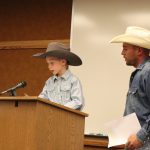
In Emery County, the Ferron Canal and Reservoir Company had to cut water shares for farmers, the city, and the Hunter Power Plant by 75%. Ferron farmer Brooks Behling reported in August that he was only able to irrigate about half of his farm this year, with his total harvest likely reaching only 30% of normal levels. Tracy Behling, president of the Ferron Canal and Reservoir Company, stated that while the region has had lean years, this year is by far the worst.
Utah's Colorado River commissioner, Gene Shawcroft, told the commission on Monday that senior water rights holders in the Uintah Basin have also seen water deliveries cut back. Shawcroft noted that the lack of available water has been incredibly discouraging.
To address supply issues, commissioners approved ongoing water releases from Flaming Gorge through April 2027 to maintain critical elevations at Lake Powell. Chuck Cullom, director of the Upper Colorado River Commission, stated that the Bureau of Reclamation will have sent 450,000 acre-feet in additional releases from Flaming Gorge by the end of September, with another 550,000 acre-feet planned through April. Flaming Gorge is currently 70% full.
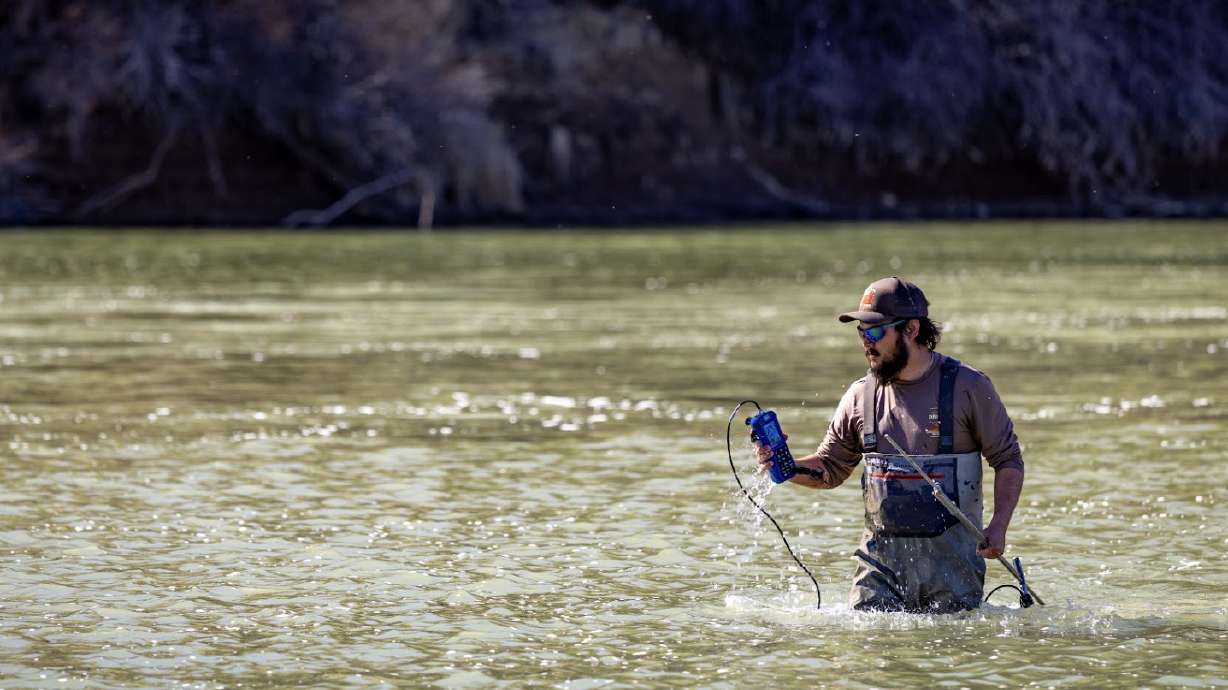
Additionally, the federal government has awarded $100 million for water conservation projects in Upper Basin states. Utah intends to use its share to transition its Demand Management Program out of a pilot phase, paying users to voluntarily send water downstream to Lake Powell. However, the Colorado River Authority of Utah reported that low water flows prevented one project from meeting its goal, sending only 900 acre-feet downstream instead of the anticipated 4,500 acre-feet.
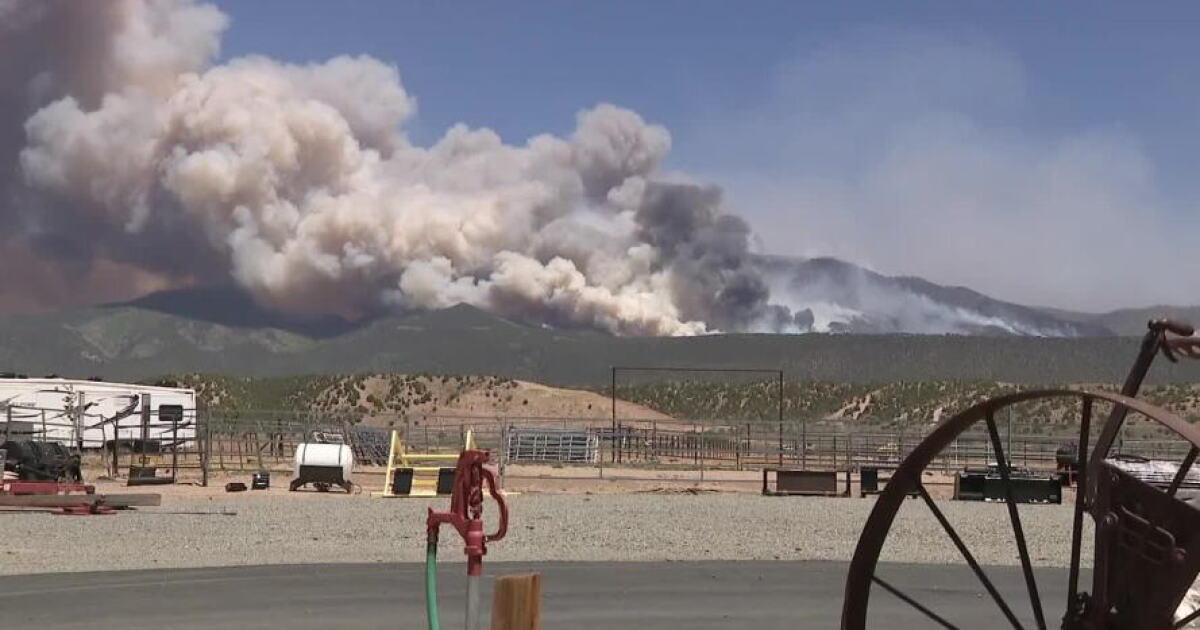
Despite discussions of future snowpack and conservation, the effects of the current drought and heat may persist. Brooks Behling noted that recovering from a drought of this magnitude can take several years.