Utah is experiencing a historic wildfire season in 2026, with researchers reporting that the state has already broken the record for the amount of wooded and forested acres burned in a single year. This unprecedented ecological impact follows a period of growing fire intensity, including a 2025 executive order signed by Governor Spencer Cox to strengthen state wildfire preparedness and coordination among agencies.
University of Utah geographers have determined that flames have blackened a record 285,000 acres of woodlands and forest so far this season. This total surpasses any previous year in the state's recent history, even though the 2026 season has not yet overtaken the 2007 record for total acreage burned across all land cover types.
Phil Dennison, a professor in the University of Utah's School of Environment, Society & Sustainability, noted that the current season is characterized by an unusual concentration of large-scale forest fires. According to Dennison's analysis, Utah has had three individual fires that each burned more than 60,000 acres of trees, a phenomenon that has never occurred before in the state.
To put this in context, Dennison noted that there have been only seven fires since 1986 that have burned more than 60,000 acres of combined woodland and forest. This trend highlights a shift in fire behavior, as 27% of forest and 20% of woodland burned since 1986 has occurred within just the last three years.
The current season has been defined by several massive incidents that have pushed the state toward new extremes. The Babylon fire, which burned more than 100,000 acres in San Juan County, drove Utah past its previous record for the amount of mid-elevation woodland acreage burned in a single season.
Additionally, the 97,000-acre Cottonwood fire, which spanned the Tushar Range, destroyed more than 150 structures around Eagle Point Resort east of Beaver. This fire has pushed Utah near its record for high-elevation forests burned in a single season. The intensity of the Cottonwood fire was highlighted on June 23, 2026, when its radiative power reached 180 gigawatts, the highest recorded from a Utah fire.
In Millard and Sevier counties, the lightning-caused Widemouth 2 fire has scorched approximately 85,000 acres since July 27, 2026. As of August 4, 2026, the Great Basin Complex Incident Management Team assumed command of the Widemouth 2 fire to manage the active incident.
Atmospheric scientists are also monitoring the extreme weather phenomena generated by these massive fires. Derek Mallia, an atmospheric scientist, reported that the Babylon fire unleashed a plume on July 6, 2026, that climbed 11.5 kilometers above the ground, penetrating the stratosphere.
Such plumes are known as pyrocumulonimbus, or pyroCb, and the height reached by the Babylon fire may be among the highest such clouds ever recorded over a Utah wildfire. These intense fires can generate their own unstable weather, including lightning strikes and high winds, which can further fuel the fire's progression.
The current crisis follows years of efforts to manage human-caused ignitions. The Utah Division of Forestry, Fire and State Lands has previously seen success with the Fire Sense campaign, which was launched to raise awareness regarding human behavior's impact on wildfires.
In 2020, Utah experienced an unprecedented high fire year due to ongoing drought conditions, recording 1,143 human-caused wildfire starts that burned over 100,000 acres. Following that year, the Fire Sense campaign was established with funding from the Utah State Legislature and support from Governor Spencer Cox.
The campaign has been highly effective, with the Utah Division of Forestry, Fire and State Lands reporting a 60% reduction in human-caused wildfire starts during the first two years of the initiative. The success of the campaign was recognized on September 20, 2023, when it was honored with the bronze level of the Smokey Bear award by the US Forest Service, the Ad Council, and the National Association of State Foresters.
Despite the success of prevention campaigns, the scale of the 2026 fires has prompted significant state-level action. On April 21, 2025, Governor Spencer Cox signed Executive Order 2025-02 to enhance Utah's wildfire preparedness and improve coordination among state, local, and federal partners.
This order established a new Working Group on Wildfire Management, composed of leaders from key state agencies, tasked with identifying high-risk areas and submitting recommendations to the governor. State Forester and Director of the Division of Forestry, Fire and State Lands Jamie Barnes noted that the order aims to reduce risks to watersheds and landscapes and strengthen overall preparedness.
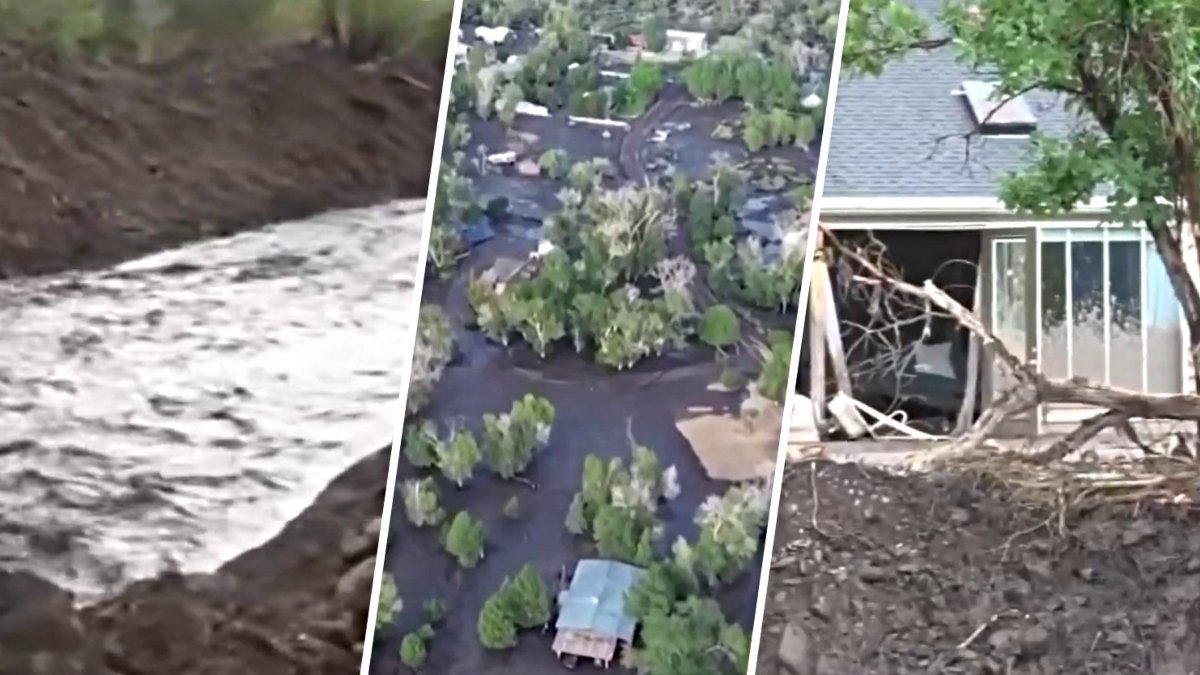
The order also addresses the significant post-fire risks that follow major burns, such as flooding and debris flows. These risks were evidenced by the Cottonwood fire last month, which raised the potential for flash flooding in the area.
As of August 7, 2026, the National Interagency Fire Center reported that 95 new fires were reported nationwide, including 13 new large fires. Firefighters are currently working to contain 95 large fires across the country, with 30,132 personnel assigned to incidents nationwide.
In the United States, 45,502 wildfires have been responded to so far in 2026, burning more than 5.6 million acres. National firefighting resources remain heavily committed as agencies prioritize resources based on risk and firefighter safety. Predictive services have issued fire behavior advisories for Southwest Idaho and Eastern Nevada/Central Utah due to hot, dry, and unstable air masses building across the West.
While the current fire season presents a grim picture for Utah's ecosystems, researchers note that wildfires can offer certain ecosystem benefits when they occur in the right place and size. Fire can help clear fuels from overgrown forests and reinvigorate species like aspen and Gambel oak.
However, the scale of the 2026 season remains a major concern for the state. With several weeks remaining in the fire season, and the current fires having already blackened a record amount of woodland and forest ecosystems, officials urge residents to remain vigilant and use available resources to prepare for potential emergencies.