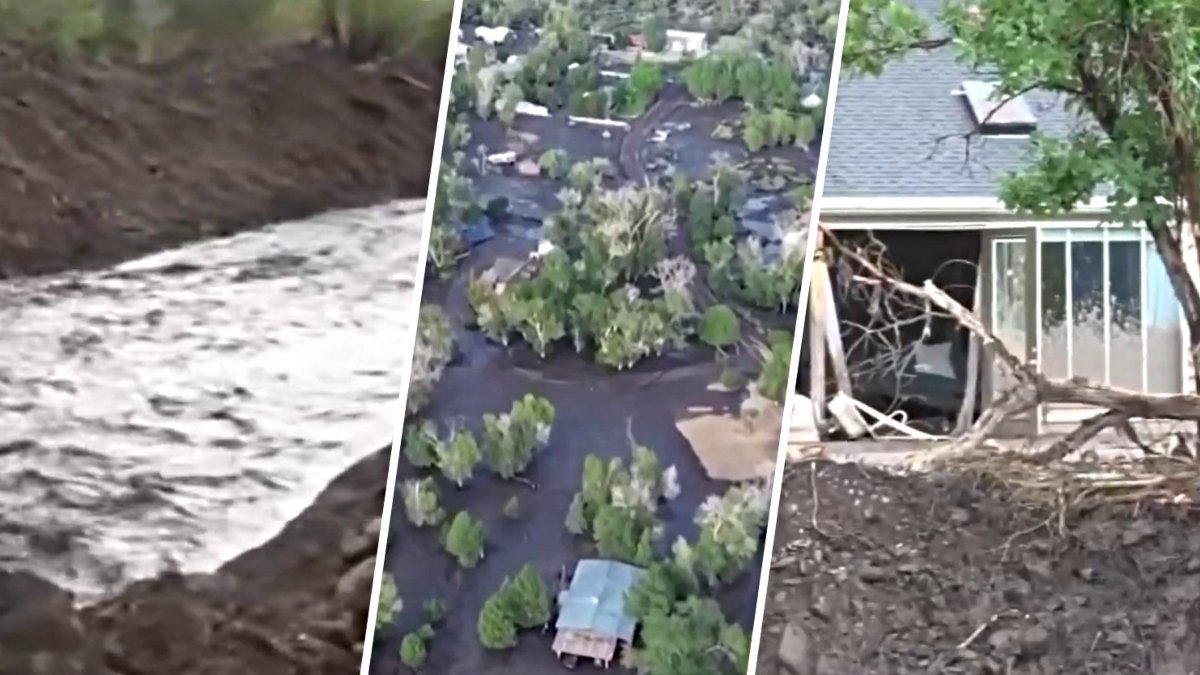
Water service has been partially restored to a section of the Grove area in Beaver, but city officials warned Friday that all culinary water remains unsafe for consumption. The restoration applies only to the portion of the grove north of the river, as residents continue to face contamination risks following recent flooding.
Partial Service Restoration
In a social media update posted Friday, Beaver City announced that while water has been pressurized in the section of the grove located north of the river, significant safety precautions remain in place. The city emphasized that despite this partial restoration of service, all culinary water users must continue to boil their water until further notice.
The directive follows a period of intense instability for the local utility. While some pressure has returned to specific geographic zones, the underlying safety concerns regarding the city's drinking supply have not been resolved by the return of flow.
Initial Flood Contamination
The recent water instability began with an emergency alert issued on July 19, 2026. At that time, the GovOneStop system issued an extreme law enforcement warning stating that Beaver City's culinary water system had been contaminated due to flood impacts.
During that initial emergency period, officials issued a strict directive: do not drink the water. The alert specifically warned that boiling the water would not make it safe for consumption and instructed residents to use bottled water only for drinking, cooking, brushing teeth, and providing water for pets. This warning was effective from 5:18 p.m. through 9:18 p.m. on July 19.
Failing Water Quality Grade
Data regarding the long-term health of the Beaver City Water System indicates significant ongoing challenges. According to records from TapWaterData, the utility's water quality grade is currently rated as 'F' for failing, reflecting significant water quality issues.
The system, which serves approximately 3,240 people in Beaver, Utah, has been identified as having five contaminants that exceed EPA health-based guidelines, known as Maximum Contaminant Levels for Goals (MCLGs). Because of these findings, the data suggests a recommendation for residents to use appropriate water filters.
Ongoing Contaminant Risks
The utility's current status highlights a discrepancy between the presence of water in the pipes and the safety of that water. While the system relies on groundwater for its supply, recent environmental impacts from flooding have compromised the integrity of the culinary system.
While TapWaterData reports no EPA Maximum Contaminant Level (MCL) violations are currently on record, the presence of five contaminants above health-based guidelines continues to drive the 'failing' grade. The utility's records also note that while PFAS monitoring is conducted and no PFAS compounds are currently above EPA guidelines, the broader contamination issues related to recent flooding remain the primary concern for local residents.
Emergency Contact Information
Residents seeking more information or needing to contact the utility can reach the Beaver City Water System emergency line at 435-438-2451, which is available 24/7 for after-hours emergencies. For general billing inquiries, the utility can be reached at 435-310-0550.
Until the city provides a formal update lifting the boil water advisory, the use of bottled water or boiled water remains the only recommended method for essential tasks involving the culinary supply.