Americans who paid tariffs on overseas purchases through shippers like FedEx and UPS could soon see refunds hit their accounts, according to a August 14 report. The refunds follow a Supreme Court ruling that struck down sweeping tariffs implemented by President Donald Trump in March 2025 under the 1977 International Emergency Economic Powers Act.
The refunds are part of a process that began in February after the Supreme Court ordered the government to return collected tariffs. So far, approximately $100 billion in tariffs has been refunded to companies through a system established by U.S. Customs and Border Protection.
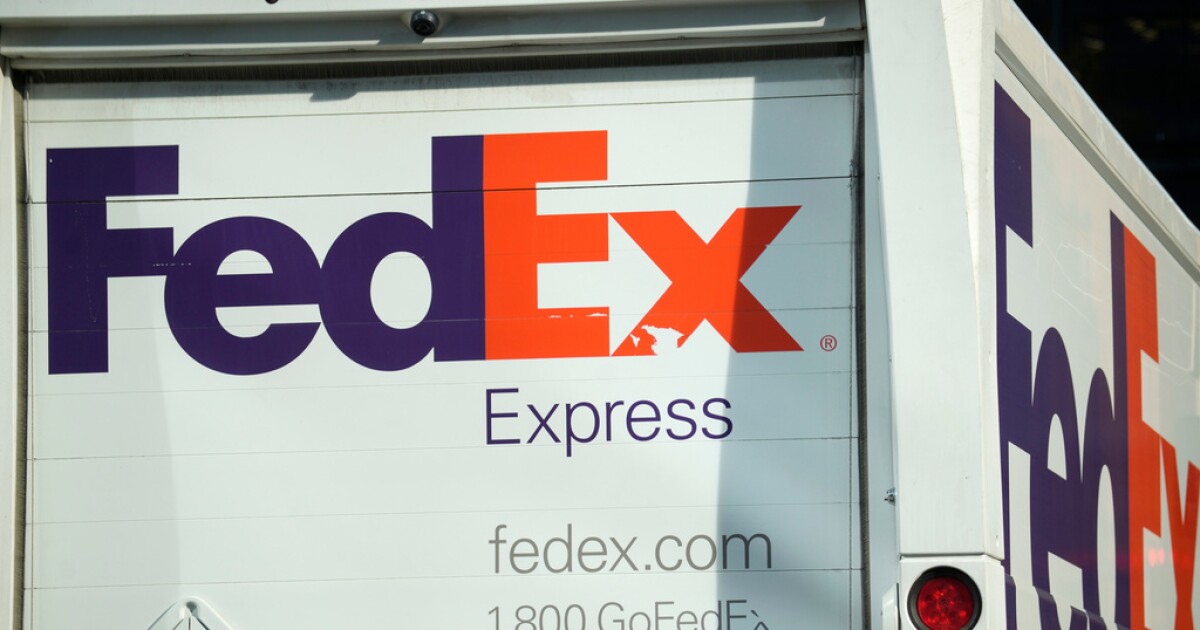
Some consumers are receiving direct refunds from shippers such as UPS, DHL, and FedEx. These refunds are being rolled out in phases based on the date they were paid. FedEx stated it has begun issuing $800 million in tariff refunds to customers. While customers do not need to apply, they can use tracking numbers on the FedEx website to check their eligibility.
UPS previously stated in April that it had paid $5 billion in tariffs on behalf of clients and would apply for refunds. In its first phase, the company applied for $500 million in refunds, noting customers should receive them one to three months after the company receives reimbursement from the Treasury.
DHL has filed claims for nearly all eligible shipments where it served as the importer of record and is returning received refunds. The company stated that the pace of refunds depends on how Customs and Border Protection processes claims.
Major retailers are taking a different approach to the funds. Many large retailers passed tariffs on indirectly through price increases or product lineup changes, making direct consumer refunds unlikely.
Amazon executives reported receiving $600 million in tariff refunds during the second quarter. Amazon CFO Brian Olsavsky stated that while the company absorbs some costs, it has identified limited circumstances where specific import charges are passed to customers. In those cases, the company plans to proactively contact and automatically refund affected customers; otherwise, funds will be used to lower prices.
Other retailers indicated they would use refunds to provide value to customers. Former Best Buy CEO Corie Barry stated the company would use any refunds to deliver value, and Costco CEO Ron Vachris said the company planned to return tariffs in some form, depending on the amount and timing of received refunds.
Dozens of class-action lawsuits have been filed by customers against retailers including Costco, Nike, Amazon, and Walmart to recover tariffs paid through higher prices. Lori Leskin, a partner at Arnold & Porter, noted that these lawsuits may face difficulties because plaintiffs must prove that specific price increases were tied directly to tariffs rather than other market forces. None of these lawsuits have been certified as class actions.