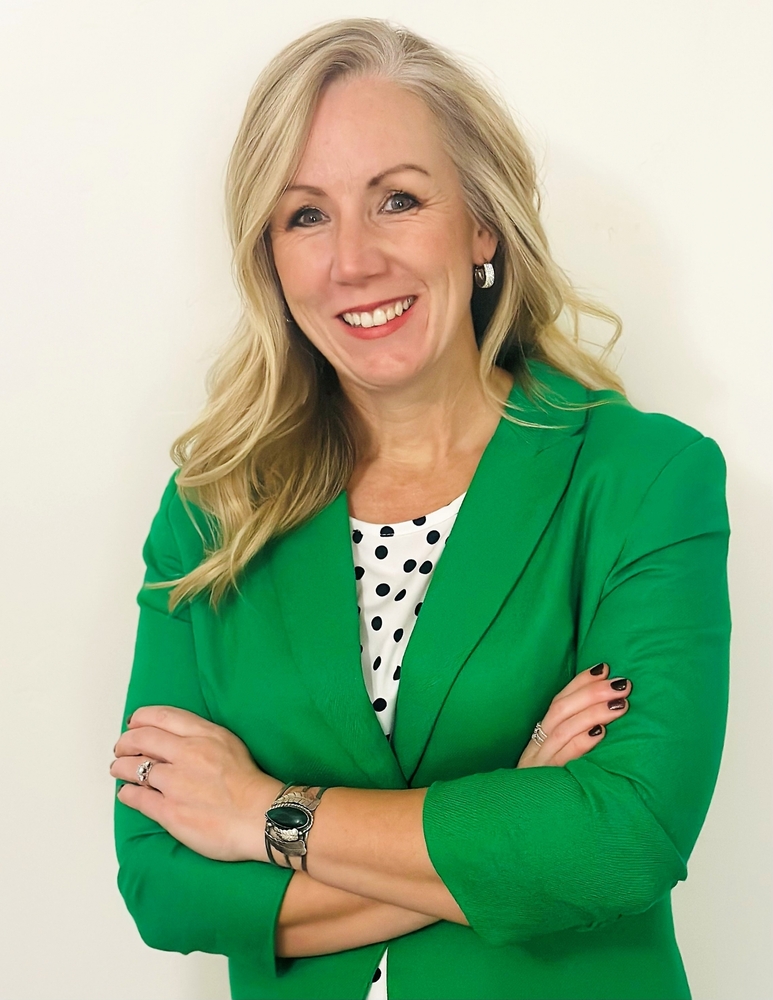
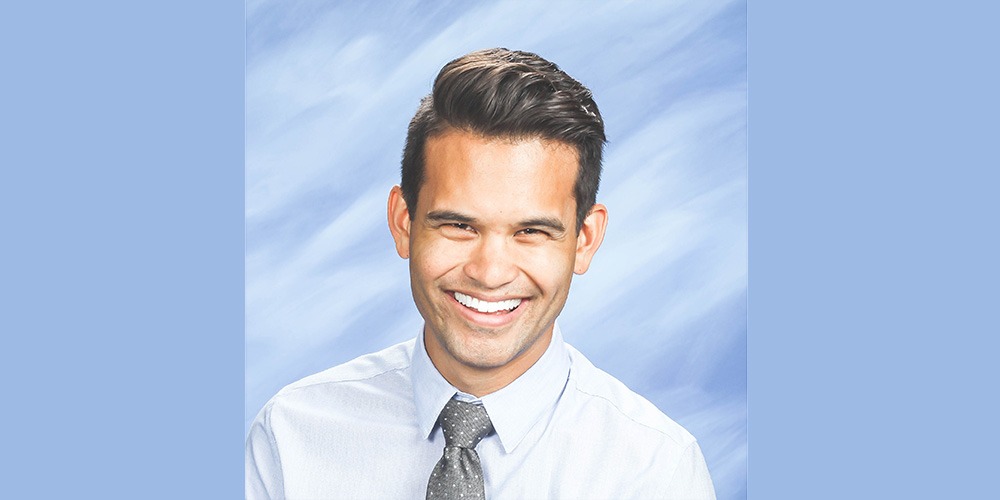
The Blanding Planning Commission serves as a municipal body responsible for various administrative and legislative actions regarding local land use and zoning. According to the commission's July 2026 meeting agenda, the group's composition includes Chair Regan Richmond, members Colby Davis, Tyler Nielson, Will McFarland, and Braden Rees, as well as a City Council Representative, Kellen Nielson.
Public meetings are a central component of the commission's work. For instance, a regular commission meeting was scheduled for July 9, 2026, at 7:00 p.m. at the City Office, located at 50 W. 100 S. Street. In accordance with Blanding City Ordinance 1-5-5-F, one or more commission members may participate in meetings electronically. Additionally, the commission provides opportunities for public input during its sessions. The July 2026 agenda notes that anyone wishing to address the Commission on any item is invited to do so, though clarifying questions from the Commission are permitted while substantive discussion is not appropriate during this specific public input period.
The commission handles a variety of administrative and legislative tasks. These include reviewing applications, such as the Andy Bayless Manufactured Housing matter or the 'The Forge' Conditional Use Permit noted in the July 2026 agenda. The commission also engages in legislative discussions, which have included topics such as tiny homes and subdivision ordinances.
Zoning amendments are another critical function of the body. A public hearing notice for March 12, 2026, detailed a proposed zone amendment where Blanding City is looking to eliminate the Mobile Home zone. According to that notice, the proposal would rezone all existing mobile home zones to either R-2 or R-1, depending on the surrounding zone. The notice further states that current manufactured homes not placed on a permanent foundation would become non-conforming uses.
Residents can engage with the commission through several channels. For matters such as the March 2026 zoning hearing, the city provides a contact, Ben Muhlestein, at the City Office, and notes that emailed comments may be sent in advance to bmuhlestein@blanding-ut.gov. For individuals requiring special accommodations during meetings due to the Americans with Disabilities Act (ADA), the city requests that they call the City Offices at (435) 678-2791 at least twenty-four hours in advance to ensure appropriate services are provided.
While the commission focuses on local Blanding matters, the broader landscape of municipal governance is managed through similar public notice processes. For example, the Utah Public Notice website lists various public bodies and upcoming notices for other municipalities, such as Vineyard, which holds public hearings regarding budgets and municipal codes.
What this means for Blanding
For Blanding residents, the Planning Commission serves as a primary venue for influencing local land use. By attending meetings or submitting emailed comments, citizens can participate in discussions regarding zoning changes and development permits, ensuring that the community's growth and residential regulations are shaped by public input and transparent municipal processes.