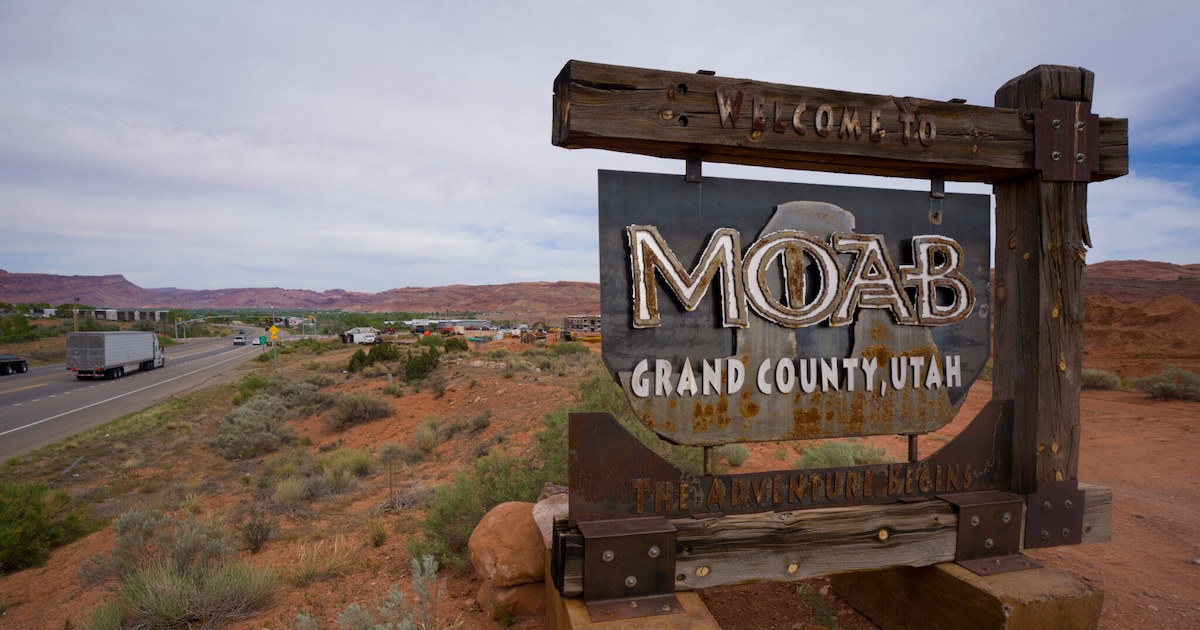
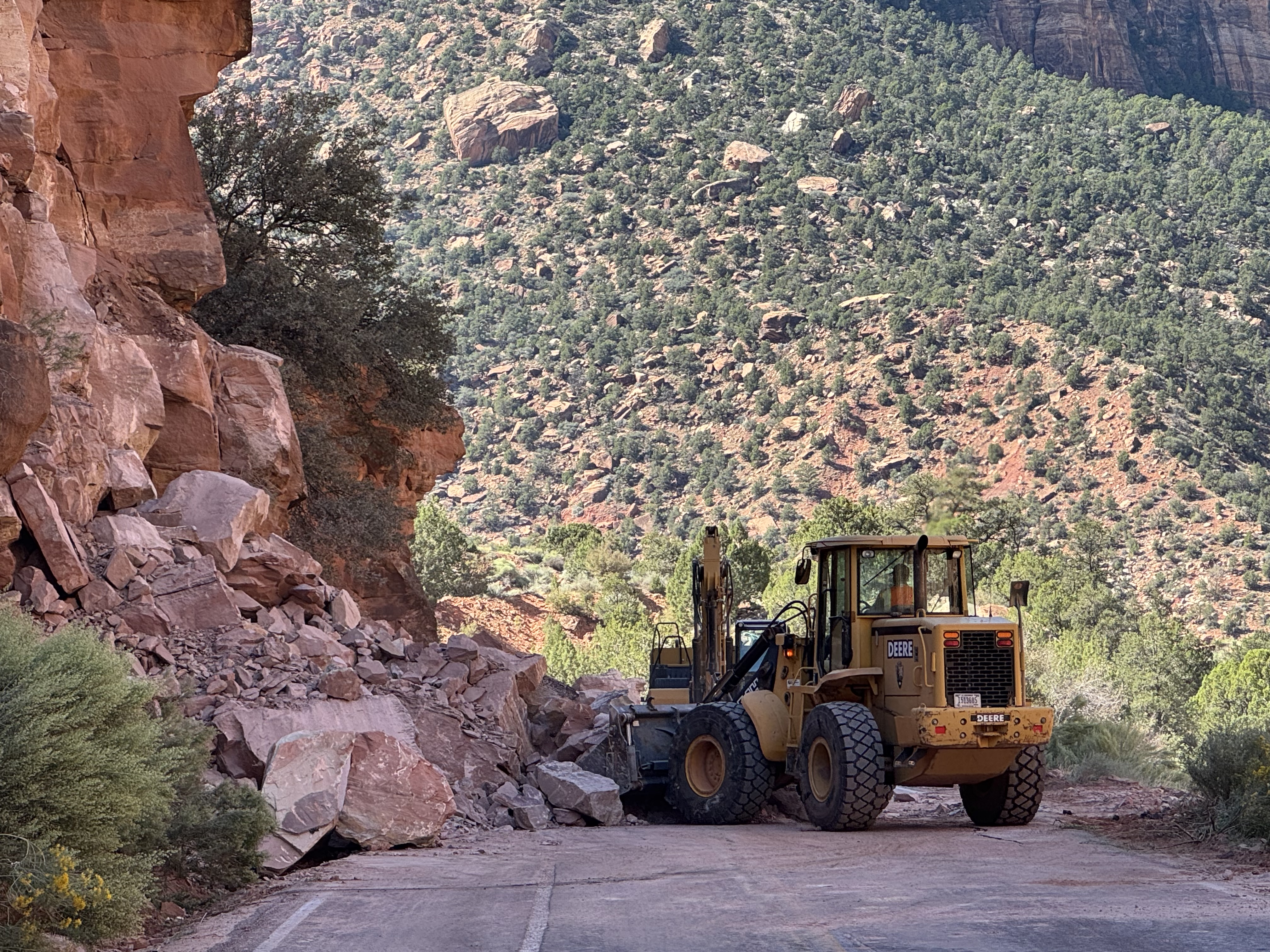
Runners competing in the 2026 Moab 240 ultramarathon faced severe weather conditions on Sunday, October 11, as remnants of Tropical Storm Rachel brought heavy rain and high winds to the region. The 241.8-mile race, which began on October 9, saw several participants withdraw from the event due to the challenging conditions, while weather officials maintained a Wind Advisory and a Flood Watch for much of the area through Monday.
A Legacy of Endurance
The grueling endurance race, which was established in 2017 to honor ultrarunner Stephen Jones following his death in a 2016 backcountry skiing accident, has faced its share of environmental challenges since its inception. According to Wikipedia, the inaugural race drew significant attention when Courtney Dauwalter won the event outright, finishing over ten hours ahead of the next competitor. The race is part of the Triple Crown of 200s, alongside the Tahoe 200 and Bigfoot 200 races.
As of mid-afternoon on Sunday, October 11, live tracking data indicated that several runners had been marked as a scratch from the competition. Participants including Madeline Brady, Mike Hadley, Josh Harris, Jonathan Jaworski, Tina Anderson, and Emmanuel Estrada were all listed as having withdrawn from the race. Meanwhile, other runners continued to move through the course, with Oliver Hinz, Amelia Griffith, Leah Williams, and Ramesh Byanjankar all tracked at the 242.3-mile mark as of 2:39 PM MDT.
Storm Remnants Drive High Winds
The weather conditions contributing to the difficult race conditions were driven by the remnants of Tropical Storm Rachel. The National Weather Service Grand Junction reported that as the remnants of the tropical cyclone transitioned into an extra-tropical system, increasing wind gusts and wet weather were expected to drive the forecast through the overnight hours. On Sunday, October 11, a Wind Advisory was in effect for the Northern Wasatch Front, Salt Lake Valley, Utah Valley, and Wasatch Back, with gusts expected to reach 20 to 30 mph and as high as 55 mph. Additionally, a Wind Advisory was in effect through 6 AM Monday for parts of eastern Utah and western Colorado, with potential gusts exceeding 58 mph in higher terrain.
Flood Risks and Rainfall
In addition to the wind, a Flood Watch remained in effect through Monday afternoon for a wide range of Utah locations, including the Salt Lake Valley, Utah Valley, and the Wasatch Mountains. The National Weather Service warned that flooding caused by excessive rainfall continues to be possible, particularly in areas with recent burn scars, such as Rocky Canyon. The moisture from the remnants of Tropical Storm Rachel is expected to produce a prolonged rainfall event across northern Utah, potentially causing extensive street flooding and flooding of creeks and rivers.
Complex Course Logistics
The 2026 course, which includes an elevation gain of approximately 31,892 feet and an elevation loss of 31,892 feet, presented unique challenges this year. According to a course preview by Jameson Collins, head trail marker for Destination Trail, the 2026 route included several specific changes and requirements. This included a new three-liter minimum water carry out of Base Camp and a one-liter maximum top-off at the Lockhart water stop. The course also features a construction detour in the final section, requiring runners to come down through Sand Flats and the Falcon Flow trail before finishing in downtown Moab.
Navigating BLM Lands
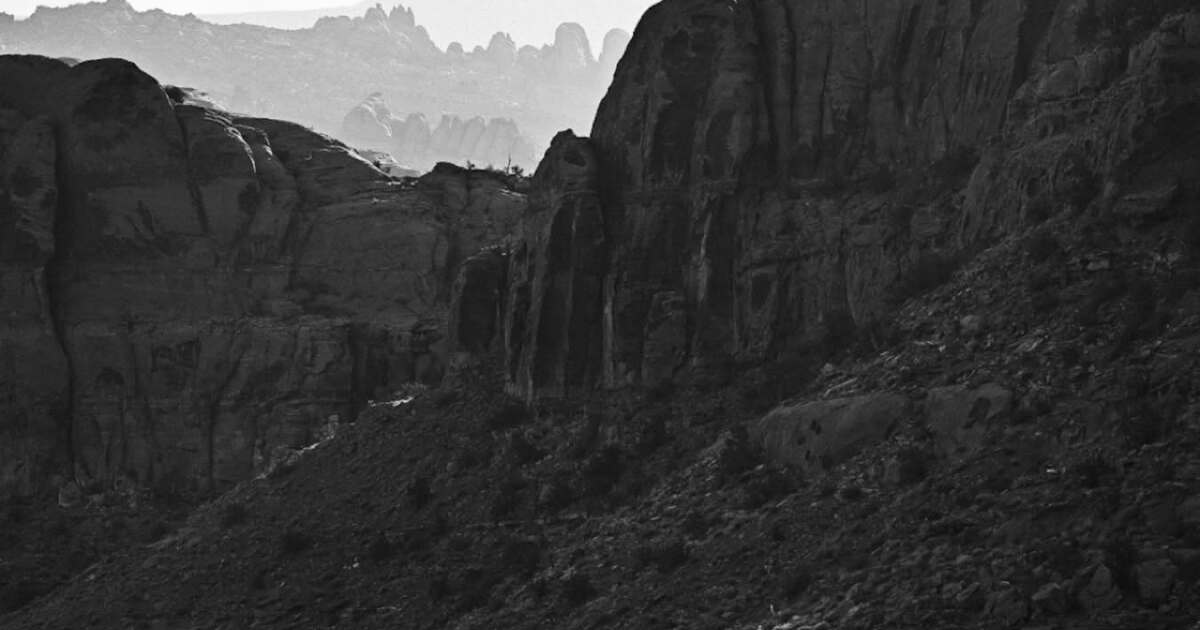
The race traverses diverse landscapes administered by the Bureau of Land Management, including areas managed by the Monticello Field Office. This office oversees nearly 1.8 million surface acres, ranging from the San Juan River to the cliffs of Indian Creek. The terrain includes desert, canyon country, slick rock, and mesa landscapes, often passing through areas like the Abajo and La Sal mountain ranges. The BLM emphasizes that preparation is the best tool for anyone visiting these public lands, especially when navigating the technical terrain and extreme weather typical of the region.
Forecast Outlook
As the race moves into its final stages, meteorologists anticipate that wet weather will continue into the new week. The National Weather Service reported that while flooding is possible, confidence in widespread flooding is not high. However, the region may see its first widespread shot of snow for the season by Wednesday, with snow levels dropping to between 8,000 and 10,000 feet at pass level. This shift in weather follows the surge of tropical moisture that has impacted the high-desert endurance event.