The Trump administration has begun removing signage from the Grand Staircase-Escalante and Bears Ears National Monuments, a move conservationists say follows a recent presidential order to slash nearly three million acres from the protected landscapes. The removal of physical markers and tribal seals follows a July 13 proclamation that significantly reduced the boundaries of both monuments in Utah.
Removal of Monument Signage
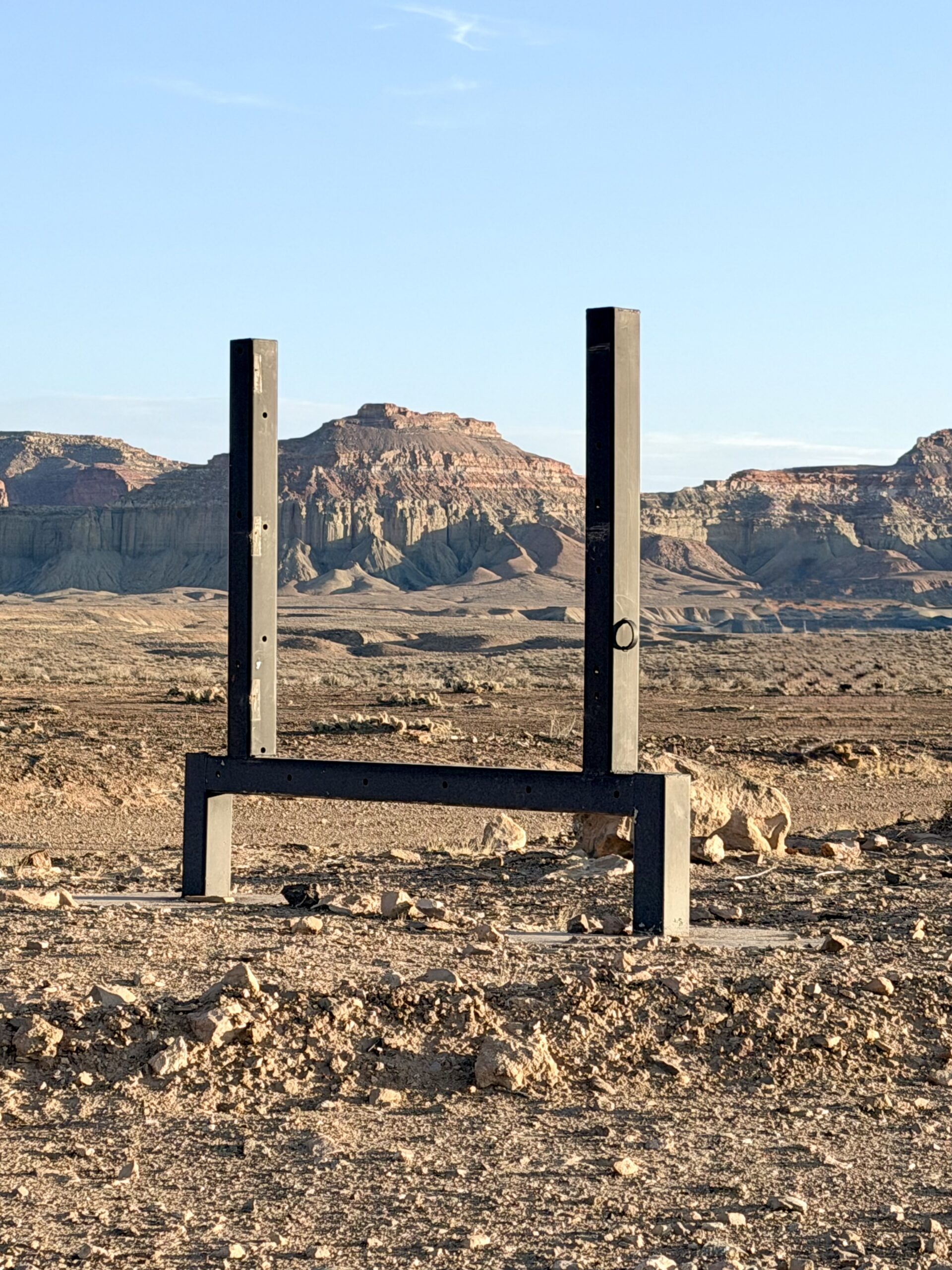
The Bureau of Land Management (BLM) has actively worked to dismantle the visual presence of the monuments in recent days. At Bears Ears National Monument, the agency began by removing the tribal seals that represent the five tribes of the Bears Ears Commission, later escalating to the total removal of the monument signs themselves. By Tuesday, July 28, signage for the Grand Staircase-Escalante National Monument had been taken down at at least five different gateway locations.
Impact on Public Safety and Awareness
The removal of these signs carries significant practical and cultural implications. The markers serve as essential navigational tools and safety indicators for visitors, communicating that these areas are protected landscapes containing over a hundred thousand ancestral cultural sites. Conservationists argue that the absence of signage, combined with the administration's reduction of over three million acres, will create confusion and uncertainty for visitors and local communities.
Erasure of Tribal Stewardship
The removal of the tribal seals at Bears Ears is being viewed by advocates as a direct strike against tribal co-management. The seals represented the formal role of the five Commission Tribes in the collaborative stewardship of their ancestral homelands. While the administration's actions dismantled the existing framework for tribal co-stewardship, conservation groups noted that the removal of a roadside sign does not change the tribes' enduring connection to the living cultural landscape.
History of Monument Reductions
The current administration's actions follow a previous attempt by the first Trump administration in 2017 to reduce the boundaries of both monuments, a move that was widely challenged in federal court. On July 13, 2026, President Trump signed two new proclamations to dramatically shrink the boundaries of the Utah monuments. The National Parks Conservation Association (NPCA) characterized the order as an illegal betrayal of the American people and an assault on the foundation of the National Park System.
Legal Challenges Imminent
The National Parks Conservation Association and other advocacy groups have vowed to challenge the rollbacks in court. Tiernan Sittenfeld, President and CEO of the NPCA, stated that no president has the authority to erase or shrink a national monument with a stroke of a pen. Similarly, Thomas Delehanty, a senior attorney with Earthjustice's Rocky Mountain Office, stated that the administration's intent to destroy these areas through the removal of signs would be met with legal challenges, much like the 2017 revocations.
Widespread Opposition
Local and national leaders have expressed strong opposition to the administration's tactics. Steve Bloch, Legal Director at the Southern Utah Wilderness Alliance (SUWA), claimed the removal of gateway signs is a deliberate plan by the administration, Senator Lee, Senator Curtis, and Governor Cox to eliminate the monuments from the nation's collective memory. Other advocates, including the Sierra Club and the Conservation Lands Foundation, emphasized that while signs can be removed, the historical and cultural significance of the lands remains, and they intend to continue the fight to protect them.
Economic and Cultural Stakes
The debate over the monuments highlights a growing tension between federal management and local conservation efforts. While the administration moves to reduce protections, advocates argue that these landscapes are vital for tourism and the livelihoods of gateway communities, including guides, outfitters, and restaurants that rely on the certainty of protected public lands.