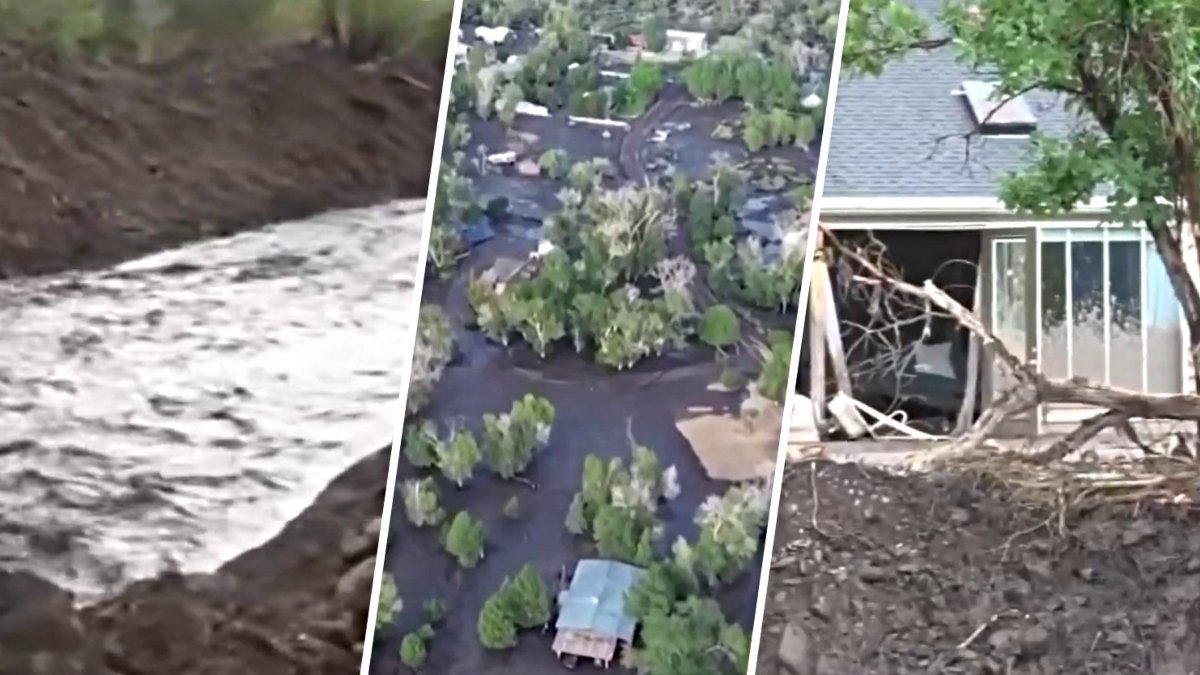
Beaver County and the City of Beaver declared states of emergency this week after intense monsoon rains triggered devastating flash floods, causing a massive landslide on State Route 153 and forcing the temporary closure of Interstate 15. The flooding, fueled by heavy rainfall on the Cottonwood Fire burn scar, has compromised local water supplies and left critical transportation corridors heavily damaged.
Emergency declarations and rainfall impact
The emergency declarations followed a series of severe weather events that began over the weekend. The Beaver City Council approved a local state of emergency on Monday night, and Beaver County officials followed with a county-level declaration on Tuesday after an emergency meeting. According to Telemundo Utah, these declarations are intended to grant the city and county access to additional state and federal funds to support recovery and cleanup efforts.
The flooding was primarily driven by heavy rainfall hitting the Cottonwood burn scar east of town. On Sunday, July 19, between 1:46 p.m. and 2:31 p.m., approximately 1.59 inches of rain fell on the area, sending a wall of water down the mountain. This surge completely destroyed a diversion dam that had been in place, turning the floodwater into a raging river that flowed over banks and into the city of Beaver.
Transportation closures and highway damage
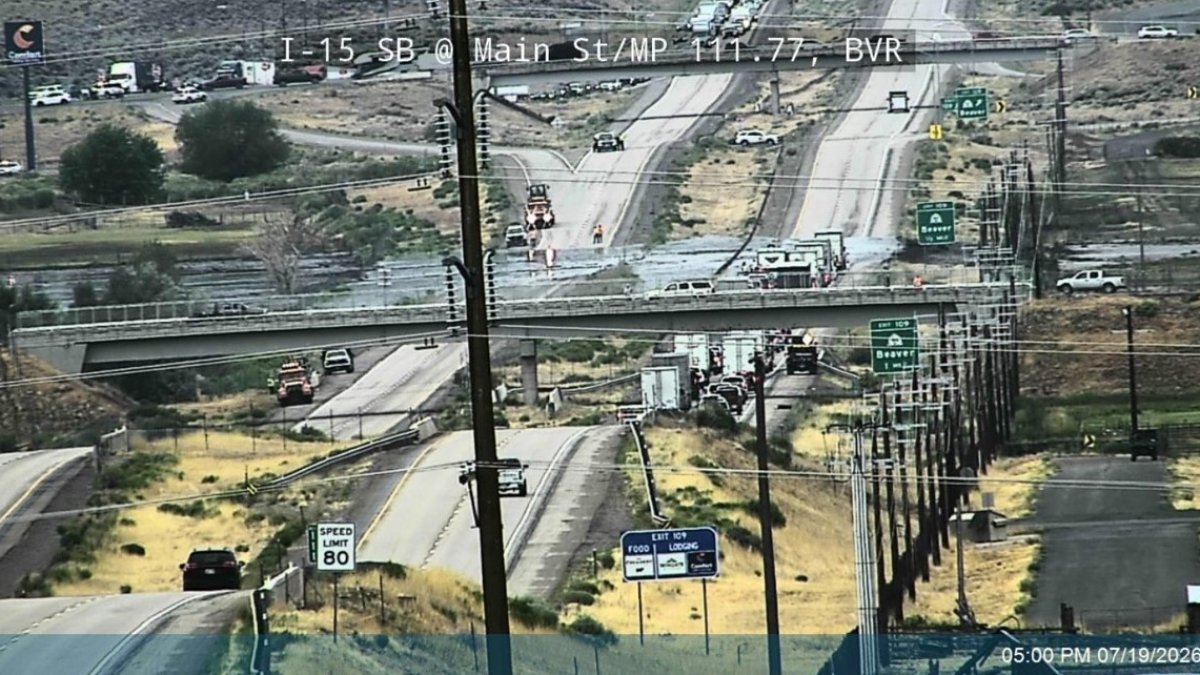
The surge of water caused significant disruption to major regional transit routes. On Sunday night, Interstate 15 was reopened in both directions following a closure that affected the stretch between mile markers 109 and 112. As Telemundo Utah reported, the closure occurred as floodwaters from the Cottonwood burn scar reached the interstate.
In addition to the I-15 disruption, State Route 153, which runs through Beaver Canyon, remains closed indefinitely. The Utah Department of Transportation (UDOT) reported that flooding had destroyed portions of the highway. Jared Beard, UDOT Region 4 Deputy Director, noted that further storms could bring more water and debris down the canyon, making both sides of the mountain unsafe. The road, which extends approximately 21 miles from Beaver to near Eagle Point Resort, has sustained damage that may take significant time to address.
Landslides and debris in regional washes
A massive landslide on Beaver Mountain has further complicated the region's infrastructure. According to footage shared by Matt Johnson of KSL, a landslide deposited huge boulders and rocks onto SR-153, leaving sections of the road completely washed out. The damage is described as devastating, with officials estimating that repairs could take several months.
Earlier in the week, on July 17, heavy monsoon rains also produced significant debris flows near Bicknell, Utah. Footage captured a leading debris plug composed of trees, rocks, and tree stumps being pushed down a dry wash leading to Sunglow Canyon. The force of the flood was strong enough to cause water to backflow into surrounding grass fields.
Water system damage and safety warnings
The flooding has also created a public health concern for Beaver residents. During a Monday press conference, Beaver Mayor Matt Robinson stated that the floods severely damaged the city's water system. As a result, officials issued an order instructing residents not to consume tap water.
Robinson told Telemundo Utah on Tuesday morning that crews are working "without rest" to repair the system and conduct testing to ensure the municipal supply is safe. Until the water is cleared for use, residents have been advised to use bottled water or boil tap water before consumption. The Mayor expressed hope that the water would be safe for consumption within 24 to 48 hours.
Ongoing weather threats and casualties
While the flooding has caused significant property damage, evacuations, and infrastructure destruction, local authorities have reported no deaths or serious injuries. However, the threat of further weather events remains high.
The National Weather Service issued a flash flood watch that remained in effect until 3 a.m. Wednesday, noting that excessive rainfall continues to threaten parts of Utah, including Beaver County. Meteorologists warned that additional thunderstorms throughout the week could bring renewed risks for flash flooding and debris flows.