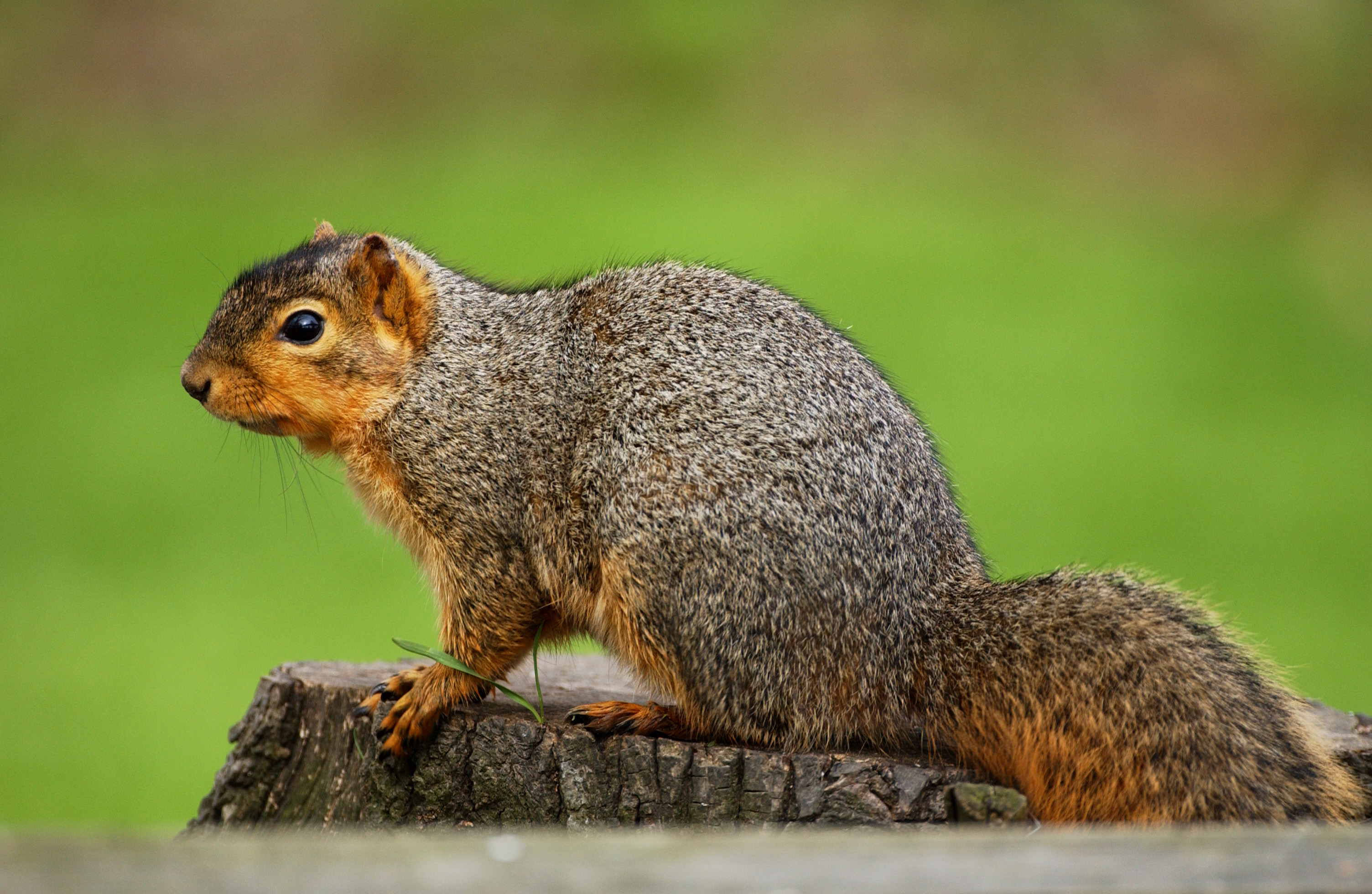
NHMU is studying Fox Squirrels—introduced to Utah and now spreading throughout northern regions—with community involvement central to understanding their growing presence in the state. The project, launched with the first report in 2011 along the Jordan River in Salt Lake City, invites residents to help track distribution and environmental interactions.
The study, led by NHMU scientists, focuses on the ecological implications of the Fox Squirrel (Sciurus niger) in Utah. Adult squirrels range from 18 to 28 inches in total length—including the tail—and feature grizzled gray-and-orange backs with undersides ranging from pale yellow to bright orange. Their tails are very bushy, bright orange, and nearly as long as their bodies, adapted for tree living and movement along power lines and fences. When startled, they escape by climbing.
Survey data will help NHMU scientists explore changing distribution patterns and environmental interactions. Observations are designed to capture data from one location in one session, with participants able to submit new forms when moving to new sites or beginning fresh observations. The project includes public observation tools, educational materials, and behind-the-scenes access, fostering community engagement.
Dr. Eric Rickart, NHMU Biologist, emphasized the importance of public participation: "We need the help of the community - that's you! - to learn more about Fox Squirrels in Utah." NHMU colleagues, including Dr. Eric Rickart and Katrina Derieg, participated in a 2023 virtual Q&A to share findings. Ellen Eiriksson, NHMU Citizen Science Manager, supports the initiative.
Fox Squirrels were first reported in Utah in 2011 along the Jordan River in Salt Lake City. They are distinct from Utah’s native American Red Squirrel and are spreading throughout northern Utah. The project is part of NHMU’s broader commitment to citizen science and local ecological monitoring.