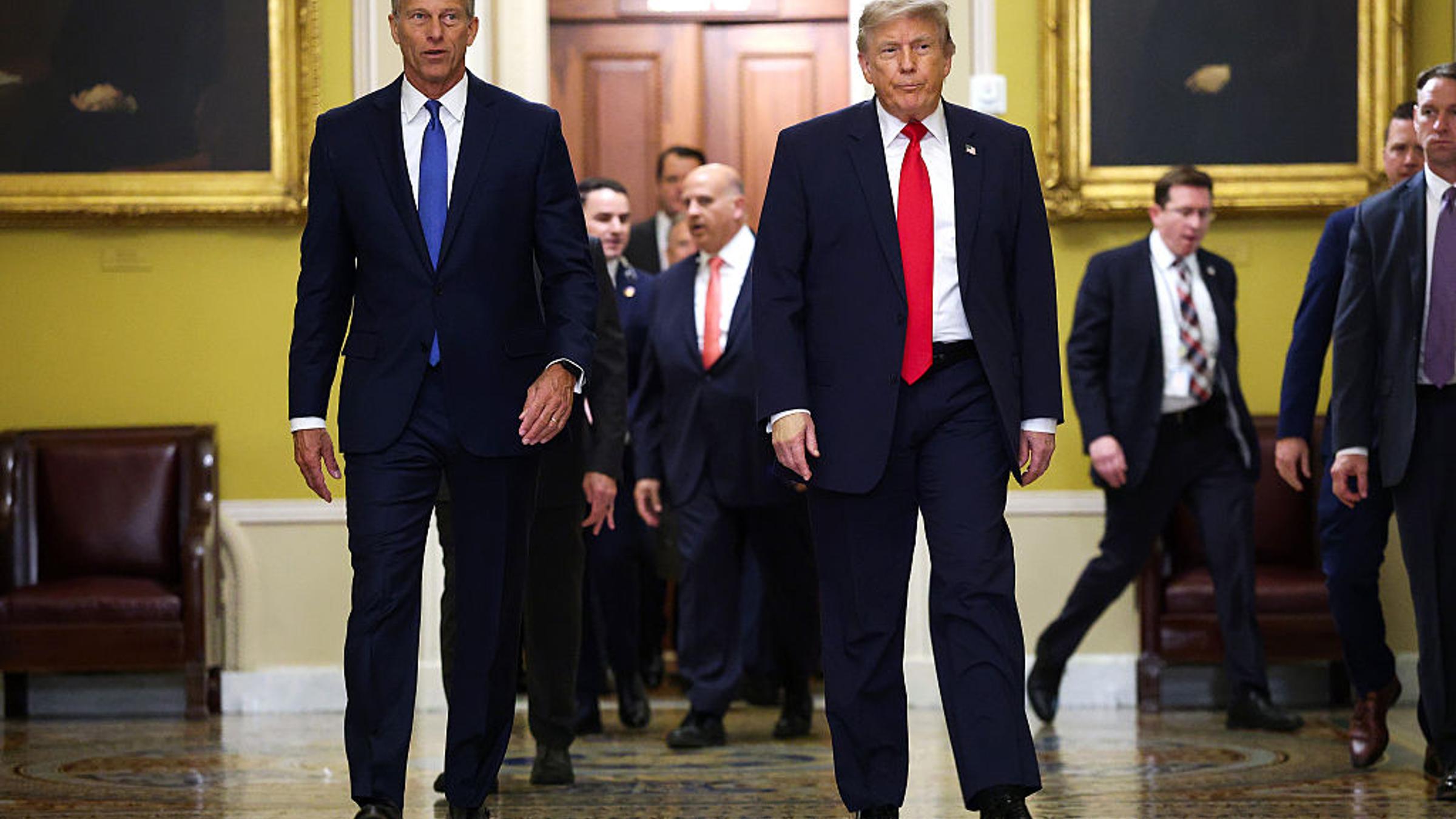
Federal agencies have begun removing tribal seals and monument signs following President Donald Trump's July 13 decision to reduce Bears Ears National Monument by 91%. The removals, which include stripping the seals of five tribal nations from remaining roadside signs, follow the recent disbanding of the Bears Ears Commission.
Removal of Tribal Seals and Signs
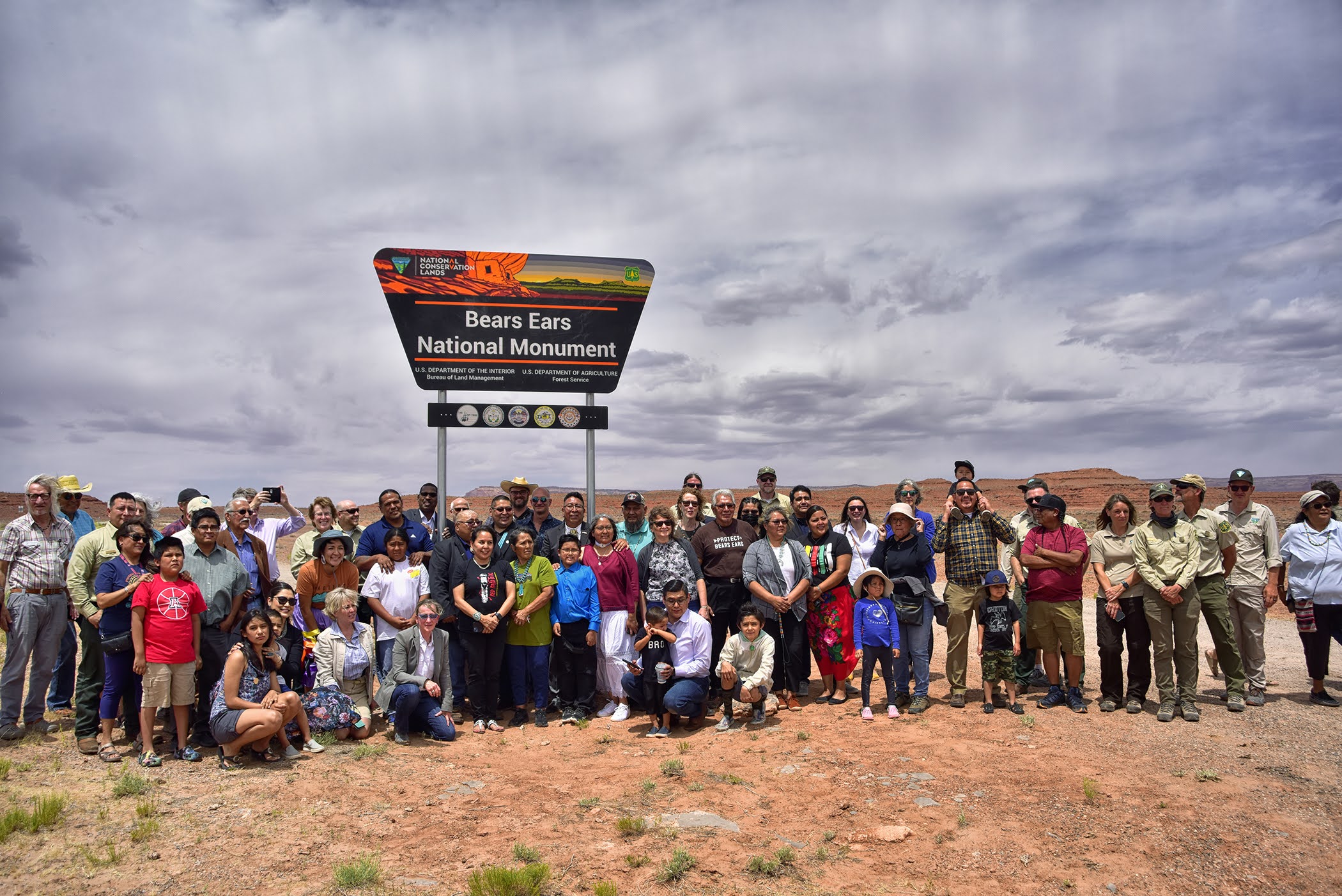
The Bureau of Land Management (BLM) confirmed in a statement to The Tribune that it has started implementing the new monument boundaries. This process includes removing signs located at the former boundary and stripping tribal seals from existing roadside markers.
On Wednesday, July 22, the BLM began the removal of seals representing five specific tribes. These seals were originally added to roadside monument signs in 2022 as part of a cooperative management agreement signed between the federal government and the Hopi, Navajo Nation, Ute Indian Tribe of the Uintah and Ouray Reservation, Ute Mountain Ute, and Zuni nations.
Impact on Tribal Relations
Davina Smith–Idjesa, co-chair of the Bears Inter-Tribal Coalition, characterized the removal of the signs and seals as the physical manifestation of the president's proclamation from last week. In a statement released Wednesday, July 22, Smith–Idjesa noted that the signs represented years of relationship-building, trust, and the hope for collaborative care between Tribal Nations and federal agencies.
The BLM addressed the removal of the seals in an email, stating that the seals served as a recognition of the Bears Ears Commission, which has since been disbanded and terminated. However, the agency noted it will continue to consult with tribal nations in accordance with applicable laws.
History of Monument Boundaries
The recent executive actions follow a long period of political instability regarding the monument's boundaries. President Trump first reduced the monument's size in 2017, while President Biden restored and expanded it in 2021. The most recent reduction, which occurred on July 13, shrank the area by 91% and dissolved the commission that previously guided management.
This commission was established by President Barack Obama when he originally designated the monument in 2016. The group consisted of representatives from the five tribes involved in the cooperative agreement.
Legal Challenges and Environmental Concerns
Environmental organizations are preparing legal battles to contest the reductions to both Bears Ears and Grand Staircase-Escalante national monuments. As KPCW reported on July 17, 2026, the recent executive order reduced the size of these monuments by over 90%.
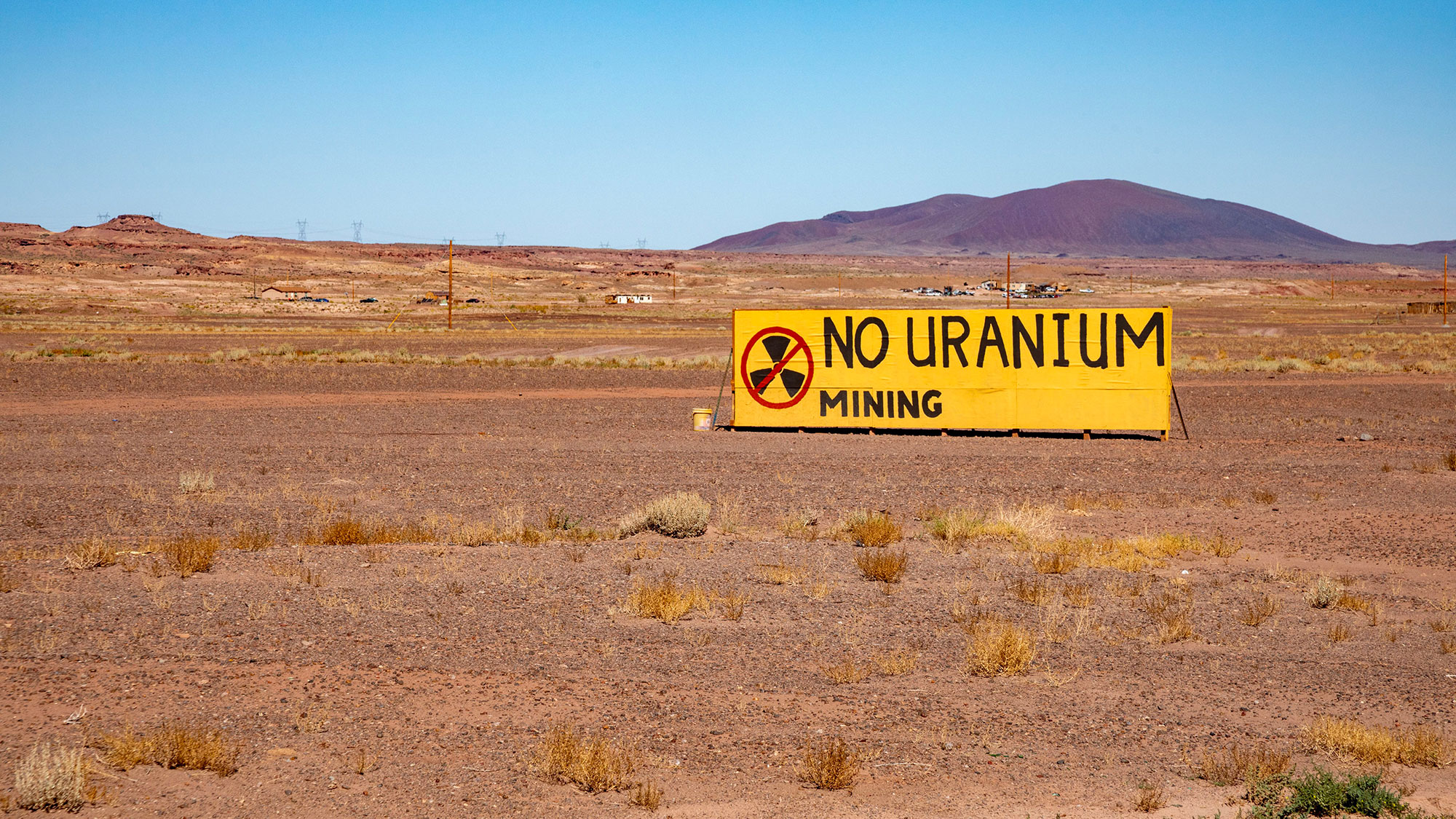
Scott Braden, Executive Director of the Southern Utah Wilderness Alliance (SUWA), stated that the Trump administration's actions were unlawful and excluded both public and tribal input. Braden noted that the reductions have left non-contiguous protected areas, which could potentially open much of the land to mining and other industrial activities.
Ongoing Resistance and Support
Protests were organized for July 20 across Utah in response to the monument changes. Despite the removal of physical markers, Smith–Idjesa stated that tribal connections to the land remain unchanged, saying, "They may be able to remove the signs and take down the Tribal seals, but they cannot erase who we are, our connection to Bears Ears, or our responsibility to protect it."
Braden highlighted that there is broad public support for the monuments, noting that over 70% of Utahns are in favor. SUWA and its partners intend to fight the reductions in court.