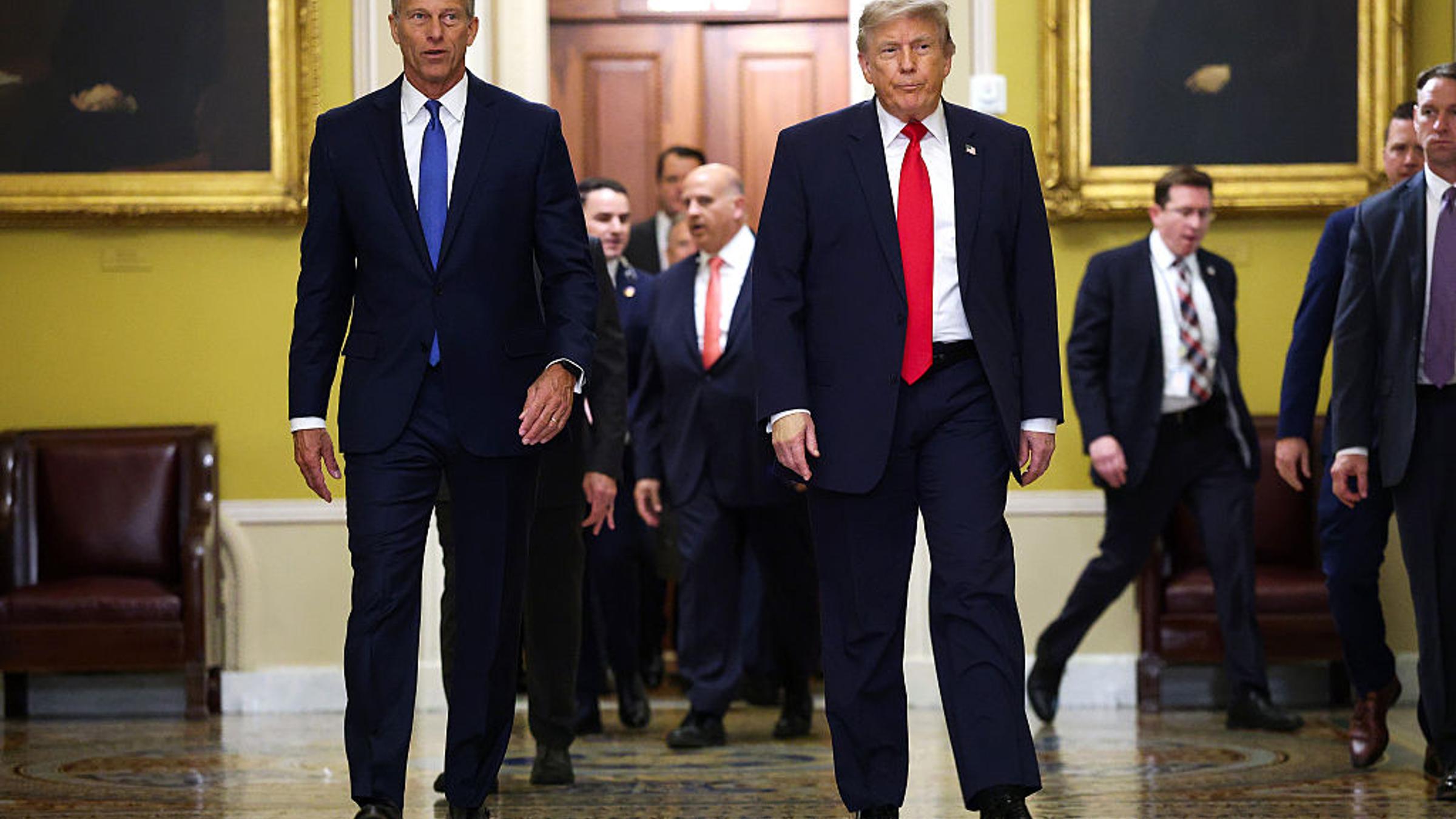
A long-simmering conflict between President Donald Trump and Senate Majority Leader John Thune broke into the open as the upper chamber approached its August recess. The dispute occurred without progress being made on a restrictive voting bill that the President identified as a top legislative priority.
The tension involved the Save America Act, a piece of legislation that would impose stricter voter identification requirements across the country. Although the bill had passed the House in February, progress in the Senate had halted. Thune stated that Republicans lacked the necessary votes to pass the legislation.
Trump used social media to express frustration with Thune, suggesting the Senate should not leave town until the Save America Act is passed or the filibuster is terminated. The President had previously vowed not to sign other bills into law until Congress passed the act. During a rally in Georgia, Trump referred to the Senate as a place where items are sent to die and urged supporters to call John Thune to get legislation approved.
In response to criticisms, Thune suggested that the White House should focus on securing votes from Democrats or specific Republicans rather than pointing fingers at the Republican party. Thune previously described ending the filibuster as a bad idea, stating that the practice has protected the country.
The disagreement also extended to a $95 billion budget proposal intended to fund the President's war in Iran and other White House priorities. Thune told reporters that he could not count to 50 votes for a budget resolution.
White House Press Secretary Karoline Leavitt stated that the President wanted as much of the Save America Act passed as possible before the scheduled recess, noting that the President's patience was running out.
The standoff highlighted growing friction between the White House and Senate Republican leadership regarding legislative movement and the use of the filibuster.