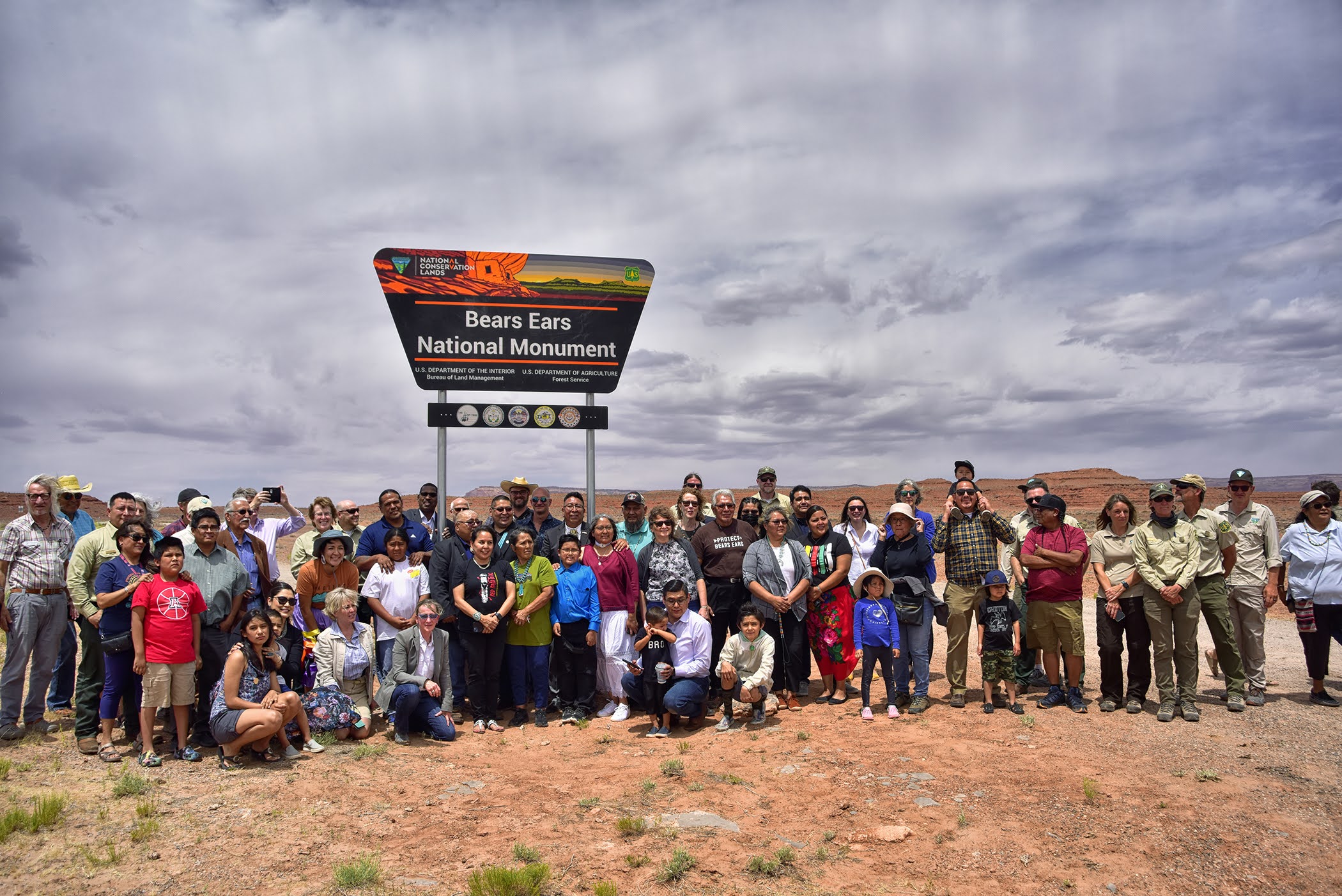
The Bears Ears Inter-Tribal Coalition is marking its eleventh anniversary amid recent setbacks involving the reduction of the Bears Ears National Monument. A recent proclamation by President Trump reduced the monument by approximately 91 percent and terminated the Bears Ears Commission, ending the nation's first established framework for Tribal collaborative management of a national monument.
The Coalition was established in July 2015 by five Tribes: the Hopi Tribe, Navajo Nation, Zuni Tribe, Ute Mountain Ute Tribe, and Ute Indian Tribe of the Uintah & Ouray Reservation. These Tribes united around a shared vision to protect Bears Ears as an interconnected living cultural landscape and to ensure Tribal Nations had a meaningful role in caring for their ancestral homelands.
Historically, the area has faced challenges including looting, grave robbing, irresponsible mining, and off-road vehicle use. The Coalition's work has focused on building a model of collaborative management grounded in Tribal sovereignty and Traditional Indigenous Knowledge.
Following the 2021 restoration of the monument and commission by President Biden, the Coalition Tribes, the Bureau of Land Management, and the U.S. Forest Service signed an Inter-Governmental Cooperative Agreement. This created a formal framework for collaborative management, leading to the formal adoption of the Bears Ears Resource Management Plan in January 2025. This plan was the first of its kind to weave Traditional Indigenous Knowledge into the management of a national monument.
Despite the recent reduction of the monument and the removal of Tribal seals from monument signs, Coalition Co-Chair Davina Smith-Idjesa (Diné) stated that the presence and prayers of the people cannot be erased from the land. The Coalition remains committed to protecting the sacred ancestral homeland and supporting Tribal leadership for future generations.