Big 12 university presidents have officially approved a new partnership with RedBird Capital Partners, even as an increasing number of member institutions reject a $30 million line of credit included in the private equity deal. The decision comes amid a period of significant financial pressure for conferences facing rising costs associated with athlete and coach compensation.
Schools Reject Credit Line
The conference's recent move to approve the deal with RedBird Capital Partners was confirmed in a July 8, 2026, report by Front Office Sports. While the partnership is now approved, the financial specifics of the credit line have become a point of divergence among member schools.
According to reporting from Sports Business Journal in May 20)$
26, several prominent Big 12 programs have already opted out of the available funding. Colorado, Kansas State, Arizona, and Iowa State were identified as the latest members to decline the $30 million line of credit. This brings the total number of schools that have rejected the credit offer to at least 12, according to data from USA TODAY cited in the Sports Business Journal report.
Financial Pressures and Debt Avoidance
The rejected line of credit carries an interest rate of nearly 10%. Despite the financial challenges faced by Big 12 institutions—specifically regarding the escalating costs of paying players and coaches—many schools have indicated they have no intention of utilizing the funds.
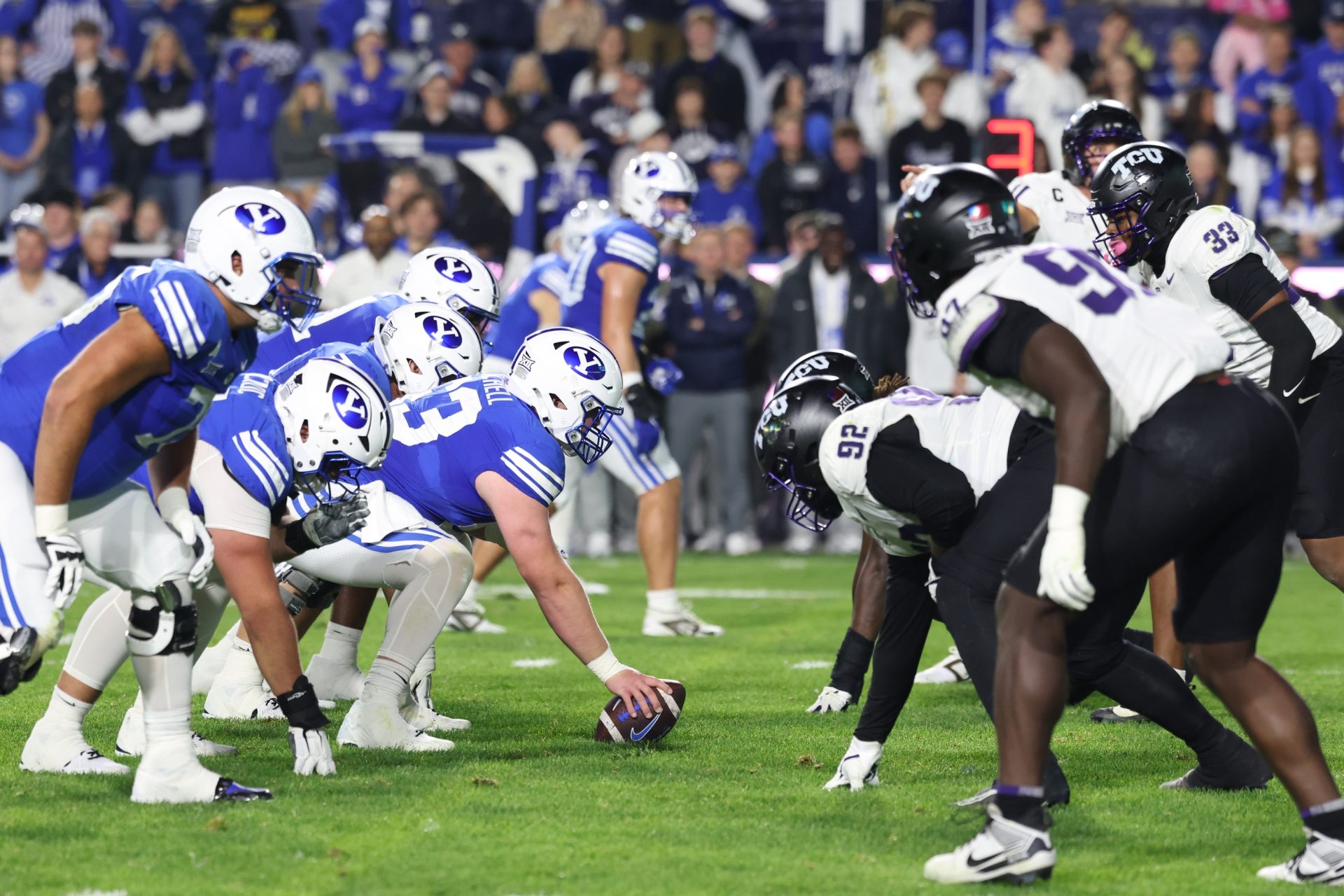
Joining the group of schools that have declined the money are TCU, Baylor, Cincinnati, Houston, BYU, Central Florida, West Virginia, and Utah. As of May 2026, no Big 12 school had confirmed it would accept the credit line, even though the conference office continues to move forward with the broader partnership.
Conference Growth Strategy
While individual schools may be passing on the debt, analysts suggest the arrangement remains beneficial for the conference as a whole. The Big 12 league office is set to receive $12.5 million as part of the partnership, a sum intended to fund the league's long-term growth investments.
If no schools ultimately accept the line of credit, the agreement will be reduced to two primary components: the $12.5 million infusion for the conference office and the strategic partnership with RedBird Capital itself.
Strategic Media Partnerships
The partnership provides the Big 12 with significant influence and access to major resource partners in the media and sports sectors. RedBird Capital holds an ownership stake in Paramount Global, the parent company of CBS, which currently broadcasts a portion of the Big 12's game schedule.
Additionally, the deal connects the conference to Weatherford Capital, an investor in the IMG Academy in Florida, a facility where Big 12 programs frequently recruit top-tier talent.
Long-term Survival Outlook
Industry observers have noted that the deal serves Commissioner Brett Yormark’s long-term strategy to position the conference for the 2030s. By establishing these connections now, the league aims to secure 'optionality' in a media ecosystem that may face future cash shortages when new NFL media deals are expected to dominate sports rights spending.
As reported by the San Jose Mercury News, the partnership is viewed as a vital move for survival. Strengthening relationships with linear networks today provides the conference with defensive positioning for potential crises in the sports media landscape five years from now.