President Donald Trump signed proclamations Monday that shrink the Bears Ears and Grand Staircase-Escalante national monuments by approximately 90 percent each, a move that removes nearly 1.7 million acres from Grand Staircase-Escalante and more than 1.2 million acres from Bears Ears. The reduction could open previously protected land to oil, gas, mining, and logging leases within 60 days.
Tribal Leaders Protest Exclusion
The Center for Western Priorities reported Monday that the new boundaries for Bears Ears National Monument now cover approximately 121,000 acres, while the modified Grand Staircase-Escalante National Monument covers roughly 182,000 acres. The reduction follows a period of significant land management tension regarding the scale of the original designations.
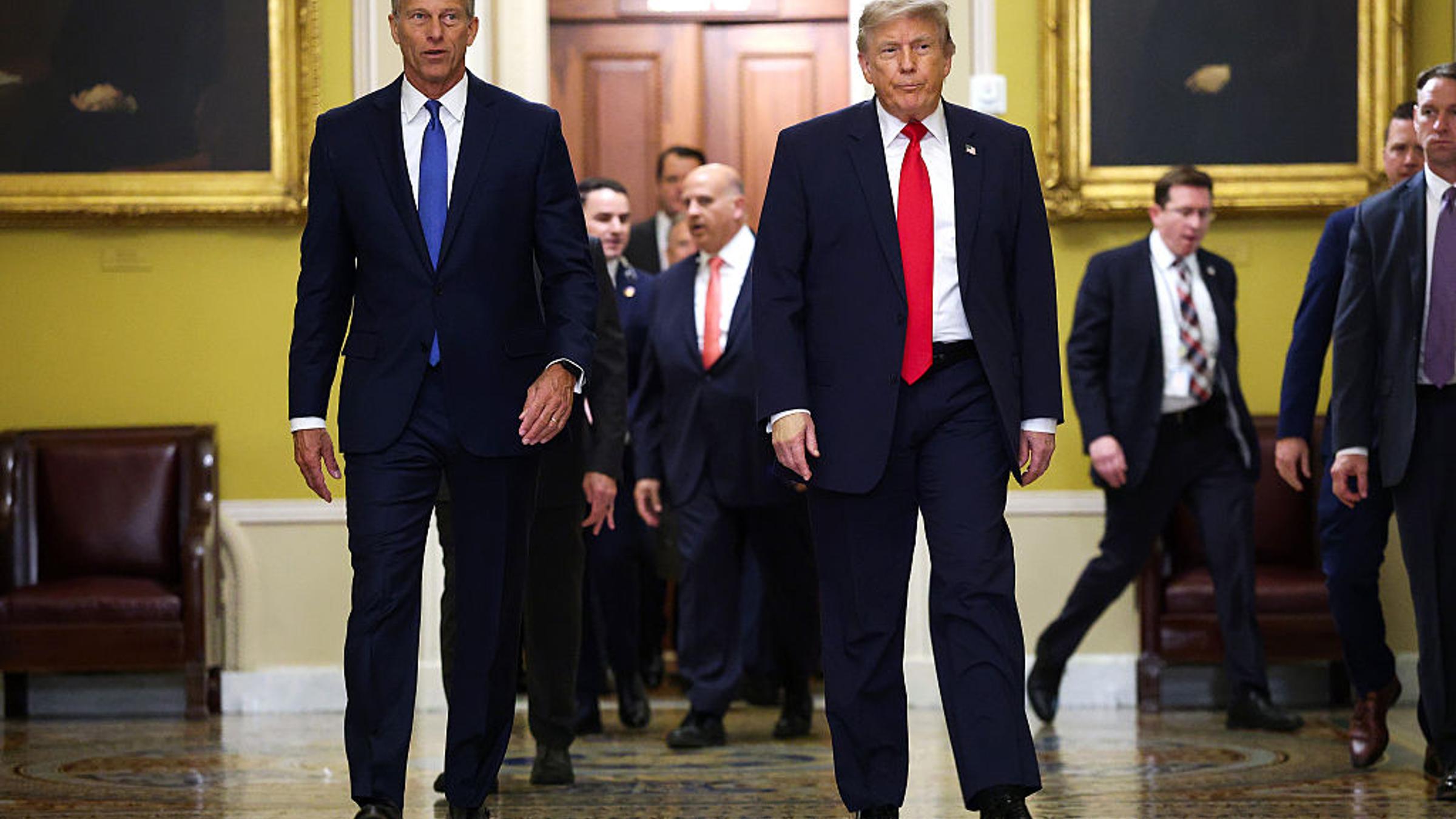
During the signing ceremony, President Trump characterized the previous monument protections as overly restrictive, stating, "You can’t go hunting, you can’t go fishing, you can’t do anything, you can virtually not even walk on it." Deputy Interior Secretary Kate MacGregor responded to the President's comments by saying, "that’s exactly right sir, so you are remedying that today."
However, Center for Western Priorities Executive Director Aaron Weiss disputed the accuracy of those claims, noting that both monuments explicitly allow for hunting, fishing, and recreation. Weiss stated, "We all know that President Trump has very little understanding of what he’s told to sign. But Kate MacGregor knows better. Giving the president documents to sign based on false information is unconscionable."
Utah Officials Welcome Changes
The Bears Ears proclamation also seeks to disband the Bears Ears Commission, a panel that has provided the Navajo Nation, Hopi Tribe, Ute Indian Tribe, Ute Mountain Ute Tribe, and Zuni Tribe with a formal role in managing the monument since its creation.
Tribal leaders reported they were not consulted prior to the announcement. Autumn Gillard, a Southern Paiute citizen who coordinates the Grand Staircase-Escalante Inter-Tibal Coalition, said that tribes learned about the changes at the same time as the general public. "Our Tribes were not informed of or asked about this decision, and that’s unacceptable," Gillard said.
Davina Smith-Idjesa, of the Grand Staircase-Escalante Inter-Tribal Coalition, emphasized the spiritual significance of the land, stating that the monument is an ancestral homeland containing sacred places, plant medicines, waters, and wildlife. She noted that tribal voices are being pushed aside despite their responsibility to protect the lands for future generations.
Management and Resource Focus
In contrast to tribal reactions, Utah state officials expressed strong support for the modifications on July 13, 2026. Governor Spencer J. Cox stated that the state welcomes the federal action, arguing that the reduced scale allows agencies to better provide management, preservation, and public access.
"The question has never been whether to protect them, but how to protect them best," Cox said. He noted that while historic landmarks remain under federal protection, the change allows agencies to direct limited resources toward specific sites rather than managing millions of surrounding acres.
Utah Attorney General Derek Brown also backed the decision, asserting that the Antiquities Act was not intended to be a tool for "locking up millions of acres with the stroke of a pen." Brown stated that Utah has fought to enforce limits on monument size and will continue to ensure the law is applied faithfully to provide certainty for residents.
Continued Protection of Public Lands
State leaders argued that the previous scale of the monuments, which totaled approximately 3.2 million acres, created significant management challenges. According to the Utah Senate, the original area was larger than all of Utah’s other seven national monuments and five national parks combined.
Speaker Mike Schultz said the changes would improve recreation opportunities while respecting local livelihoods. He noted that by focusing resources where they are needed most, the state can ensure lands are preserved for future generations and move toward a long-term solution that avoids political fluctuations.
Senate President J. Stuart Adams added that the new boundaries provide a more focused approach to preservation. He noted that historic roads and trails will remain open, ranching families will have certainty, and visitors can continue activities such as hiking, hunting, camping, and biking.
Future Stewardship Goals
Despite the reduction in monument acreage, Utah officials emphasized that lands not included within the modified boundaries will remain protected under existing federal and state laws. This includes safeguards for wildlife habitats, sensitive landscapes, and cultural sites.
The modified management approach is intended to give land managers greater flexibility to combat invasive species and reduce wildfire risk. The State of Utah indicated it would continue working with federal agencies, tribal governments, and local communities to guide the stewardship of these landscapes.