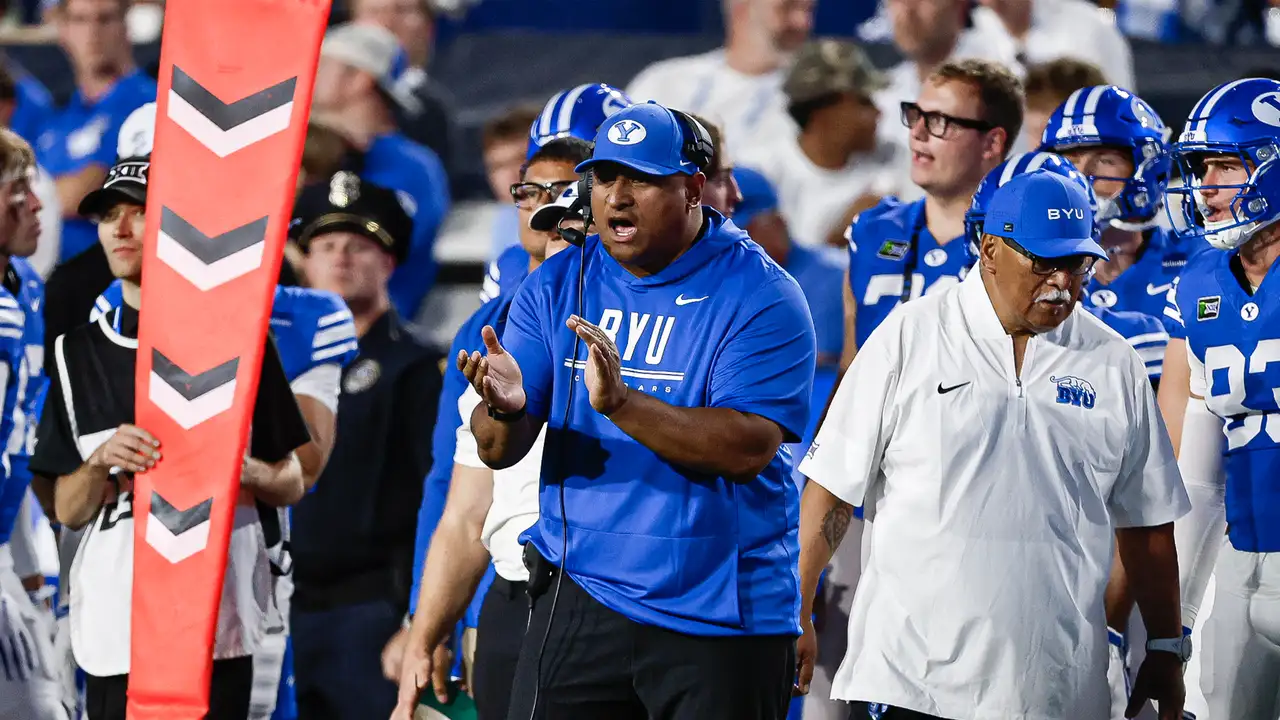
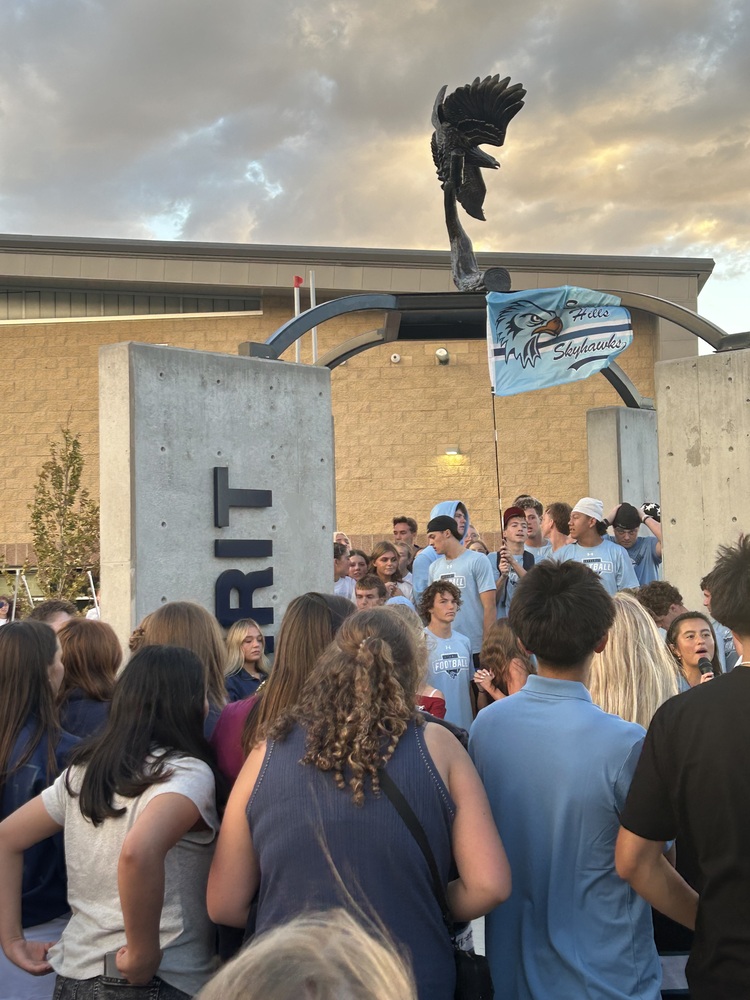
BYU police works to keep students safe. They shared safety tips. (Clara Pierce)
In college, many young adults have to start thinking about personal safety for the first time. Whether it's deciding if it's safe to leave a computer unattended in the library to grab a snack or figuring out if a dating app match is trustworthy, students are faced with new safety dilemmas every day.According to Sgt. Theron Leany of the BYU Police, situational awareness is one way students can practice personal safety."I can't tell you how many times students around here are zoned out because they have both of their ears plugged with the headphones or airpods, and they will walk right out in front of oncoming traffic or a bicyclist," Leany said.Karen Ellingston, BYU Police public information officer, said people come from different backgrounds in regards to experiences with crime and safety. This means different students might come to college with different concepts of situational awareness.
Vehicle theft is a crime. Leaving keys in a car can put students at risk. (Clara Pierce)
"When we talk to students about safety, we are always telling them 'Lock your doors. Lock your car doors. Don't leave valuables out. Lock your bicycles up with a u-lock. Don't prop your dorm doors open. Lock your dorm doors,'" Corinna Carlisle, BYU Police victim advocate, said. "I think there is this false sense of security that we are an LDS campus and everybody's here with good intentions and unfortunately that's not always the case."Carlisle said the most common crimes on BYU campus are vehicle theft (which includes rideables), theft of personal belongings, suicidal ideation (which is not a crime but can be reported to BYU Police), stalking and sexual assault.When it comes to the top two most common crimes — vehicle theft and personal belonging theft — these are often crimes of opportunity."The criminals are looking for an easy opportunity. BYU tends to be that easy opportunity because of the trusting mindset of many that attend here," Leany said.Walking alone at night is another opportunity to practice personal safety. Leany recommended walking with another person when possible, staying alert and using the SafeWalk feature on the BYU app."The app works by providing monitored walking services from one campus location to another, or to a nearby location through GPS tracking," Ellingston said. The app lets students verify if they arrived at their destination safely. They can also hit a red button in an emergency to contact the police dispatch. "I think (the SafeWalk feature) is absolutely underused, but I will say the students who use it have said amazing things about it," Carlisle said. She shared that the feature has even helped students who experienced medical emergencies while out alone.
Leaving backpacks unattended can increase the risk of theft. In the library, backpacks are sometimes left unattended. (Clara Pierce)
Dating is another area of life where students can implement personal safety practices.Abigail Morrison, deputy Title IX coordinator, said clear communication and boundaries are essential to safe dating."I think something that we see here at BYU is students hold this assumption that we're all members of the church, and so we all share the exact same ideas about dating and especially physical boundaries," Morrison said. "Talking about those things in a very upfront, clear way actually does a lot to create safety for everybody involved."Morrison explained it's important not to immediately trust someone just because you met them at a church activity or on Mutual, the popular LDS dating app. "That person is still a stranger to you, and until there's some built sense of trust or safety, you should take precautions," Morrison said.These precautions include meeting in a public place, having separate transportation and telling a friend where you are going and what time you will be back.Morrison explained that setting dating boundaries can be hard at first."We really value being nice. Sometimes, I think it's helpful to think about the difference between being nice and being kind … Say we go on a date. We don't really like that person or there's just some reason like, why we don't want to go out again … the nice part says 'I'm not gonna hurt their feelings. I'm not gonna tell them.' Kindness would say 'It's okay to be clear and upfront with this other person,'" Morrison said.She explained that setting dating boundaries and learning safe dating practices becomes easier with experience."We don't learn this in a textbook — you don't learn it in a classroom, you learn it experientially," Morrison said.She explained how safety is crucial to dating."You deserve to be safe in relationships. We are here to love and we can't love if it's not safe," Morrison said.Students can learn more about safety by visiting byu.police.edu or titleix.byu.edu.
Tags
Theron Leany
Karen Ellingson
Corinna Carlisle
Abigail Morrison
byu police
title ix
safety
personal safety
Share
Link to X (formally Twitter) User