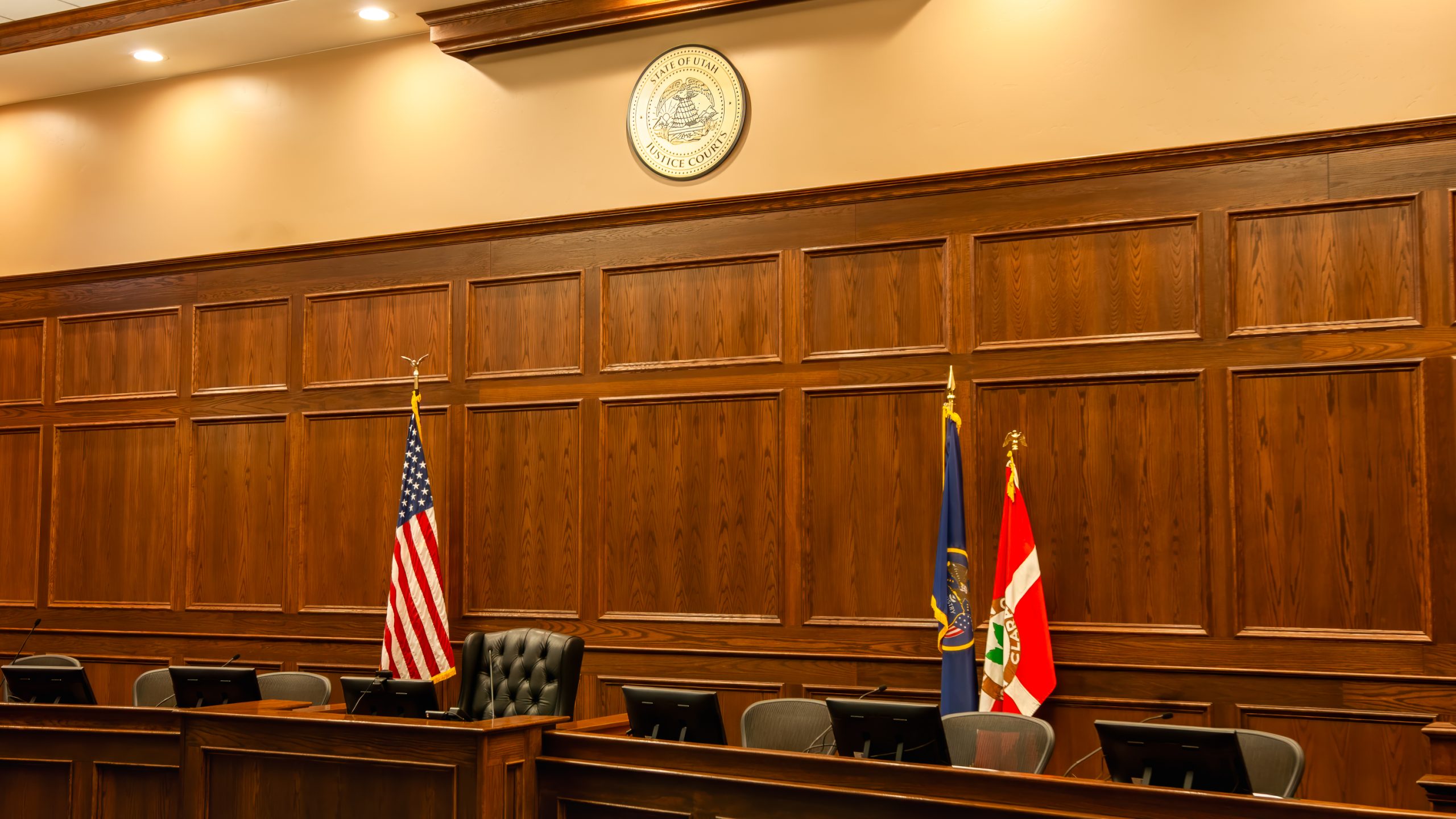
The Summit County Republican Party has formally signaled its support for House Bill 356, a law requiring the county to transition from at-large to district-based representation for its County Council. The legislation, signed into law on March 27, 2025, mandates a shift in how residents elect their local representatives, moving away from the current system where all voters elect all council members at-large.
A Shift in Representation
Under the current Council-Manager form of government, which was approved by residents in 2006, all county voters elect every member of the council. This at-large system allows for a broad countywide perspective, but the new law requires a transition to geographic districts. Under this new mandate, the county will be divided into a set number of districts, and voters in each district will elect one person living within that district to represent them.
Impact on Local Voting
The transition to district-based representation introduces significant changes to the election process. Instead of voting for all five council seats, Summit County voters will only cast a vote for the single council member representing their specific district every four years. Currently, the law as enacted under HB 356 provides for a five-district model with no at-large seats, a structure that officials note could lead to fragmented governance or a loss of countywide focus.
GOP Leadership and Support
The Summit County Republican Party, which aims to unite local Republicans around shared values and practical goals, has formally supported the measure. The party is led by Chair Ari Ioannides, a resident of Wanship and former President of Park City Performing Arts. Other key leadership members include Vice Chair Tory Welch, a U.S. Army veteran and small business owner; Secretary Pat O’Connell, a retired investment banker; and Treasurer Patty Brewer, a former fintech executive.
Regional Party Leadership
The Republican leadership includes regional chairs tasked with engaging specific areas of the county. Marjorie Ellis serves as the Park City Regional Chair, while Philip D’Agostini leads the South Summit region. Louise Willoughby serves as the North Summit Regional Chair, and Tal Adair, a former Summit County Council member, serves as the State Central Committee Representative. The party maintains that its goal is to make Summit County better for all who call the community home.
Legislative Challenges
The implementation of HB 356 has been marked by complexity and legislative debate. While the bill was signed in March 2025, Governor Spencer Cox acknowledged existing problems with the legislation and committed to a special legislative session to address what he termed "unintended consequences." Summit County officials have proposed various changes for consideration during such sessions, including the preservation of one or two at-large seats to maintain a broad countywide perspective and accountability.
Concerns Over Disconnection
One of the primary concerns regarding the current implementation of the law is the method by which existing council members are assigned to districts. Under the current rules, existing members are to be randomly assigned to districts by lottery, regardless of where they live. County officials have noted that this process may disconnect elected officials from their closest constituents. To address this, officials have proposed a process that would allow current council members to serve out the remainder of their terms and be assigned to a district based on their actual place of residence.
The Districting Commission's Role
The county districting commission, established on May 21, 2025, is tasked with the logistical burden of dividing the county. The commission includes the mayors of Henefer, Coalville, Oakley, Kamas, Francis, Park City, and Hideout, as well as one representative for the county's unincorporated areas, former County Council Chair Malena Stevens. The commission is required to propose a district map to the County Council by October 1, 2025.