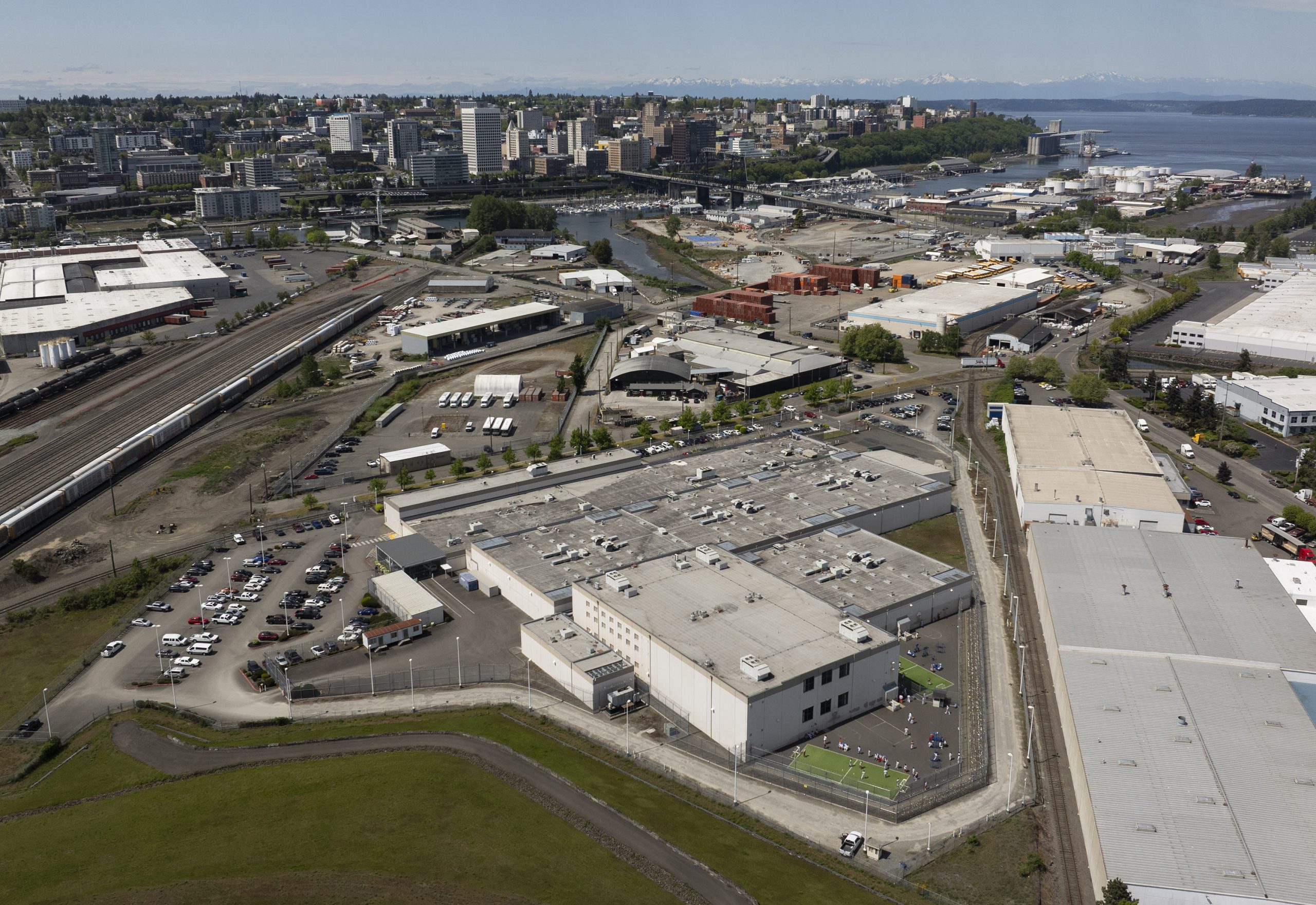
More than 140 immigrants at the Northwest Detention Center in Tacoma concluded a weeklong hunger strike on August 16 after private prison officials promised improved food quality and larger portions. The protest, which focused on inedible meals and irregular dining hours, marks the 20th hunger strike at the facility this year, according to the immigrant solidarity group La Resistencia.
Negotiations End Protest
The hunger strike began last Tuesday in the facility's G3 unit and expanded to include detainees from the G4 unit the following morning. Participants reached an agreement with representatives from GEO Group, the private prison corporation that operates the center on behalf of Immigration and Customs Enforcement (ICE), over the weekend. According to a press statement from La Resistencia, the detainees ended the protest following promises of new menus and better food quality.
La Resistencia director of organizing Josefina Mora-Cheung said hunger strikes are often the only powerful tool available to detainees to draw attention to their circumstances. The group warned that the detained immigrants are prepared to strike again if the promised food improvements are not honored.
Allegations of Poor Conditions
The Northwest Detention Center has faced long-standing allegations regarding poor conditions. Researchers with the University of Washington Center for Human Rights have accused ICE and GEO Group of providing poor food, denying immigrants access to proper health care, and failing to prevent or respond to sexual abuse. The facility has faced consistent overcrowding, with occupancy rates sometimes exceeding 90 percent of its 1,575-person capacity.
While ICE spokesperson Jason Chudy stated that claims of "subprime conditions" at the facility are "FALSE" and asserted that all detainees receive three meals a day and adequate supplies, La Resistencia has documented significant issues. Detainees have reported receiving raw meat and being forced to rely on expensive commissary items like ramen and chips. Additionally, dinner is frequently served after midnight.
National Surge in Strikes
The recent protest follows a broader surge in hunger strikes across the national ICE detention network. As reported by Prism Reports on July 27, hundreds of noncitizens have participated in strikes nationwide to protest the denial of due process and deteriorating conditions during the Trump administration. This surge has been noted at facilities in California, Michigan, Pennsylvania, Texas, New Mexico, Louisiana, and New Jersey.
At the Northwest ICE Processing Center (NWPIC) in Tacoma, the number of strikes has increased significantly. La Resistencia documented 16 hunger strikes last year, but the group has already recorded 20 strikes at the facility in 2026. One recent strike at the facility ended on July 20.
Legal and Contractual Battles
The controversy at the Northwest Detention Center is compounded by shifting federal contracts. ICE did not renew its 10-year contract with GEO Group for the facility late last year, opting instead for a short-term agreement. Representative Emily Randall suggested the move could be an attempt by the federal government to enrich allies of the administration.
In July, a federal judge sided with the Washington State Department of Health's request to audit conditions at the center, though that ruling was later reversed by the 9th US Circuit Court of Appeals. During a rally organized by La Resistencia, Representatives Emily Randall and Maxine Dexter appeared to show support for the striking detainees.
Human Rights Concerns
Advocates say the surge in protests is a response to what they describe as life-threatening conditions and a lack of legal justice. At least 52 people have died in ICE custody since President Donald Trump's inauguration last year. Human Rights Watch reported that this mortality rate is nearly four times that of the Biden administration and more than twice that of the first Trump administration.
Retaliation and Due Process
The detention of migrants has become a flashpoint for legal and physical disputes. One Cuban national, Rogelio Bolufé Izquierdo, reported being transferred nine times in retaliation for organizing. He was deported to Ecuador in June despite having an open asylum case and a pending appeal. Bolufé claimed that detainees at the Torrance ICE jail and other facilities are often denied access to legal counsel and that mail services are withheld, preventing them from following deportation proceedings.
Impact of Hunger Strikes
Despite the risks, some strikes have resulted in specific victories for detainees. At the NWPIC and Delaney Hall, hunger strikes have led to answers regarding legal cases, release from solitary confinement, and release from detention altogether. The Delaney Hall strike in June, which involved more than 300 people, also helped secure $12 million in pro bono legal services.