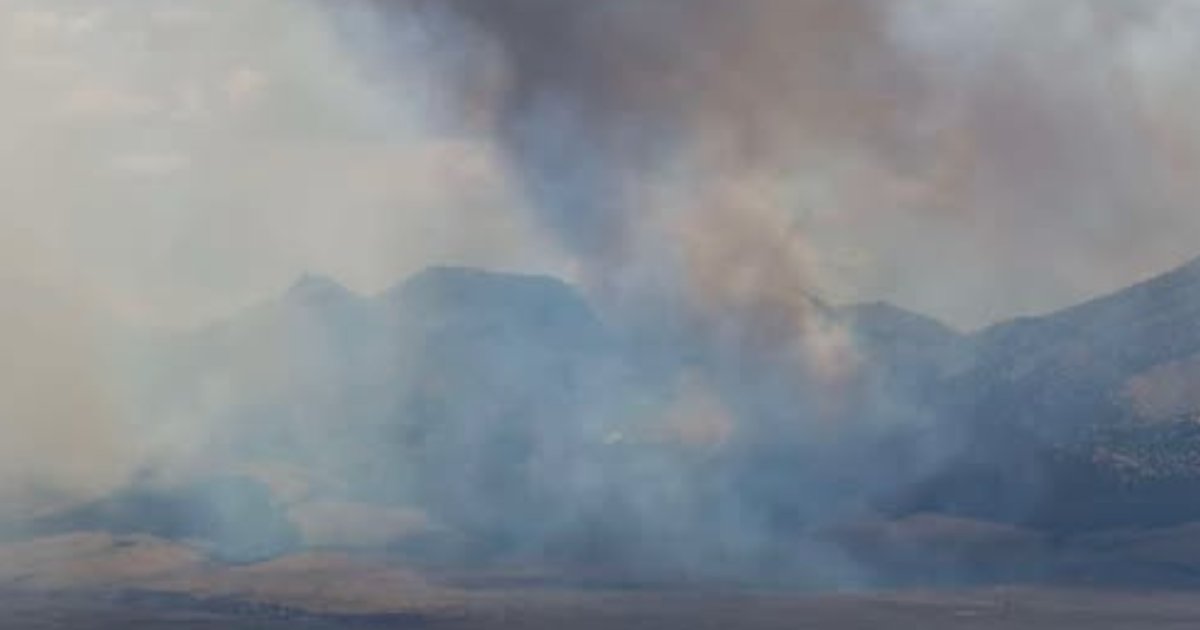
University of Utah researchers and state environmental officials are intensifying efforts to identify the specific components of dust storms originating from the receding Great Salt Lake. The research aims to understand how particles blown from the exposed lakebed affect respiratory health and air quality across the Wasatch Front.
Analyzing Lakebed Emissions and Health Impacts
Dr. Kevin Perry, a professor of atmospheric sciences at the University of Utah, is currently focusing his research on emissions from the exposed portion of the Great Salt Lake. Having spent more than 200 days conducting fieldwork at the lake, Perry has completed a comprehensive soil survey covering the entire 800 square miles of the exposed lakebed.
Perry's work involves analyzing how particulate matter moves through the atmosphere and its potential health consequences. His previous research in the field has utilized the Utah Population Database to conduct retrospective analyses of air quality data alongside patient medical and birth records to investigate the effects of particulate matter on gastrointestinal health and birth outcomes.
Monitoring Heavy Metals and Sediment
The Utah Division of Air Quality (UDAQ) is also conducting active monitoring to understand the composition of these dust events. Because the Great Salt Lake is a terminal lake, pollutants accumulate within it rather than flushing downstream. As water levels decrease, more sediment from the lakebed becomes exposed and susceptible to being picked up by wind.
According to the UDAQ, many elements found in the dust are naturally occurring. While sediments in the lakebed contain elevated levels of compounds such as arsenic, the agency reports that historical data spanning over a decade shows no increase in airborne arsenic or other heavy metals even as lake levels have declined. The division noted that its highest recorded arsenic level remains approximately 100 times below health thresholds established by California's standards.
Particulate Matter and Public Safety
State officials are specifically tracking two types of particulate matter: PM10 and PM2.5. PM10 refers to particles 10 micrometers or less in diameter, which primarily affect the upper respiratory system and can trigger conditions such as asthma. PM2.5 refers to even finer particles that are 2.5 micrometers or less in diameter and have the potential to enter the bloodstream.
Large dust storms are a particular concern because they can reduce visibility, creating hazards for driving and outdoor activities. While these large events can often be forecasted to allow for preparation, the UDAQ is focused on determining if the frequency or severity of these dust events is increasing.
Expansion of Monitoring Networks
Recent legislative funding has enabled the expansion of Utah's dust monitoring network. The UDAQ has added four new PM10 filter monitors at locations closer to the Great Salt Lake, including stations in Brigham City, Lake Park, and Prison. Additionally, sampling frequency at the Bountiful Viewmont station has been increased from every six days to a daily schedule.
These monitors collect samples between February 1 and September 30 to capture dust during the peak spring and fall periods. If these monitors capture dust events, the filters are sent to a laboratory for compositional analysis to help characterize the Great Salt Lake dust signal and inform future health exposure studies.
Environmental Consequences and Research Funding
Beyond air quality, researchers are investigating the environmental impacts of lakebed dust on Utah's water supply. When dust from the Great Salt Lake or other sources lands on mountain snow, it makes the snow darker and less reflective. This process can lead to faster snowmelt in the spring, directly impacting the state's water resources.
To support these efforts, a state-led 'Utah Dust group' was formed to guide research and ensure that legislative funding is used effectively. The group meets regularly to design studies and discuss monitoring approaches. Furthermore, the UDAQ utilizes its Science for Solutions grant program to fund dust-specific research.
Community Tools and Long-Term Planning
The state is also implementing local initiatives like WestSide AirSense, which uses low-cost PM sensors to provide real-time air quality data for communities near the lake. This allows residents to make more informed decisions regarding outdoor activities during dust events.
As part of a broader effort to protect the Great Salt Lake, the UDAQ works in coordination with the Office of the Great Salt Lake Commissioner and other partners. While the Wasatch Front is currently in attainment for PM10—meeting federal EPA standards—the state continues to monitor and develop long-term plans under the Clean Air Act.