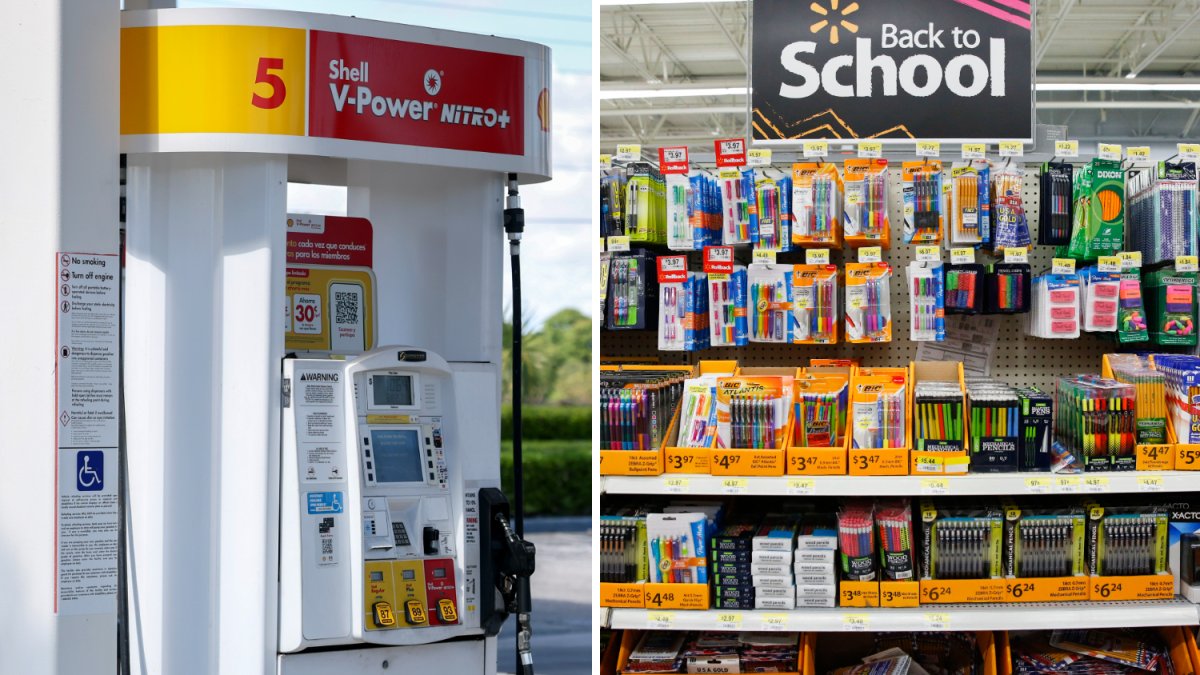
Global oil prices exceeding $100 per barrel are driving up costs for gasoline, groceries, and school supplies as military conflicts in the Middle East disrupt global crude supplies. The surge in energy costs is creating significant pressure across the entire supply chain, making it more expensive for companies to transport and store essential goods for consumers.
Energy Costs Impacting Goods
The recent spike in crude oil prices follows a period of relative stability in June when hostilities between the United States and Iran had decreased. However, new military actions and attacks have left global crude supplies stranded in the Middle East, pushing Brent crude to the $100 threshold, a level it has not seen since May.
As Telemundo reported on July 23, businesses that sell fresh food, school supplies, and any goods requiring fuel for transport have already reported increased costs. Experts suggest that companies are likely to continue passing these higher expenses on to consumers. Miguel Gómez, director of the Food Industry Management Program at Cornell University, noted that while businesses tend to raise prices quickly when costs increase, it typically takes much longer for prices to decrease when costs fall.
Rising Prices at the Pump
Gasoline prices have seen a notable upward trend as the summer progresses. According to data from the U.S. Energy Information Administration (EIA) on July 31, the national average for regular gasoline was $4.10 per gallon. This follows a report from AAA on July 27 stating that the national average had reached $4.11 per gallon, representing a 20-cent increase compared to June.
The volatility in the Strait of Hormuz and regional instability are primary drivers of these rising costs. While the automobile club AAA noted that drivers in most states are already paying $4 or more per gallon, analysts suggest the impact may persist. Pavel Molchanov, an investment strategy analyst at Raymond James, stated that due to typical delays in the oil industry supply chain, prices at the pump will likely continue to rise at least through next week. However, Molchanov noted that future oil prices for deliveries later this year and next year appear lower, suggesting a potential decrease once military actions subside.
Food and Supply Chain Pressure
The impact of high oil prices extends beyond the gas station, affecting the cost of food and essential commodities. Agricultural producers rely heavily on diesel to operate machinery, and many food products require fuel for trucking and cold storage. Miguel Gómez explained that while a $100 barrel of oil does not cause immediate food price hikes, it creates pressure across the supply chain, particularly for categories dependent on road transport, packaging, and cold storage.
Per Telemundo's reporting, fresh produce and dairy products are especially vulnerable because they require continuous refrigeration during transport. Additionally, imported goods are susceptible to rising shipping costs. Gómez specifically noted that products like olive oil, which is primarily produced in Europe, are expected to see price increases due to these logistics costs.
Increased Shipping and Logistics Costs
The logistics and shipping sectors are also experiencing significant cost increases due to the rising price of fuel for ships, trucks, and aircraft. Companies such as UPS and FedEx have already implemented fuel surcharges and other fees to offset these rising expenses.
According to a July 14 index from AFS Logistics and TD Cowen, road transport rates have reached their highest level in four years due to fuel costs and capacity constraints. Andy Dyer, CEO of AFS Logistics, reported that diesel prices during the second quarter were approximately 51% higher than they were in January and February. Furthermore, aviation fuel costs have risen by 90% compared to the previous year. Dyer warned that these price movements create secondary effects that continue to drive rates upward, potentially forcing small trucking companies with thin margins to temporarily cease operations until fuel prices stabilize.
Shifting Consumer Spending
Retailers are already adjusting their financial expectations as consumer spending patterns change in response to inflation. The supermarket chain Albertsons reduced its financial forecasts for fiscal year 2026, citing pressure on its core business and a reduction in consumer spending.
Similarly, Tractor Supply Co., which specializes in products for rural areas, reduced its sales forecasts for the year. The company noted that increased fuel costs during the spring season have negatively impacted its customers' ability to spend. This is particularly relevant for their customer base, as many travel long distances in diesel-powered vehicles to reach stores.
Market Outlook and Capacity
The current energy landscape remains volatile, with the U.S. Energy Information Administration reporting on July 31 that diesel prices averaged $5.36 per gallon nationally. While the demand for gasoline remains high, with the EIA reporting a 1% increase to 8.9 million barrels per day last week, the combination of damaged refineries in the Middle East and attacks on Russian facilities has reduced the total capacity available to process oil, maintaining upward pressure on global energy markets.