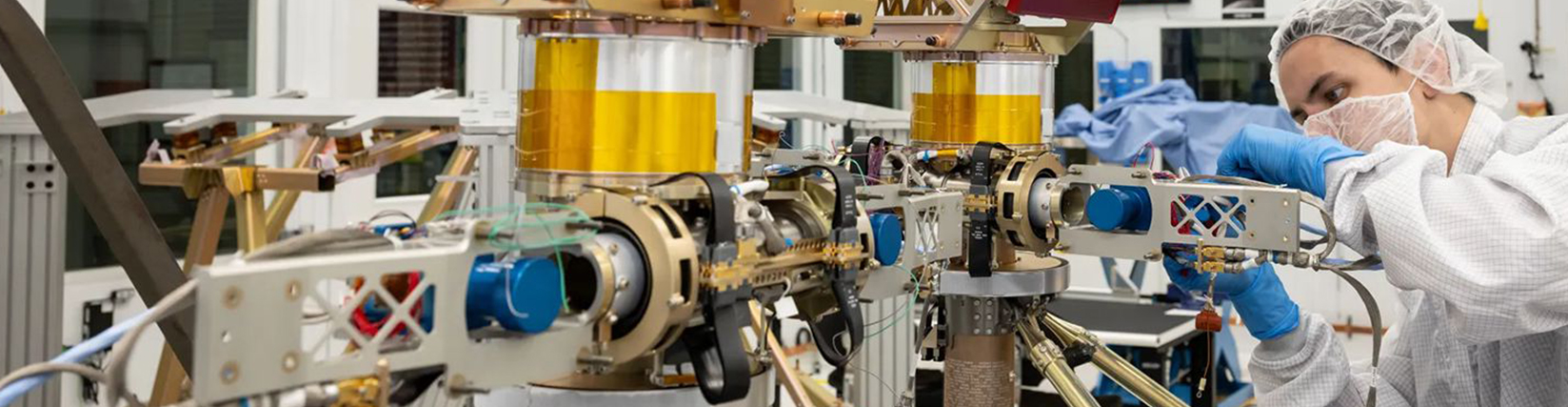
Southern Utah University has been selected by NASA to establish and lead the Utah NASA Aerospace Skilled Technical Workforce Hub, a multi-year initiative designed to create a statewide pipeline for high-demand technical careers in the aerospace industry. The project, funded through NASA's Office of STEM Engagement's Next Gen STEM Project, will align training across Utah with specific employer needs to support national space exploration goals.
Addressing Urgent Technical Demand
NASA has awarded approximately $10.5 million to launch seven new workforce hubs across the United States, according to Southern Utah University. The Utah-based hub will serve as a unified coordination system to bridge the gap between educational programs and the technical talent required for modern aerospace innovation. The initiative focuses on creating clear, supported pathways for students to enter technical roles that do not necessarily require a bachelor's degree, such as electricians, welders, machinists, and advanced technicians.
Elaine Ho, the associate administrator for the Office of STEM Engagement at NASA Headquarters, stated that the need for technical talent is urgent and expected to grow as NASA prepares to return humans to the Moon and eventually targets Mars. Ho noted that NASA is positioned to act as a catalyst and convener to accelerate aerospace workforce development and foster the next generation of technicians.
Connecting Classrooms to Careers
The Utah hub is designed to integrate high school career and technical education (CTE) programs, community colleges, and industry partners. By utilizing employer hiring agreements tied to validated skills, the initiative aims to support direct job placements and engage thousands of students and educators throughout the state.
Melinda Pfundstein, the Executive Director of Community and Workforce Development at Southern Utah University, said the university aims to provide students with practical, real-world experiences that connect classroom learning to successful careers. Pfundstein noted that the NASA award will bring high schools, colleges, and industry leaders together to provide the hands-on skills, industry credentials, and confidence necessary for high-paying, future-ready jobs.
National Aerospace Workforce Strategy
The initiative comes as the rapid expansion of the space economy and renewed national priorities in human space exploration create an urgent demand for a robust skilled technical workforce. NASA's goal for these state-focused hubs is to develop and sustain a workforce aligned with both industry and NASA mission needs, ensuring U.S. competitiveness in the aerospace and defense sectors.
According to NASA, these hubs serve as strategic centers that facilitate coordination between NASA industry partners, education providers, and state or regional economic development agencies. This coordination is intended to accelerate workforce readiness by creating clear pathways for students to pursue high-needs, skilled technical careers.
A National Network of Hubs
Southern Utah University's Community & Workforce Development department will lead the effort, working to bridge academia and industry through targeted technical training and professional certifications. The department focuses on delivering pathways designed to meet the evolving demands of the Utah workforce by collaborating with regional educators, government agencies, and industry partners.
While the Utah hub focuses on statewide coordination, NASA has established several other regionally focused hubs across the country. These include the Antelope Valley Community College District in Southern California, the Georgia Tech Research Corporation in Georgia, and Minnesota State Colleges and Universities in Minnesota. Each hub is structured to address specific regional needs while contributing to the broader national goal of building a skilled technical workforce for NASA's missions.
Strengthening Utah's Aerospace Standing
The establishment of the Utah NAS_Hub reinforces the state's position as a leader in aerospace workforce development. By ensuring a steady flow of local talent for NASA and its various industry partners, the initiative seeks to secure the technical infrastructure necessary for long-term space exploration and innovation.