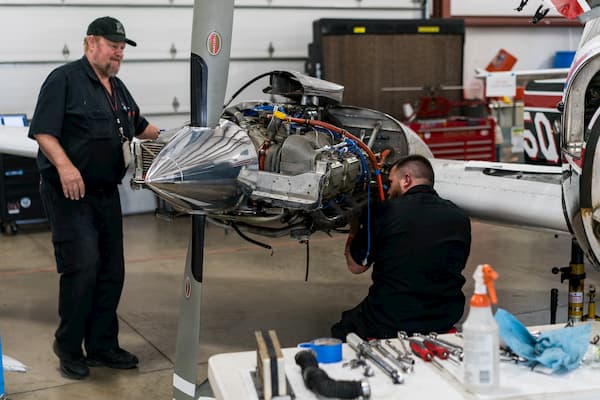
The aviation industry continues to see high demand for Aircraft Maintenance Technicians (AMTs), offering a career path characterized by long-term job security and diverse employment opportunities. Professionals in this field combine technical aviation knowledge with mechanical skills to ensure the safety of pilots and passengers through aircraft maintenance and repair.
Essential Role in Aviation
The role of an Aircraft Maintenance Technician involves a combination of physical labor and specialized technical knowledge. According to Southern Utah University (SUU), the primary objective for these mechanics is to maintain and repair aircraft to ensure the safety of both pilots and passengers. Because every organization that operates airplanes or helicopters requires mechanics to clear aircraft for flight, the industry remains heavily dependent on these skilled professionals.
SUU noted that the aviation industry, and the AMT profession specifically, is in such high demand that technicians can expect a secure career for years to come. This stability is a significant factor for those entering the field, as it addresses the professional uncertainty often felt when entering less stable industries.
Diverse Employment Opportunities
The career paths available to AMTs are extensive, spanning both civilian and military sectors. According to a report from SUU on August 21, 2026, technicians can find employment within several different types of organizations. These include commercial airlines, flight schools, freight carriers, and aircraft manufacturers.
Other sectors for employment include military or government agencies, private companies, and local airports. Additionally, technicians may work for private aircraft owners, tour companies, air medical services, and at Air Force bases.
Experience and Compensation
Earning potential and benefits for Aircraft Maintenance Technicians are often tied to their level of experience and the specific types of aircraft they are capable of maintaining. SUU stated that as mechanics gain more experience and demonstrate competence with a wider variety of aircraft, their compensation typically increases.
For those starting their careers, the ability to secure high-paying positions may require a willingness to relocate to areas where job openings are most frequent. SUU indicated that this mobility is especially important for new mechanics who lack extensive experience. Once a technician has established a reputation as a reliable and skilled mechanic, the need to move for work typically decreases, allowing them to focus on their craft in a settled location.
Industry Impact and Education
The necessity of the role cannot be overstated, as the aviation industry would come to a halt without the work performed by these technicians. Because they are responsible for clearing aircraft for flight and ensuring mechanical integrity, they are considered essential to all sectors of flight operations.
For individuals interested in pursuing this career, SUU Aviation offers programs designed to provide the high-quality education and hands-on experience required to secure employment immediately upon graduation.
Future Outlook
As the aviation industry evolves, the demand for skilled maintenance personnel remains a cornerstone of flight operations. The combination of technical skill, physical work, and the critical necessity of safety ensures that the profession of an Aircraft Maintenance Technician remains a vital component of global transportation and defense.
Technical Skill Requirements
The profession requires a specialized skill set that bridges the gap between mechanical repair and advanced aviation technology. By ensuring that every component of an aircraft is functioning correctly, AMTs serve as the backbone of flight safety for commercial, private, and military aviation alike.