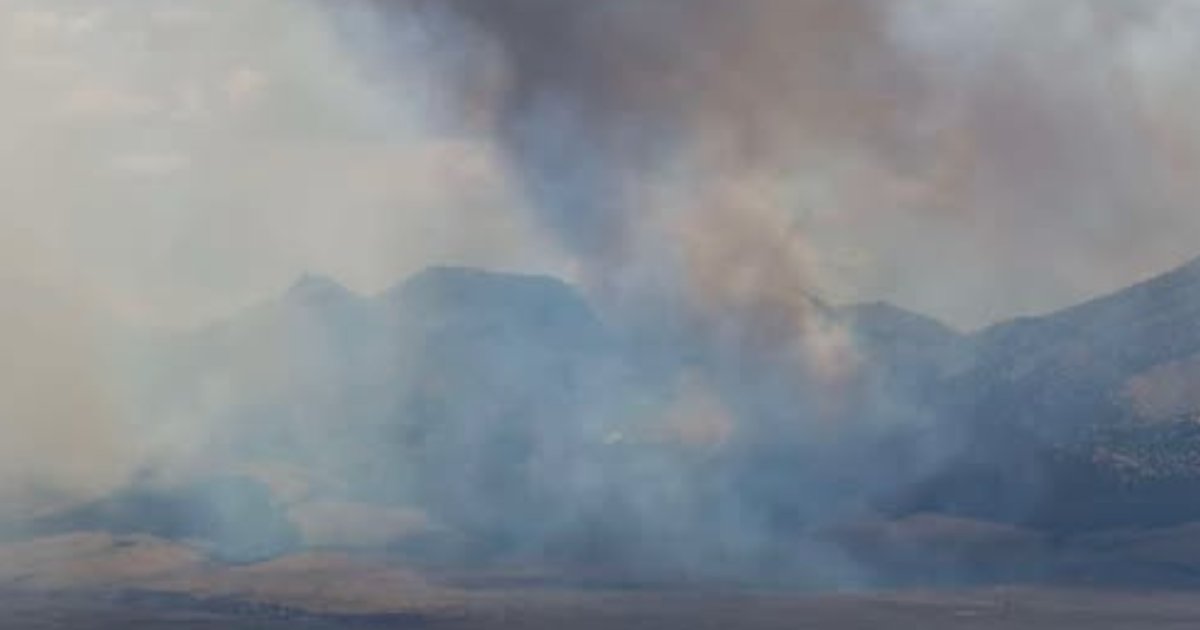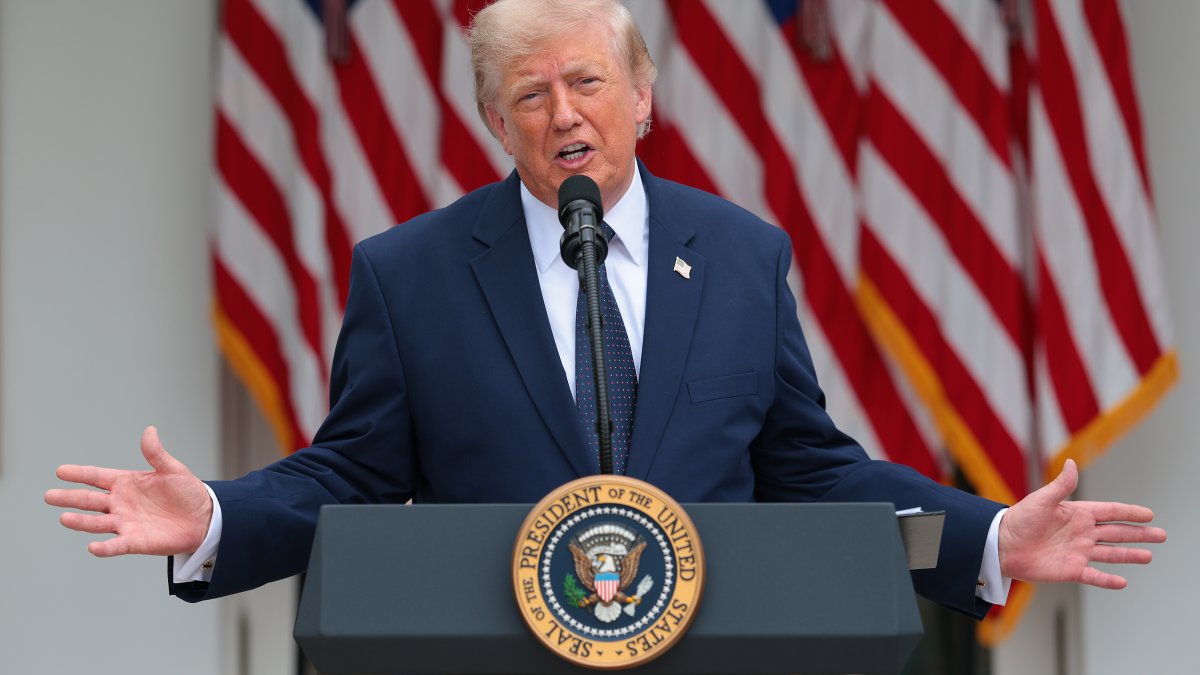
President Donald Trump signed proclamations on Monday, July 13, 2026, to significantly reduce the size of Utah's Bears Ears and Grand Staircase-Escalante national monuments. The White House announced that the measure reverses protections established during the Biden administration, opening millions of acres to activities such as grazing, recreation, and potential natural resource development.
Significant Reductions in Acreage
According to a White House announcement reported by Telemundo Utah, the new boundaries will drastically alter the scale of both protected areas. The Bears Ears National Monument is set to shrink from approximately 1.36 million acres down to 121,100 acres.
Similarly, the Grand Staircase-Escalante National Monument will see its coverage reduced from nearly 1.87 million acres to just 181,500 acres. The White House stated that this reduction is intended to allow for more flexible management of federal lands and to expand local access for hunting, grazing, and other recreational uses.
Republican Support for Land Use
The decision has drawn sharp praise from Utah's Republican leadership. Governor Spencer Cox described the signing as "a great day for Utah," aligning with long-held views from state Republicans that the previous monument boundaries were excessively large and restricted local land use.
President Trump supported the move by stating that his administration is "returning the land to the people." This sentiment reflects a multi-year effort by state legislators to reclassify these federal lands to permit more diverse economic and recreational activities.
Opposition from Democrats and Tribes
In contrast, the reduction has met intense opposition from Democratic lawmakers and tribal nations. Utah Senate Democrats released a statement expressing deep disagreement with the Trump administration's decision to drastically cut the protected limits of both monuments.
Democratic legislators emphasized that Bears Ears and Grand Staircase-Escalante represent some of the most significant ecological, geological, historical, and cultural treasures in both the state and the nation. They warned that the reduction places irreplaceable natural landscapes at risk.
Prospects for Legal Challenges
The backlash includes warnings of potential legal action. Democratic lawmakers stated that the decision dishonors the history and heritage of Utah's lands and tribal nations, and they indicated they will use legal channels to challenge the administration's proclamation.
Indigenous tribes have also criticized the measure, joining environmental groups in their concerns over the loss of protected status for these culturally significant areas.