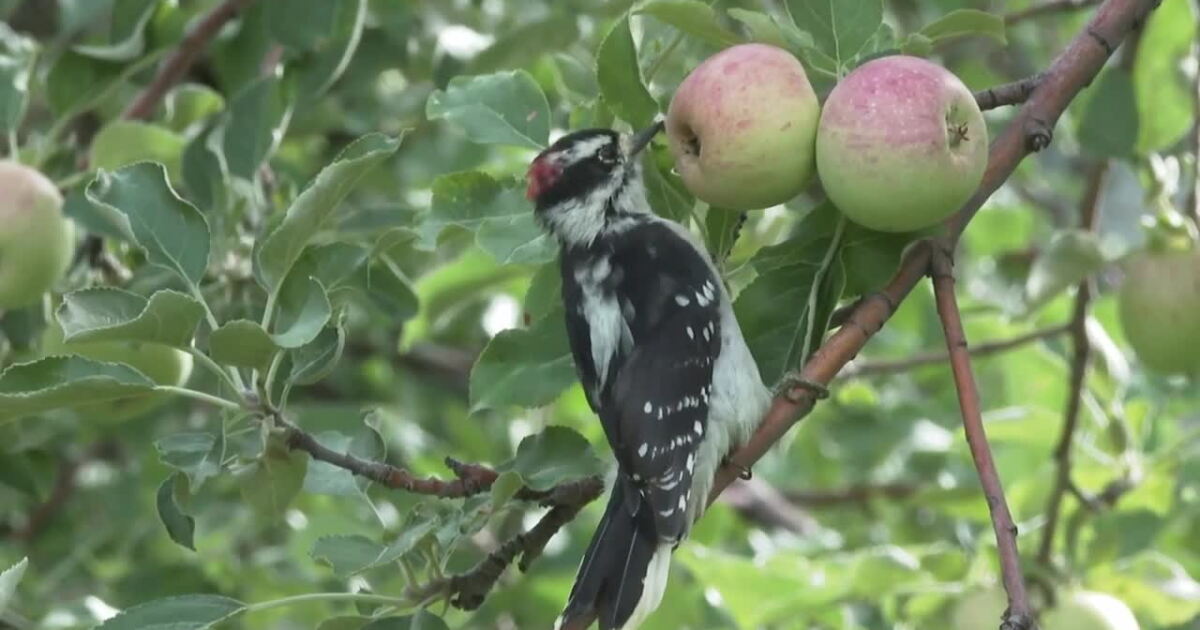
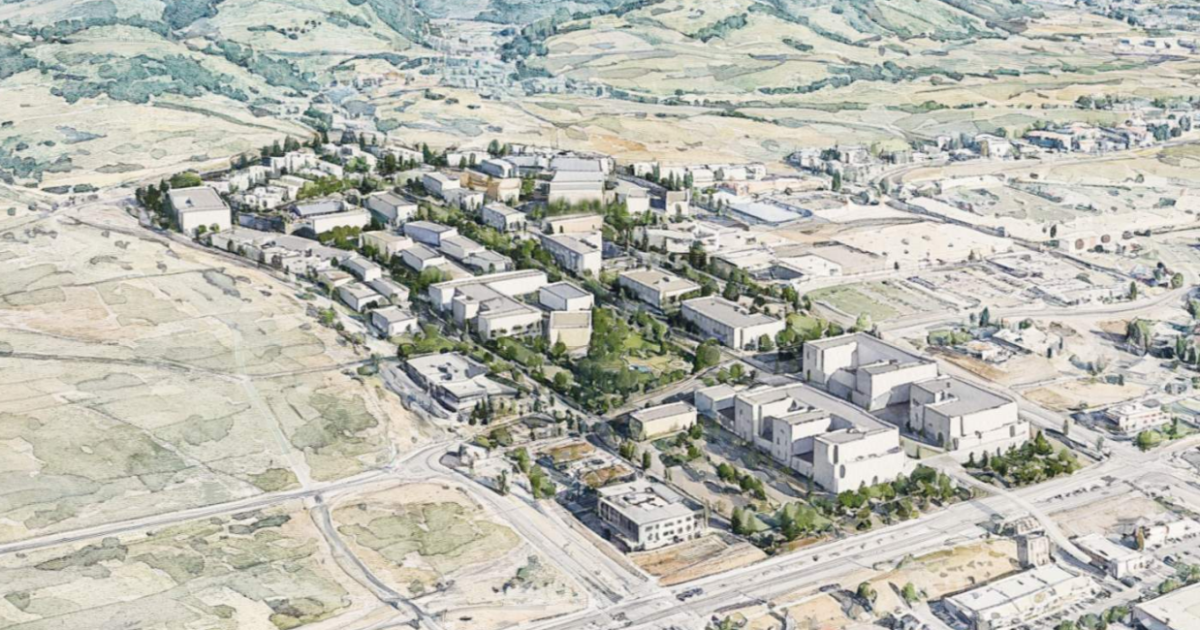
The 2025 Midway Apple Harvest Festival was canceled after a late-spring freeze wiped out much of the town's orchard crop, and growers, county officials, and federal weather records now show how unusually severe that freeze was — and how little of Utah's remaining commercial apple acreage sits in Midway itself. The festival, a staple of Midway's downtown calendar, did not return in fall 2025 after orchard operators reported near-total fruit loss on trees that had already broken dormancy.
What has not been widely reported is the underlying production picture: Wasatch County is a tiny slice of Utah's apple industry, Midway's remaining commercial blocks are concentrated on a handful of family orchards, and the 2025 freeze fit a documented pattern of late-spring cold after early warm spells that Utah fruit growers have been warning about for years.
How much fruit was actually lost
Utah's commercial apple crop is small by national standards and is concentrated in Utah and Box Elder counties, not Wasatch County. The USDA National Agricultural Statistics Service reported 1,100 acres of apples statewide in 2024, producing 16.0 million pounds, with a utilized production value of $8.19 million. NASS county-level fruit tables do not break out a standalone Wasatch County apple acreage figure in recent years, which is itself a signal: Midway's remaining orchards are locally famous but commercially modest compared with the Geneva/Orem and Box Elder plantings that dominate the state's totals.
The 2025 Utah fruit report, released by NASS in August 2025, showed statewide apple production falling sharply from the prior year after spring freeze damage in multiple producing areas. Utah apple production dropped from 22.0 million pounds in 2023 to 16.0 million pounds in 2024, then fell again in the 2025 crop year as late freezes hit trees that had already bloomed. Peach and cherry crops, which share similar bloom-timing vulnerability, also posted large year-over-year declines in the same NASS release.
At the local level, Midway orchard operators told the Midway Boosters and city officials in June 2025 that they would not have a harvest large enough to support the Apple Harvest Festival, which has historically relied on on-site picking, cider, and fruit sales from local blocks. Memorial Hill and surrounding Midway benches, where several of the remaining commercial and U-pick orchards sit, are at roughly 5,500 to 5,800 feet — high enough that bloom is later than in Utah Valley, but still early enough that a hard freeze after bud swell can kill the crop.
USU Extension's Wasatch County office, based in Heber City, has for years advised Heber Valley fruit growers that a single night below about 28 degrees Fahrenheit after green tip can destroy a high share of apple blossoms, and that temperatures in the low 20s after full bloom can wipe out a crop. County Extension faculty have also noted that high-elevation orchards in Midway and Charleston do not have the same density of wind machines and overhead irrigation frost protection that larger Utah County operations installed after earlier freeze years.
What the weather records show
National Weather Service records for Heber City, the nearest long-running observing site to Midway, document a pattern of late-spring freezes after early warm spells — the combination fruit growers call a "false spring." The Heber cooperative observer and nearby RAWS sites recorded multiple nights at or below freezing in April and May 2025 after March temperatures had already pushed apple buds out of dormancy across the Heber Valley.
NWS Salt Lake City freeze and frost climatology for the Heber/Midway area puts the average last 32-degree freeze in late May, with the average last 28-degree freeze in early to mid-May — later than Utah Valley and much later than the Wasatch Front.
That late last-freeze date is why Midway apples can still be grown at all: bloom is delayed. It is also why a freeze after an unusually early warmup is so damaging. Once buds have broken, the same 28-degree night that would have been harmless in March becomes a crop-killing event in April or May.
Utah Climate Center data maintained at Utah State University show a long-term trend toward earlier spring warm spells in northern and central Utah, even as hard freezes continue to occur in April and May. That combination — earlier bud break, unchanged late-freeze risk — is the climate signal USU Extension fruit specialists have cited as the primary production risk for remaining high-valley orchards, including those in Midway, Santaquin, and the east benches of Utah Valley.
Federal crop-insurance data add a second measure of the 2025 hit. The USDA Risk Management Agency reported elevated apple and stone-fruit indemnity payments in Utah for the 2025 crop year after spring freeze claims, continuing a pattern seen in prior freeze years including 2020 and 2023.
Those indemnities are paid on insured acres only; small U-pick and roadside-stand blocks in Midway are often uninsured or underinsured, so the RMA figures understate local cash losses even when they capture the statewide trend.
Zoning, water, and why these orchards were exposed
Midway's remaining orchards sit inside a city that has spent two decades converting agricultural land to residential lots. Midway City's general plan and zoning map keep large-lot residential and agricultural zoning on the benches, but orchard parcels have been steadily reduced as owners sold or subdivided.
The city's open-space and agricultural preservation tools — including the Midway Heritage Lands and related conservation easement efforts — have protected some meadow and view-corridor land, but they have not created a dedicated commercial-orchard freeze-protection district or a public frost-protection water system.
Water, not zoning language, is the more immediate constraint on frost mitigation. Wind machines and overhead sprinkler frost protection need reliable nighttime water and power. Midway Irrigation Company and the surrounding Wasatch County irrigation companies operate on a seasonal allotment system tied to the Provo River and local streams; late-April and early-May deliveries are not designed around all-night frost-control sprinkling.
Several Heber Valley growers have told USU Extension that they cannot justify the capital cost of wind machines on small remaining blocks, especially when those blocks are already surrounded by new homes that complicate nighttime noise and spray.
There is no public record that a specific Midway zoning amendment or water-right protest caused the 2025 crop failure. The freeze itself was meteorological. What the land-use record does show is a shrinking orchard footprint with limited on-farm frost infrastructure, which left the remaining Midway blocks with fewer tools than larger Utah County operations when the 2025 cold arrived after bloom.
Wasatch County's agricultural land is also under pressure from Heber Valley's housing boom. County planning documents and the Wasatch County General Plan identify conversion of irrigated agricultural land as a long-term issue, and the Heber Valley Special Service District and county planning staff have repeatedly flagged the tension between residential growth and remaining farm operations.
That growth does not freeze blossoms, but it does raise the cost of keeping small orchards in production and of installing the machines and pumps that larger commercial districts use to fight frost.
What happens next
Midway city and the Midway Boosters have not announced a 2026 Apple Harvest Festival date as of early September 2026. Whether the event returns depends on whether local trees set a 2026 crop — a determination that will not be clear until after bloom and the last hard freeze, typically late May in the Heber Valley.
USU Extension fruit specialists continue to recommend delayed-bloom rootstocks and varieties, wind machines or helicopters on larger blocks, and overhead irrigation where water rights and nighttime delivery allow. For Midway's remaining small orchards, the more likely near-term path is a mix of crop insurance where it pencils out, diversified U-pick and agritourism on years when fruit sets, and, for some owners, a decision not to replant aging blocks if 2026 is also a freeze year.
Statewide, Utah's apple industry remains centered outside Wasatch County. Santaquin, Payson, and the Utah County benches, along with Box Elder County, still account for the large majority of commercial acres in the NASS tally. Midway's festival was always more about a local landscape and a town identity than about a statistically large share of Utah's apple crop. The 2025 cancellation showed how quickly that identity can be interrupted when a late freeze hits a small, lightly protected orchard district after an early spring.
Growers and county Extension staff will not know the 2026 Midway crop until after bloom. The weather variable to watch is not whether Heber Valley gets a freeze — it almost always does, well into May — but whether March and early April stay cold enough to keep buds dormant until that last freeze has passed.