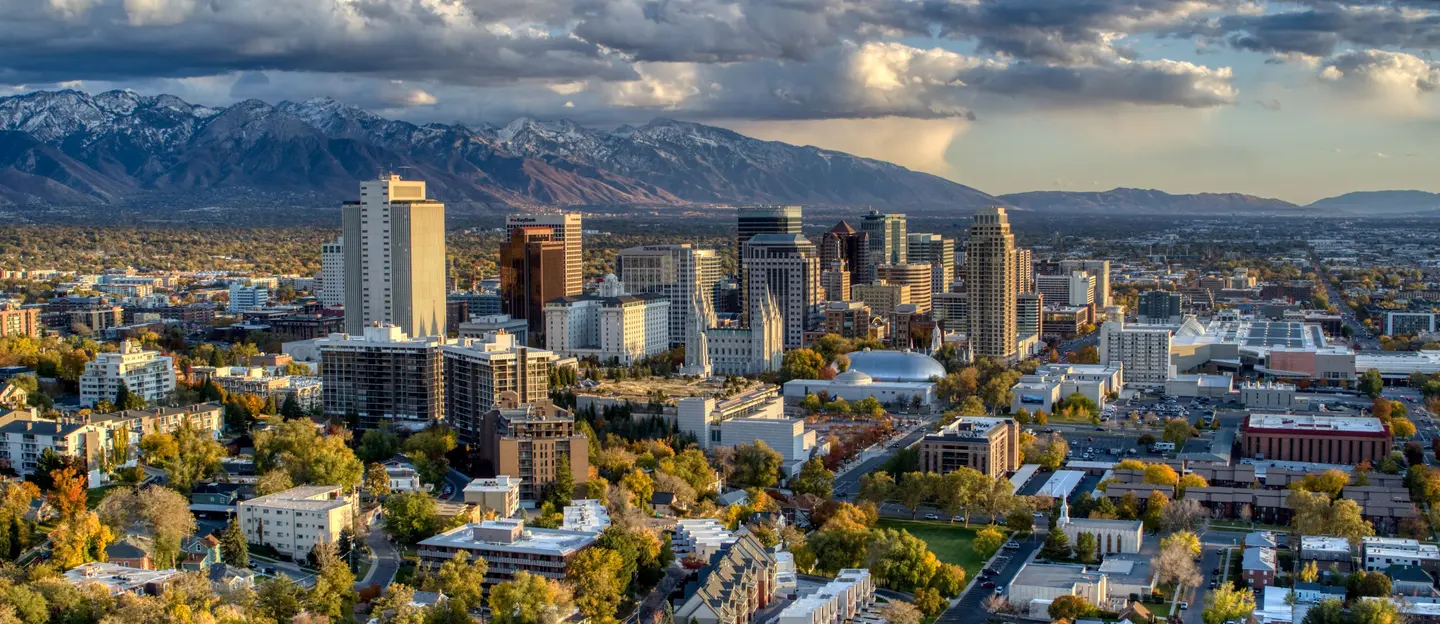
Salt Lake City continues to enforce its Idle Free Ordinance to combat persistent air pollution in the Salt Lake Valley, a measure designed to reduce vehicle exhaust emissions that account for more than 50% of Utah's air pollution during a typical winter day.
Legislative Origins and Purpose
The ordinance, which prohibits unnecessary vehicle idling for more than two minutes within city limits, was first established in the fall of 2011. At that time, the Salt Lake City Council unanimously approved a proposal from then-Mayor Ralph Becker to implement the city's first Idle Free Ordinance to address public health concerns.
Public Health and Environmental Drivers
The City of Salt Lake City identifies poor air quality as a significant public health concern for residents of the Salt Lake Valley. Due to the region's specific geography, climate, and a growing population, air pollution remains a persistent problem. According to city officials, these pollution levels contribute to respiratory issues including asthma, emphysema, and lung cancer, while also impacting the overall quality of life for residents.
Enforcement and Legal Updates
The ordinance is enforceable on both public property and private property that is open to the public, such as parking lots and drive-through windows. While the rules are strict, the City of Salt Lake City updated the ordinance in 2021 following changes to State Law. This update allows the city to issue one warning to drivers before any fines are levied.
Regulatory Exemptions
Several specific exemptions exist under the ordinance. Vehicles are permitted to idle while stopped for an official traffic control signal or device, or when directed by a police officer or air traffic controller. Additionally, idling is permitted for airport airside operations requirements.
Safety and Emergency Provisions
The ordinance also allows for idling when necessary for the health or safety of a driver or passenger, which includes service animals such as police K-9s. Furthermore, authorized emergency or law enforcement vehicles are permitted to idle as needed to operate their equipment.
Maintenance and Heavy Duty Exceptions
Specific technical exemptions are also provided for vehicle maintenance and specialized equipment. Idling is permitted for the repair, maintenance, or inspection of a vehicle. It is also allowed for the period recommended by a manufacturer for the efficient operation of turbocharged heavy-duty vehicles, such as building air pressure in air brake systems.
Auxiliary Equipment Rules
Finally, the ordinance allows for idling when necessary to operate auxiliary equipment for which a vehicle was primarily designed or equipped. This includes items such as refrigeration units, lifts, cranes, pumps, drills, hoists, or ready-mixed equipment, though the ordinance specifically excludes the use of idling for heaters or air conditioners.