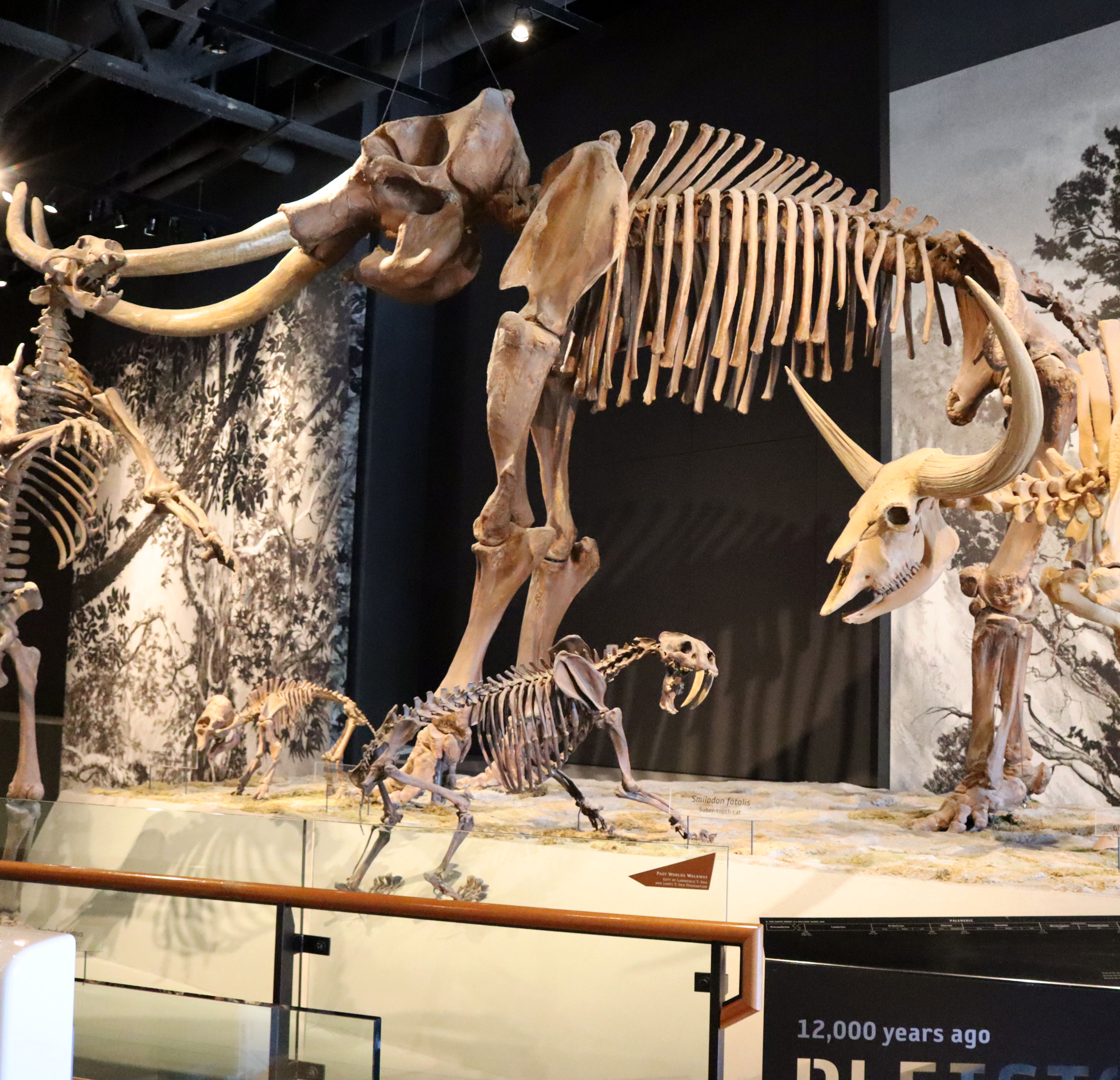
Mammoths roamed Utah more than 10,000 years ago during the last Ice Age. Paleontologists have discovered their bones at various locations across the state, with some remains being so well-preserved that they contained fragments of DNA.
The species belonged to populations that ranged across Eurasia and North America. The last mammoths on Siberia's Wrangel Island succumbed to extinction approximately 4,000 years ago. Experts have debated the causes of these extinctions for over a century, considering whether human impacts, climate change, or a combination of both were responsible.
Some researchers suggest that human hunters may explain the extinction patterns, noting that extinctions appeared to follow the path of humans migrating out of Africa. Other experts point to a warming and drying climate that changed ecosystems. Tyler Faith, the Museum Curator of Anthropology, noted that advancements in analyzing ancient DNA allow researchers to track how populations changed over time and how climate change affected them. Faith has been involved in studying a stone point that contained mammoth protein, indicating the tool was used for hunting.
Large animals like mammoths and elephants have significant effects on their ecosystems through their diet, movement, and waste production. Faith stated that the removal of these ecosystem influencers can lead to rapid habitat changes. He noted that while researchers have long focused on the causes of extinctions, there is growing interest in understanding the consequences of such losses.