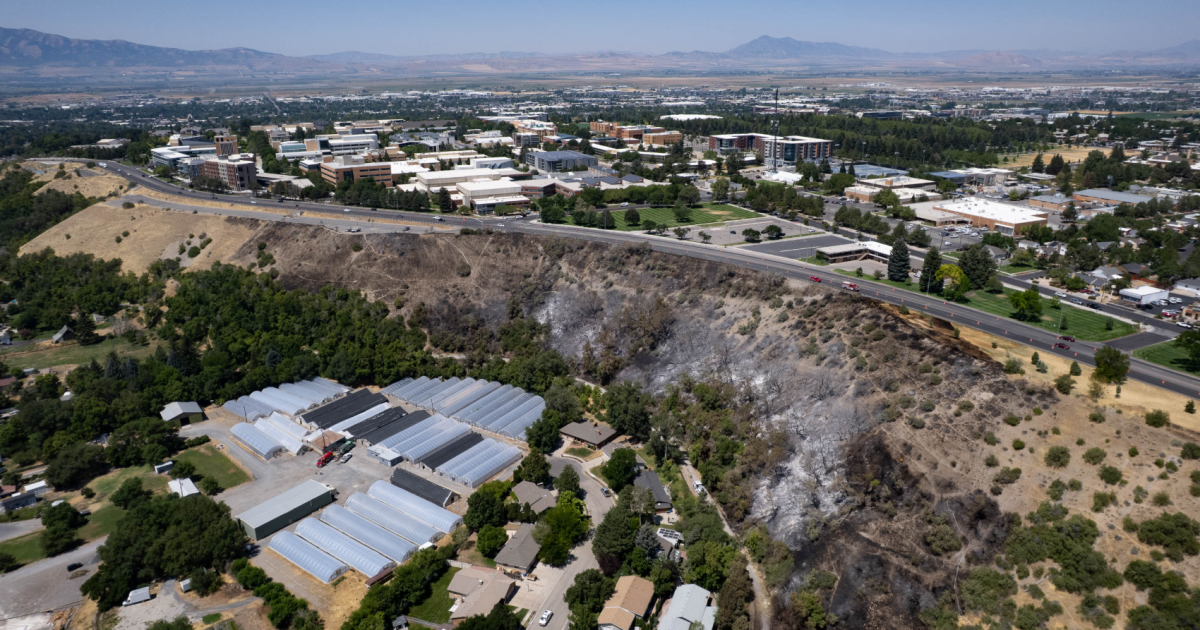
The July 31 Canyon Road Fire in Logan was caused by the spontaneous combustion of a Utah State University compost pile, according to state fire officials. The blaze, which occurred on July 31, prompted local evacuations and resulted in the destruction of vehicles and damage to a home.
Investigation Findings
Investigators determined the fire originated from the organic matter within a university compost pile, according to Brandon Stirland, Utah State University's fire marshal. The incident occurred during a period of high heat and dry conditions, which officials say can trigger chemical reactions in organic materials.
The Science of Combustion
Kelly Wickens, a spokesperson for the Utah Division of Forestry, Fire and State Lands, explained that organic material can generate significant heat. In environments characterized by very dry conditions and high temperatures, this heat can lead to a chemical reaction that results in spontaneous combustion.
Common Ignition Risks
Wickens noted that spontaneous combustion is a relatively rare phenomenon that many people are unfamiliar with. Beyond compost piles, other materials liable to ignite under specific conditions include wet hay bales, bunched-up oily rags, and piles of charcoal or coal.
University Response
In response to the July 31 incident, Utah State University spokesperson Amanda DeRito stated that the university is conducting a comprehensive review of its wood chip and composting operations across campus. The university aims to implement best management practices to minimize the risk of similar incidents in the future.
Prevention Strategies
To prevent similar spontaneous combustion events, Wickens recommended several safety precautions for managing organic and combustible materials. These include laying oily rags flat to dry them completely, monitoring haystacks for excessive heat, turning compost piles regularly, and allowing charcoal to cool completely before disposal.
Environmental Factors
The Canyon Road Fire, which struck Logan's east side, highlights the risks posed by dry environmental conditions. While typical wildfire causes often include lightning strikes, discarded cigarette butts, or glowing embers from campers, this specific blaze was triggered by internal chemical heat within organic matter.
Looking Forward
The investigation into the Canyon Road Fire concludes that the university's composting operations were the source of the ignition. As the university continues its review of campus-wide composting and wood chip management, state officials continue to emphasize the importance of monitoring organic materials during dry seasons.