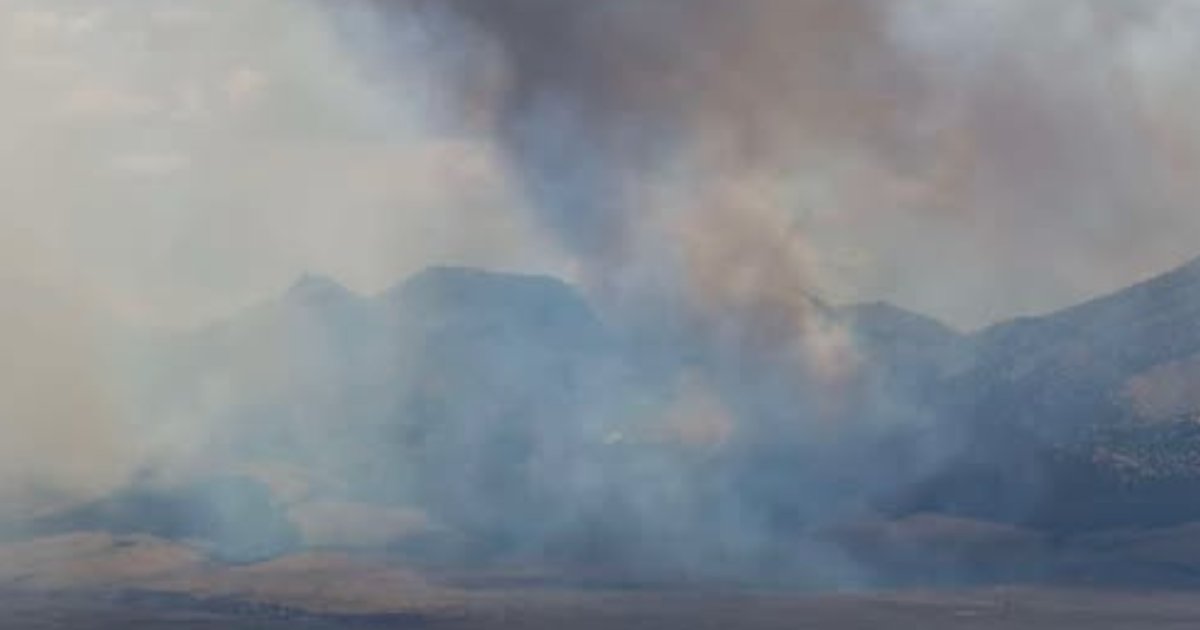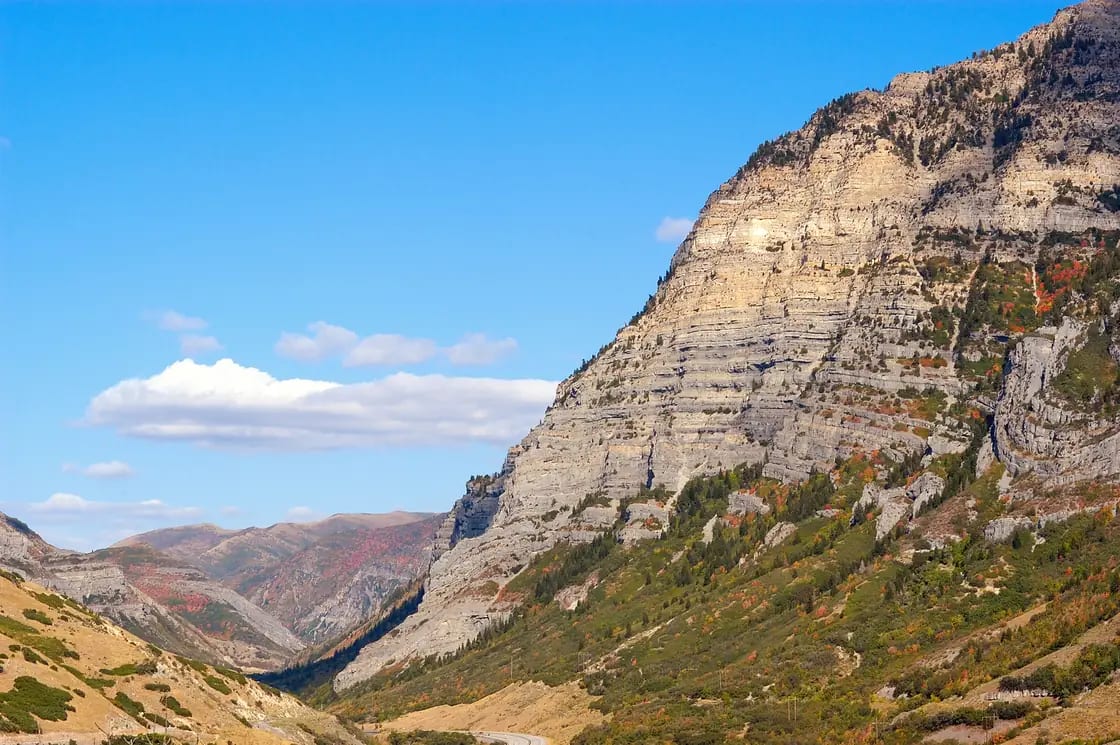
The Provo City Council vote to decide on the Vesper Amphitheater rezone, originally scheduled for July 14, has been delayed until August. The council has now listed the item for its meeting on Tuesday, August 11, 2026, at 5:30 p.m. in the City Council chambers.
While the timeline has shifted, new information has surfaced regarding the scale of the land deal involving Provo City and the specific requirements outlined in a draft development agreement for the proposed 20,000-seat venue at the mouth of Provo Canyon.
The project involves a development footprint of approximately 100.7 acres. While 26.2 acres are owned by the Provo Canyon Mining Company, roughly 74.5 acres would be purchased from Provo City. This places the city in the dual role of land-use authority and property seller.
Mayor Marsha Judkins stated that her influence lies within the development agreement and real estate contract rather than the vote itself. Regarding the land price, the mayor recalled seeing an appraisal of approximately $1.3 million, though the final sale price remains unconfirmed as Provo denied a public records request from KUER for related documents.
The draft development agreement includes several requirements for Vesper, such as placing at least half of the undeveloped property into a conservation easement, allowing public use of trails, and obtaining UDOT approval for a traffic management plan. The agreement also calls for noise-mitigating technology, dark-sky-compliant lighting to the extent reasonably possible, and a cap of 75 rooms for any hotel on site.
The City Council holds the power of final disapproval, as the agreement includes a provision allowing them to rescind the rezone if Vesper fails to meet requirements. A successful rezone does not guarantee project approval, as the plan must still pass through the Planning Commission and secure necessary technical studies and UDOT sign-off.
Public opposition remains significant, with a petition against the project surpassing 5,000 signatures due to concerns over traffic, noise, and loss of open space. Conversely, supporters argue the venue would improve the existing disturbed industrial site.