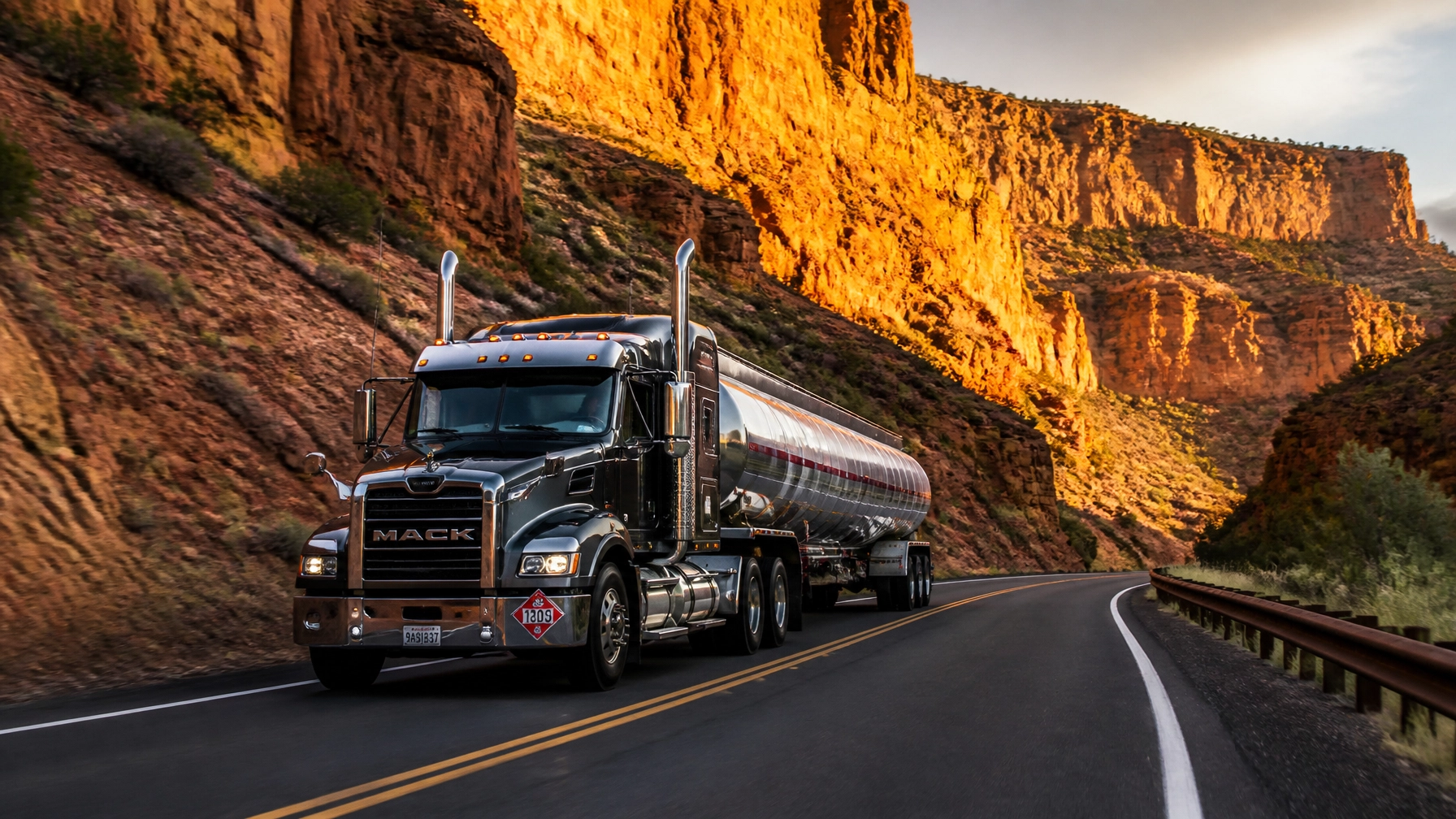
The Bureau of Land Management approved the Wells Draw Road Amendment for the Gate Canyon project in eastern Utah on April 28, 2026. This decision facilitates a transportation upgrade in Duchesne County by allowing for the paving of 5.3 miles of County Road 32 to accommodate large oil tankers.
The approval aims to improve the movement of crude oil from the Uinta Basin to downstream markets. According to the BLM, the corridor could support up to 1,000 vehicles per day and is specifically designed to allow 70-foot oil tankers to utilize the route.
The project serves as a strategic effort to address transportation constraints within the Uinta Basin. Proponents suggest that upgrading the road segment helps reduce bottlenecks and creates more predictable flow for operators by improving physical links between basin production and refining systems.
However, the project has become a point of contention due to its proximity to Nine Mile Canyon. Preservation advocates expressed concerns that increased industrial traffic, noise, dust, and vibration could negatively impact the archaeological importance and cultural resources found in the area, such as rock art.
Legal challenges have emerged following the federal decision. The Southern Utah Wilderness Alliance and the Center for Biological Diversity filed notices of intent to sue, citing claims related to the Endangered Species Act.
The future of the project may depend on whether these legal challenges move into active litigation or lead to further federal review. The dispute highlights the ongoing tension between expanding energy transport infrastructure and protecting historically significant landscapes.